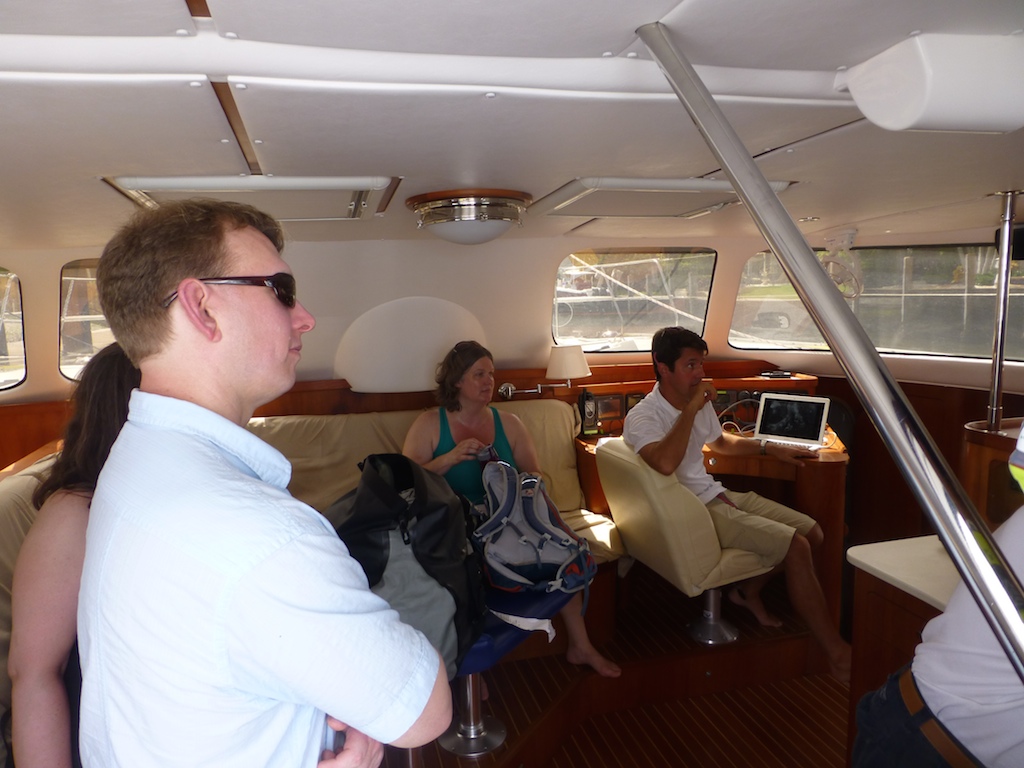
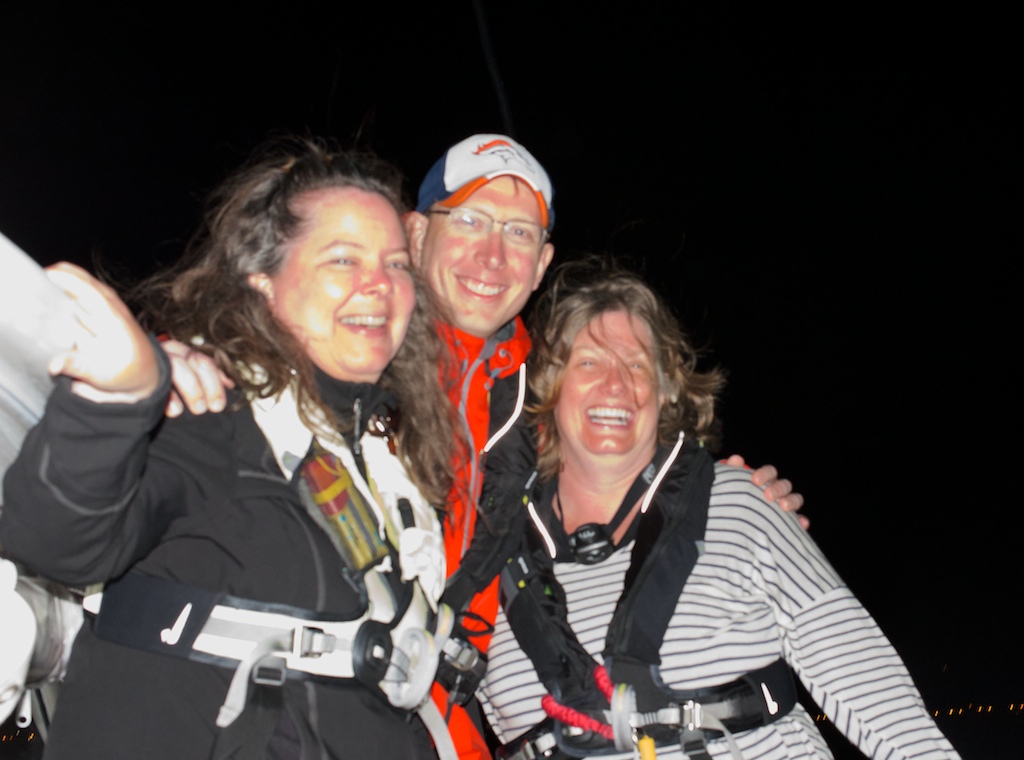
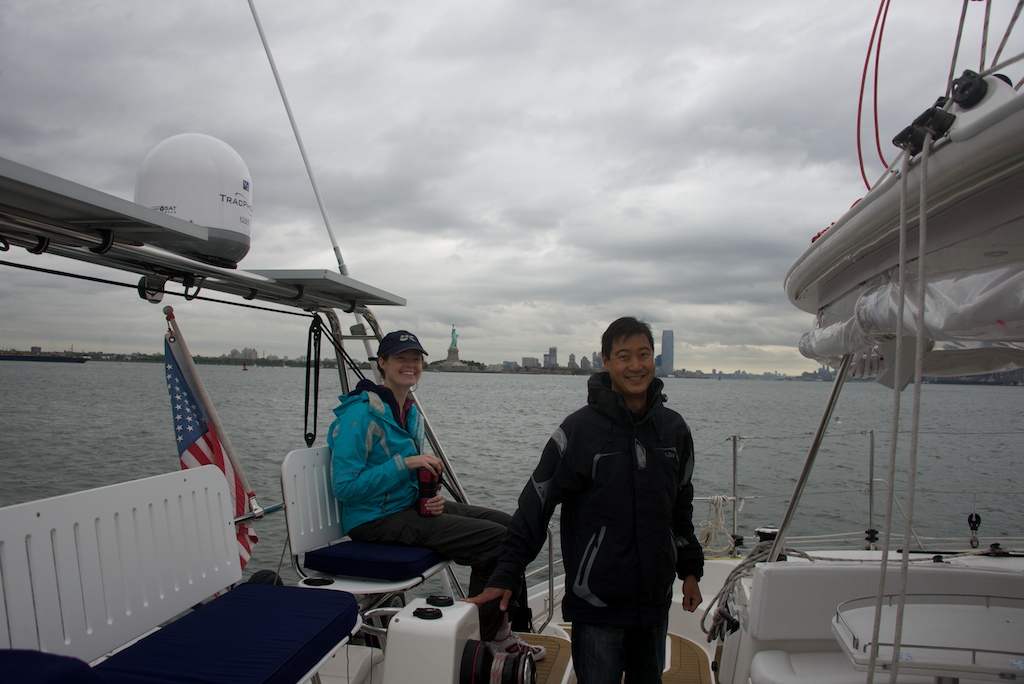
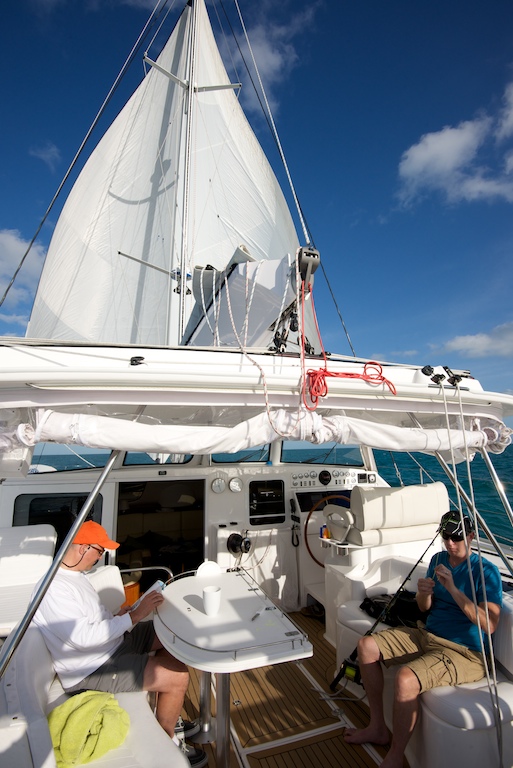
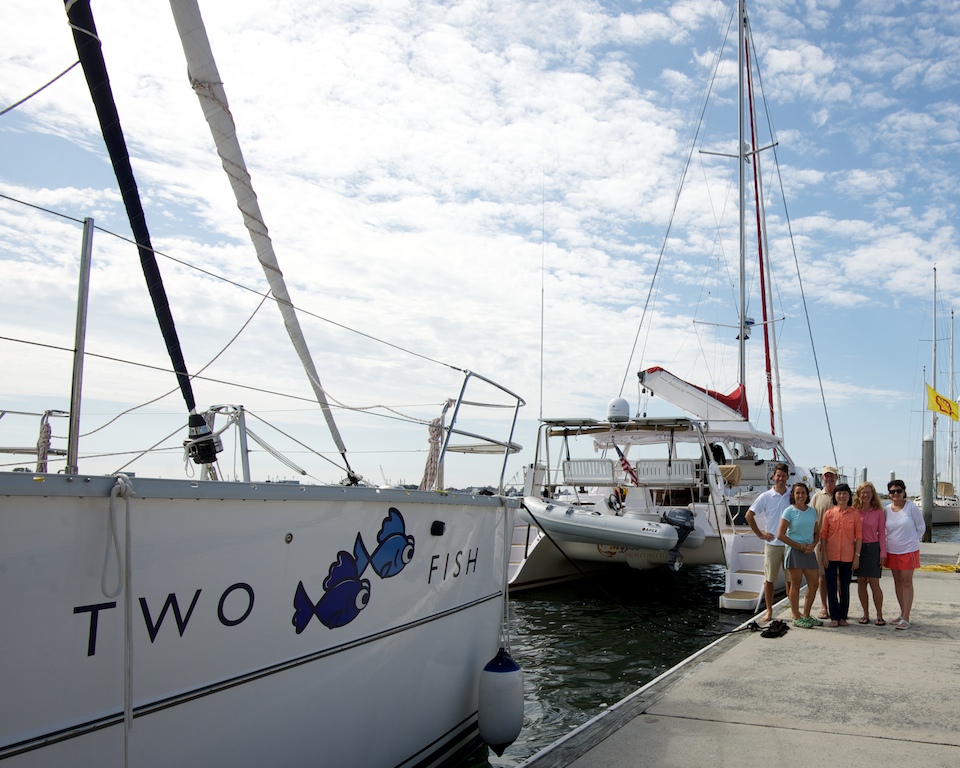
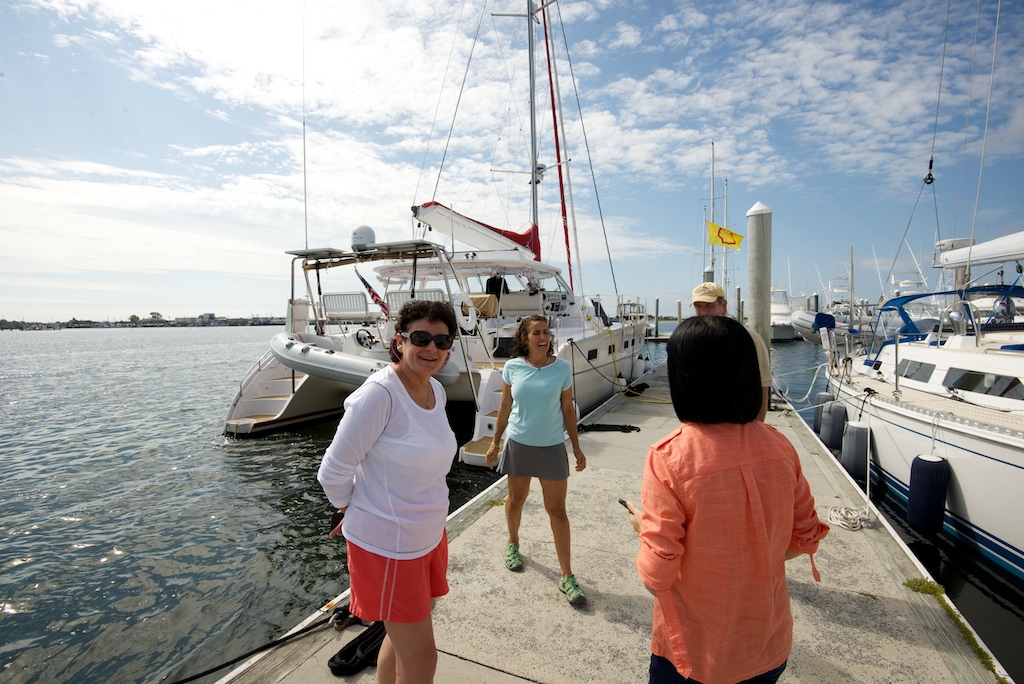
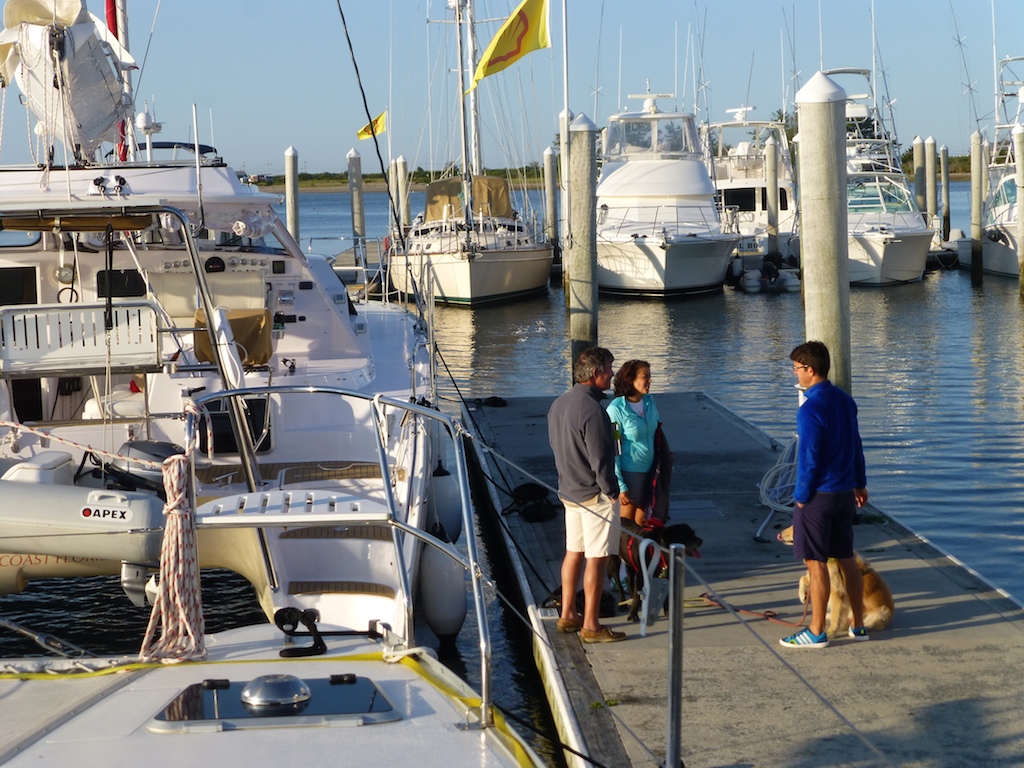
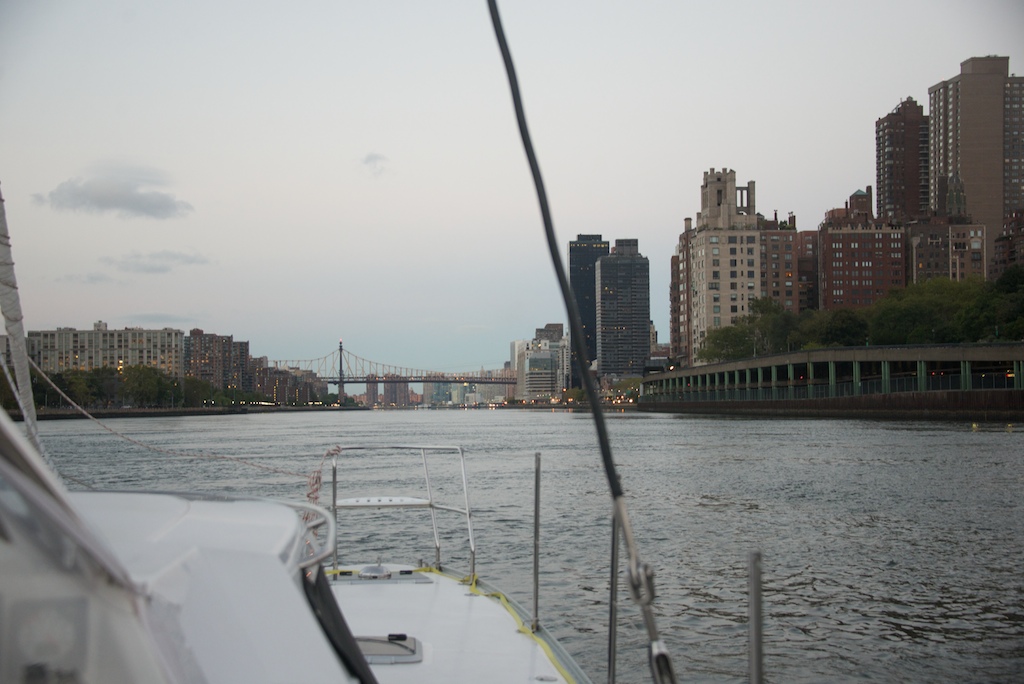
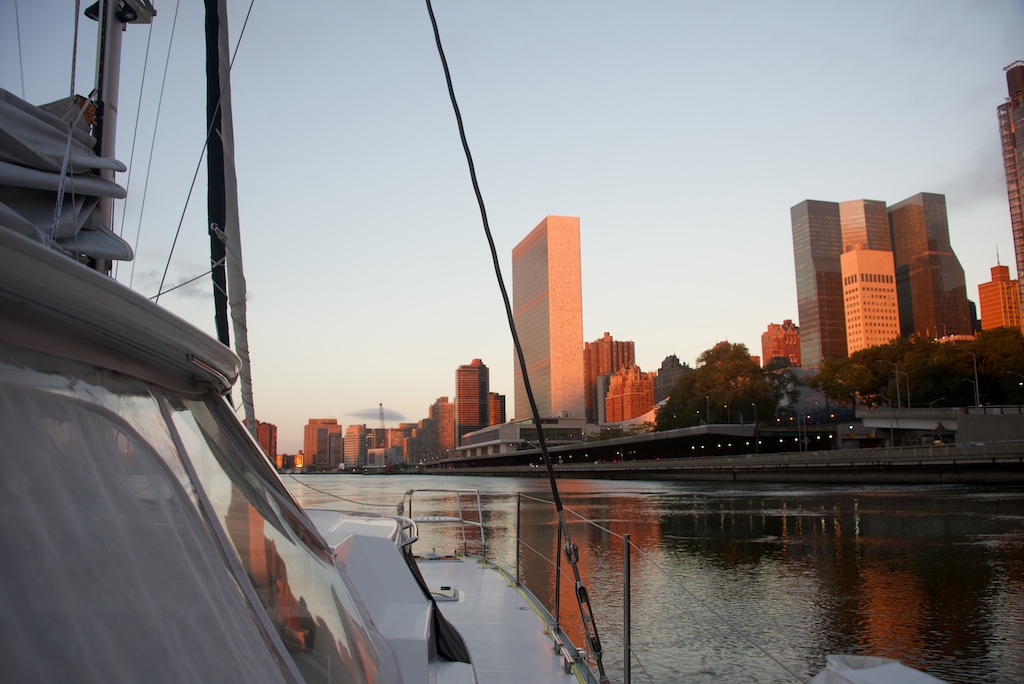
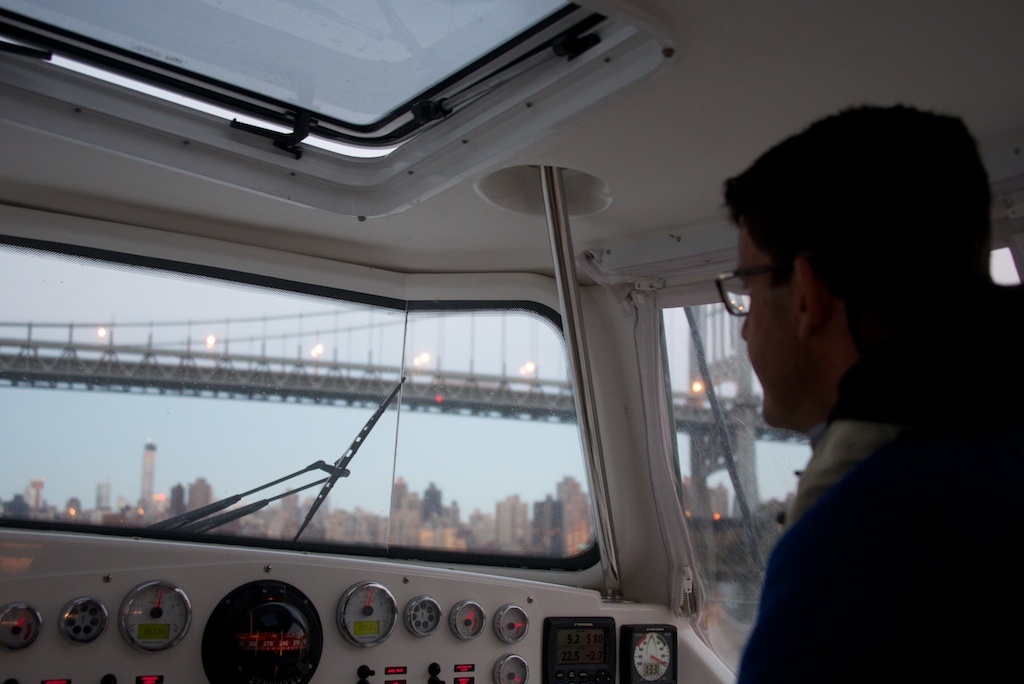
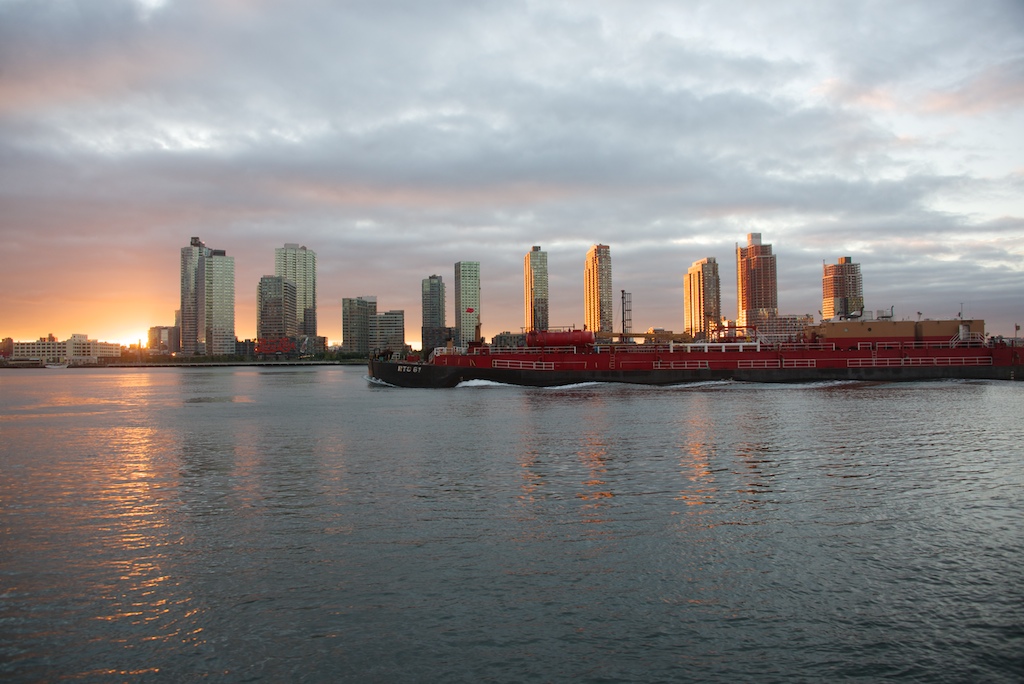
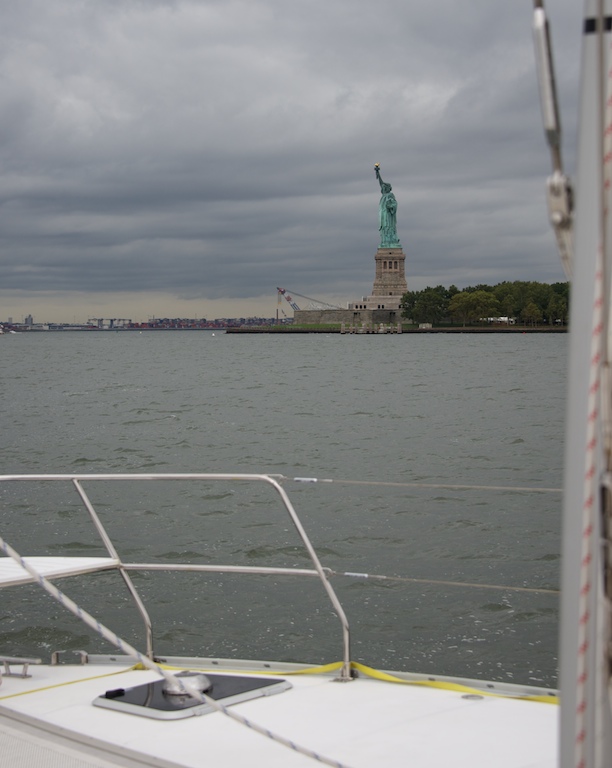
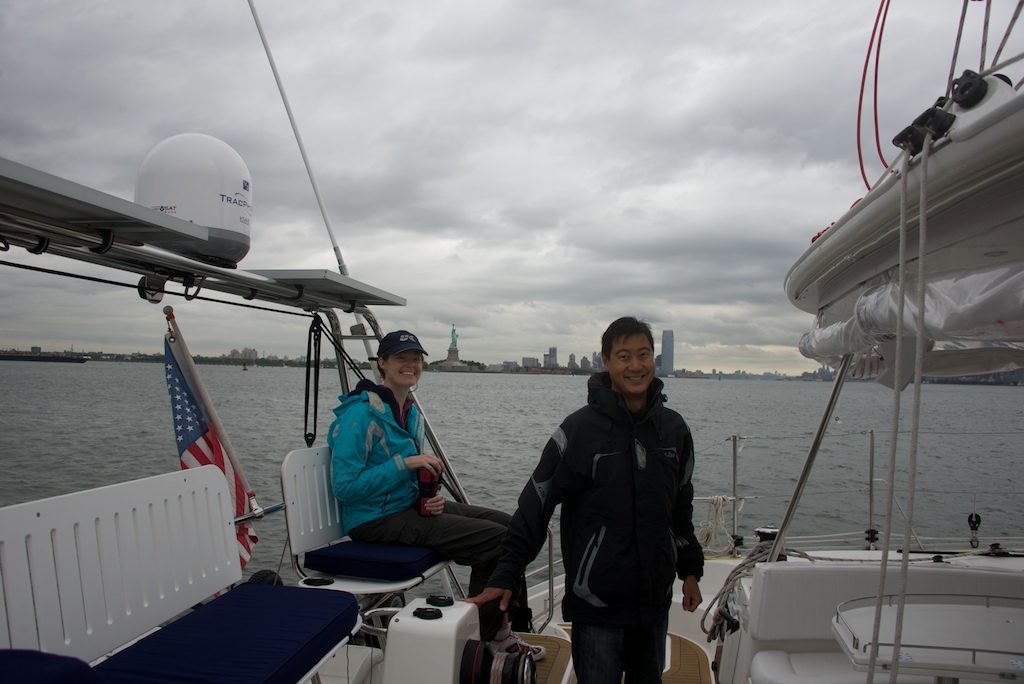
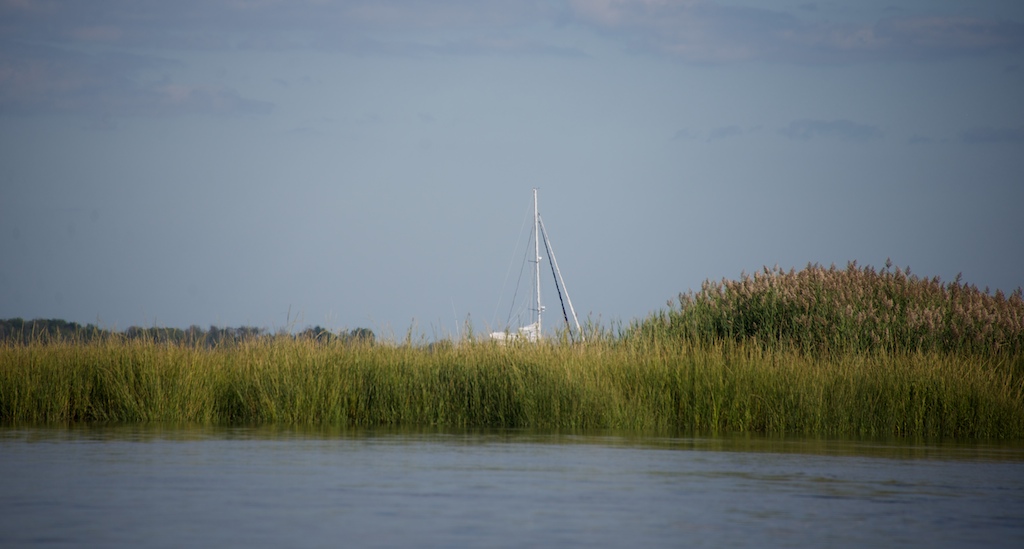
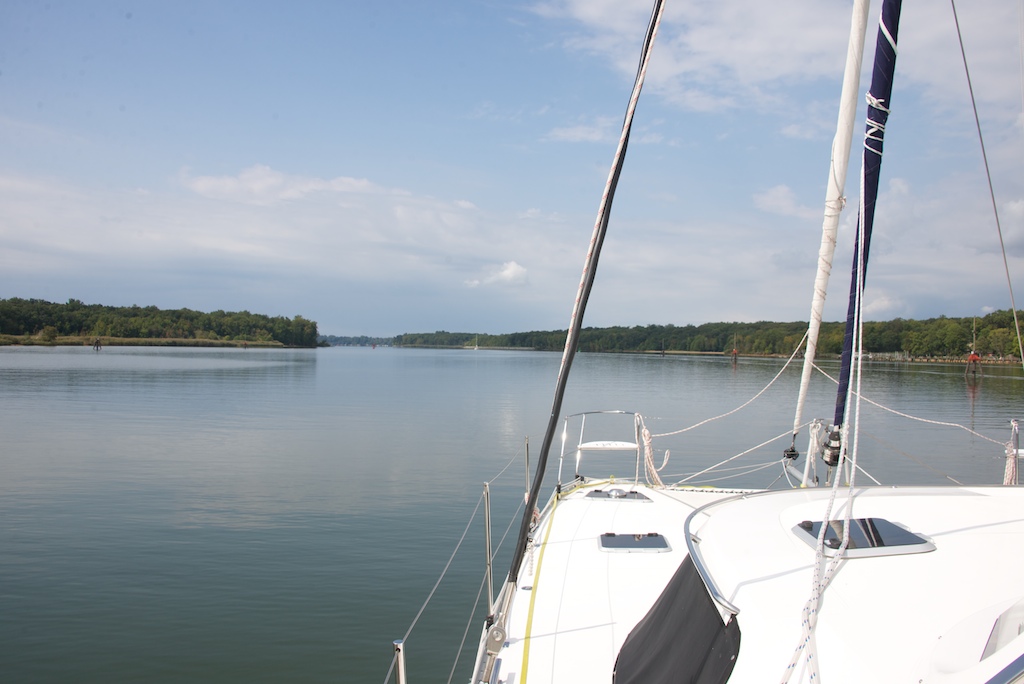
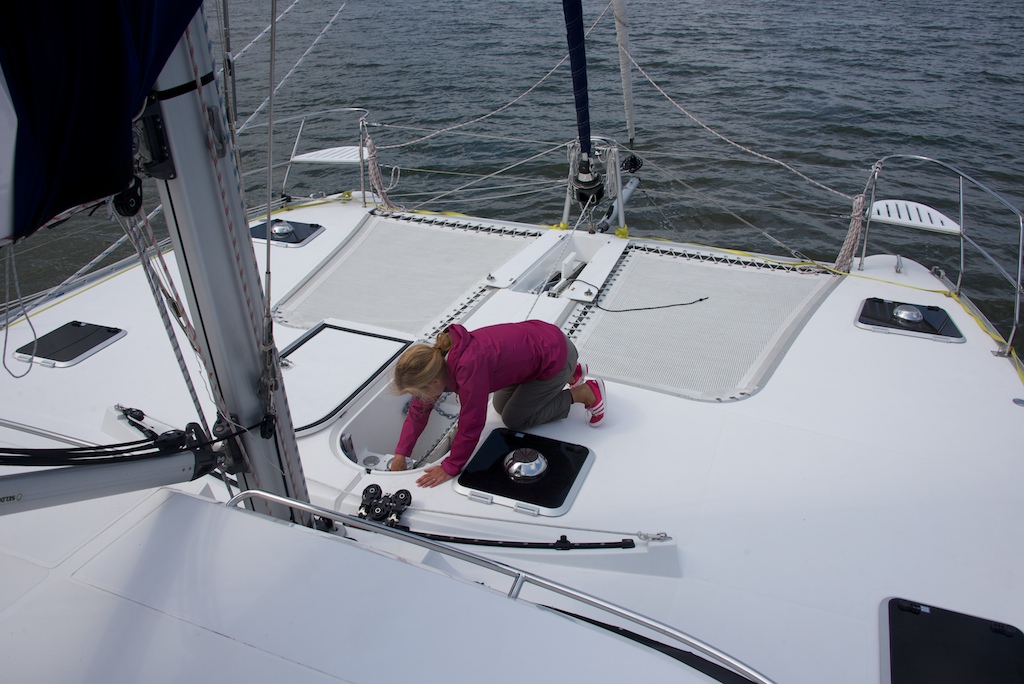
One Fish and Crew Motor Up the CT River

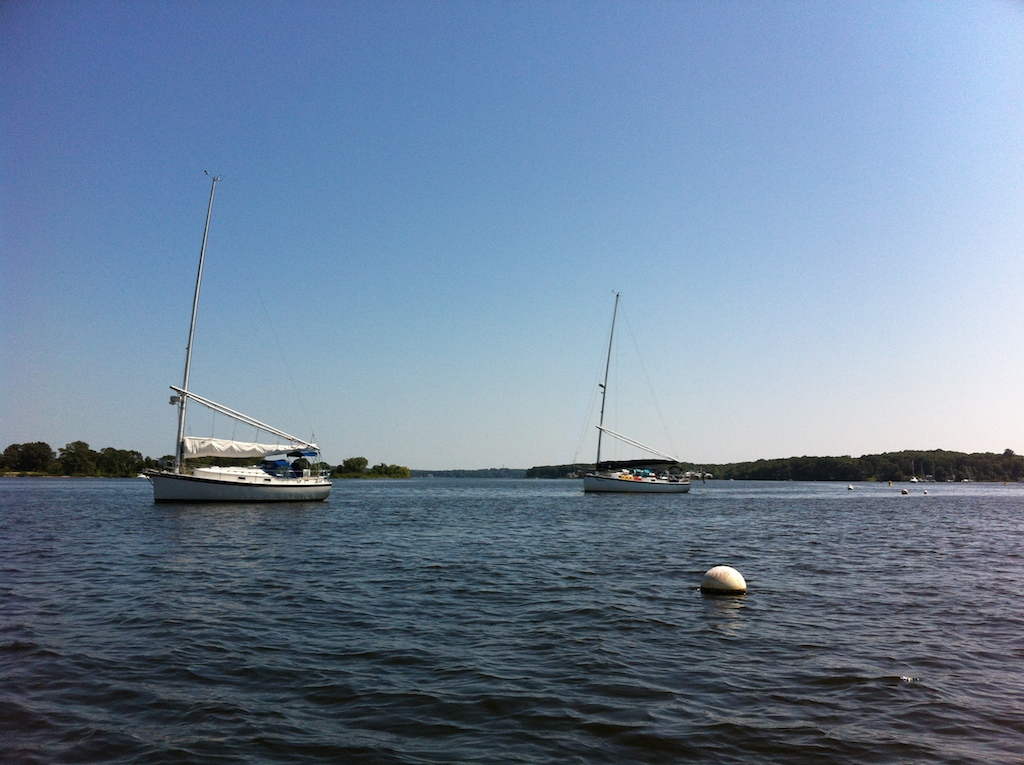
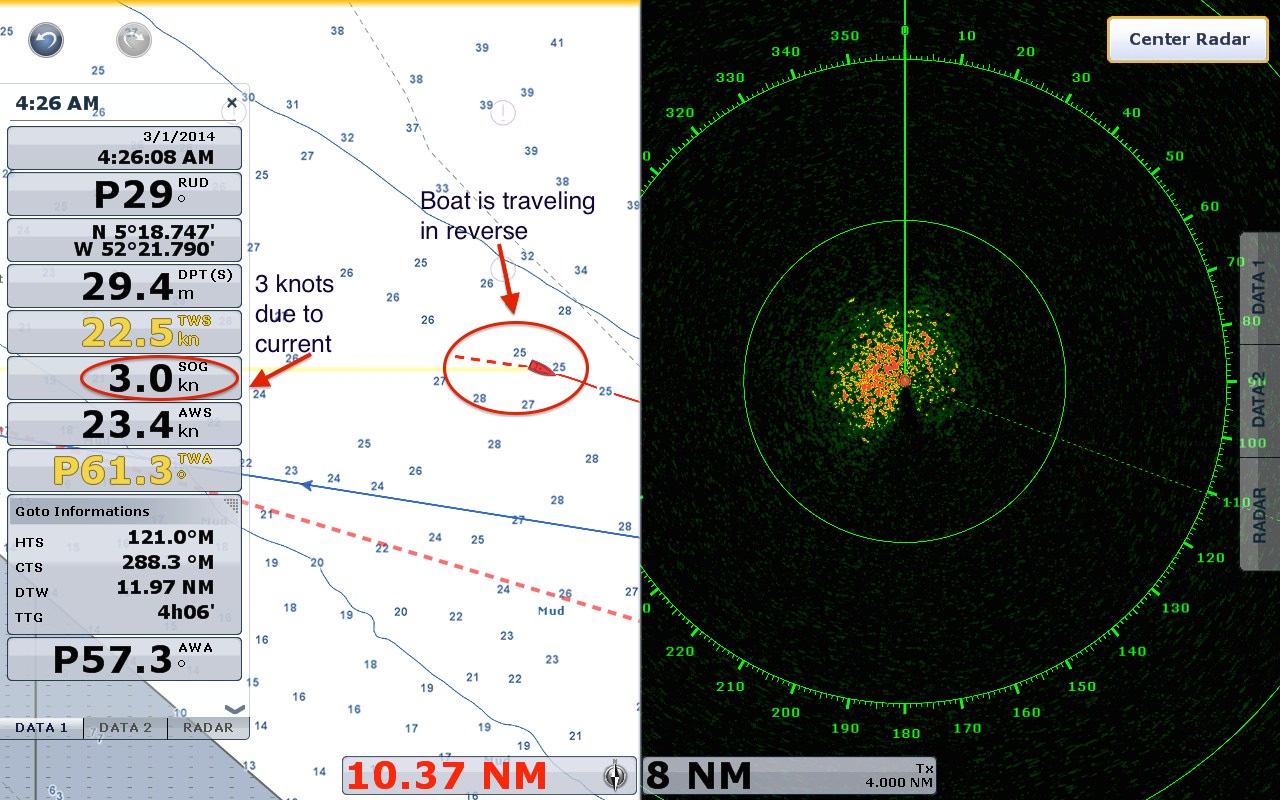
Two Fish is out of the water so we can fix our propellers.   A few days ago, we were in the middle of the mooring field when I realized that our engines could only run in reverse.  This was not my most relaxing moment, but we had a bit of luck and wiggled out of the mooring field using only reverse-sorry, no video.    We could see that the throttles were shifting the transmission, the shaft was rotating one direction in forward and the other in reverse, but the boat would only move in reverse, no matter which gear we were in.  We do not know for sure, but we think that the cause was the propellors not properly feathering.   To allow us to sail faster, our propellors twist to a low resistance position while sailing.   They also change orientation between forward and reverse.   This is very handy as it gives us more power in reverse.  If the prop gets frozen in reverse mode, then the boat becomes a beast to handle.   I will write a longer post on this when we have all of the facts.

Two Fish was hauled out of the water for further investigation.   The water in the Connecticut river is too brown and swift for good underwater work.   We hit a bit of bad luck when the boat was pulled out of the water.   The yard’s hoist operator managed to hook our propellor and damage the strut and shaft.   Our short visit on land became a bit longer.   “Let us make some lemon into lemonade.”  So Gail quickly arranged 1,000 things so our boat could get fixed.  Our friend Beth helped us buy a new strut.  The yard has taken responsibility and has been great as we added a few extra items (new bottom paint, clean topsides, check cutlass bearing etc…).   We have to wait 2 weeks for our strut so we have time for some fun.   We plan on exploring the Connecticut river and going back to NYC to prepare our apartment for a new, as yet unidentified, renter.

One Fish ready for a trip

One Fish ready for a trip

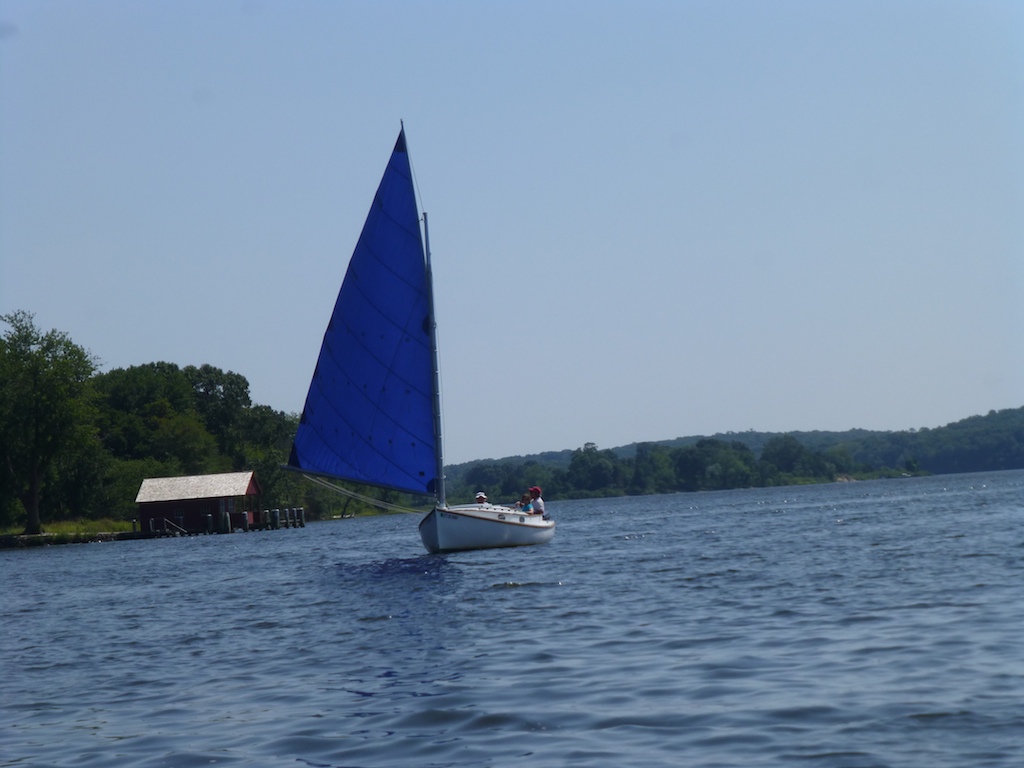
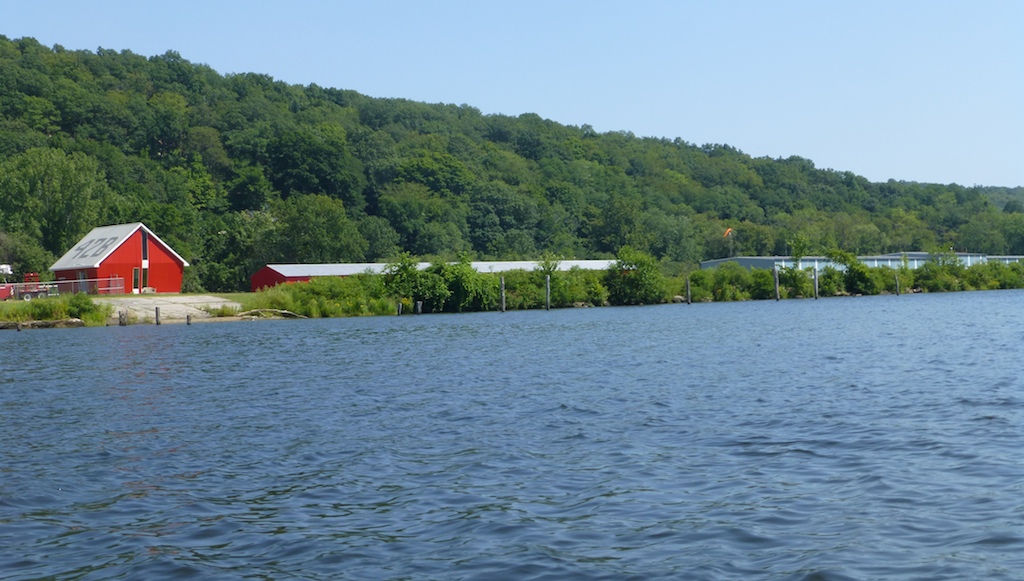
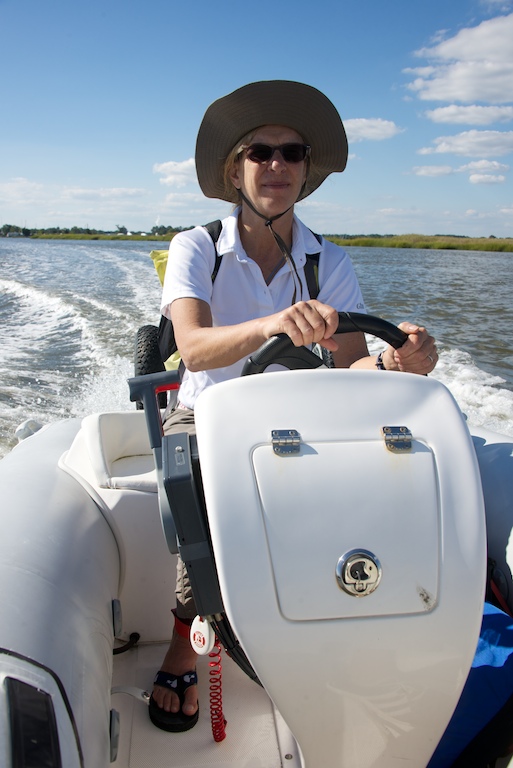
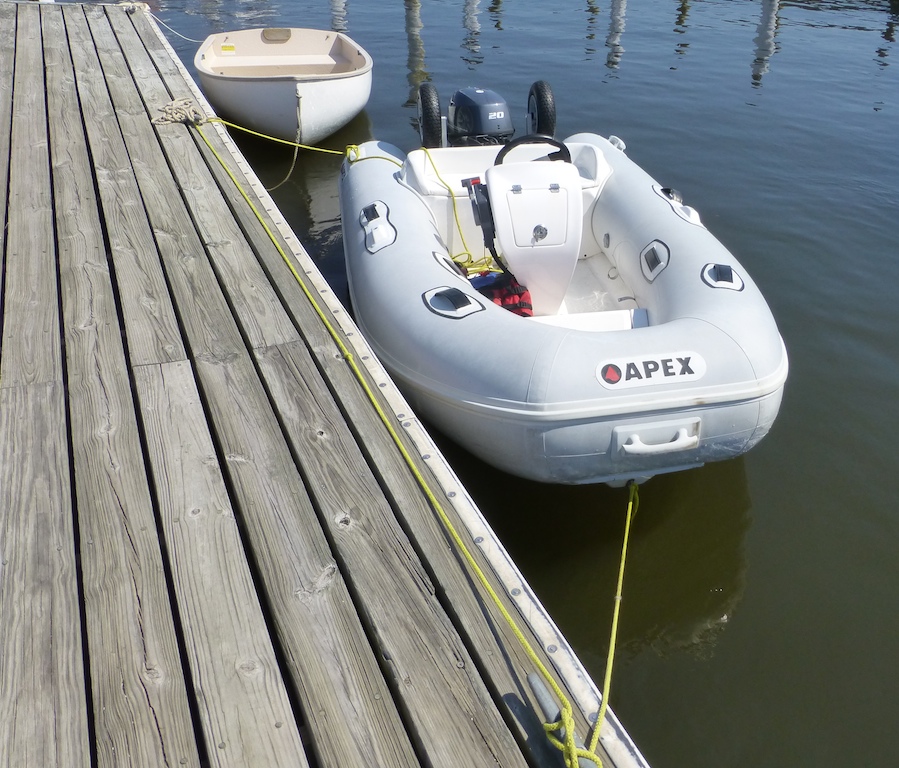
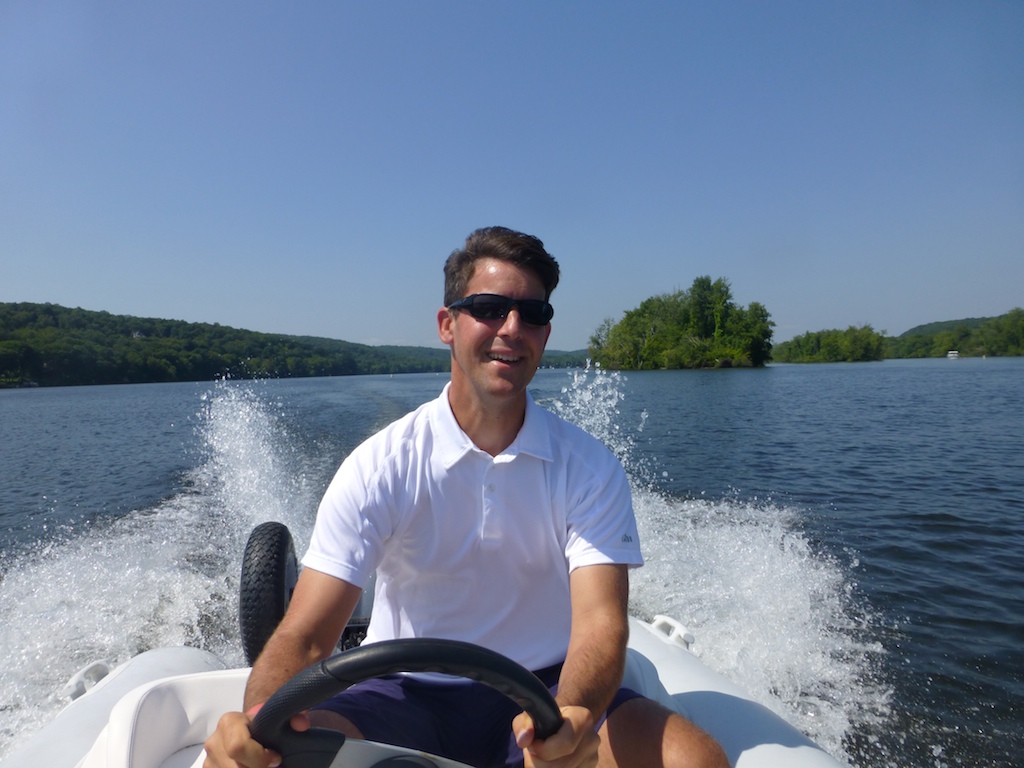
One Fish, our dinghy, was ready for a trip.  She has been idle recently since we have been in mooring fields and have ridden yacht club launches.  Makes coming home late at night (8pm) easier for the crew.   We have made some improvements and wanted to see how they performed.  We added a heavy duty fuel filter, installed wheels for beaching in the Caribbean, moved our fuel tank to the bow and did some general clean up.    The boat ran perfectly.   In flat water, under a helpful tide she reached a top speed of 20.7 knots.   You have to stay focused when you are at that speed-the next mark comes up quickly.   The removable wheels are prominent in the photos but do not impact travel while underway.

Max speed with twin rooster tails from wheels

Max speed with twin rooster tails from wheels

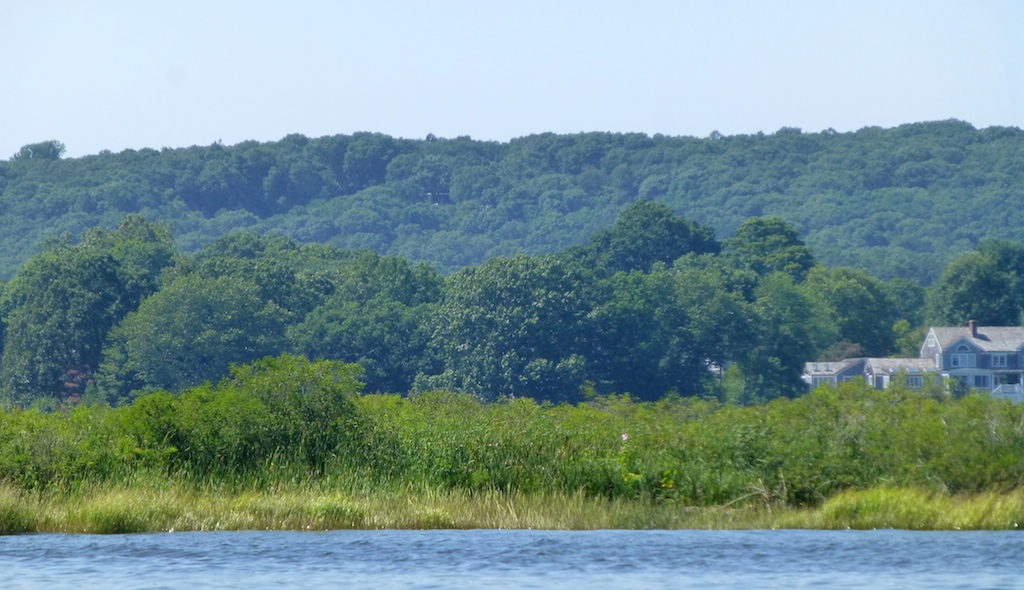
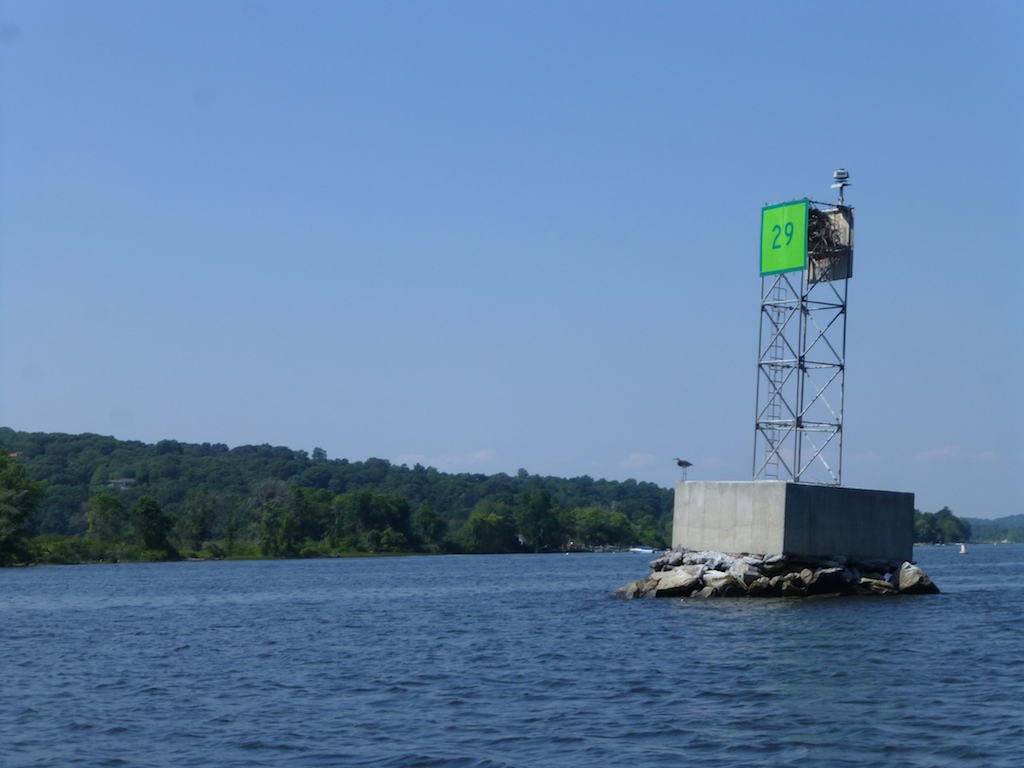
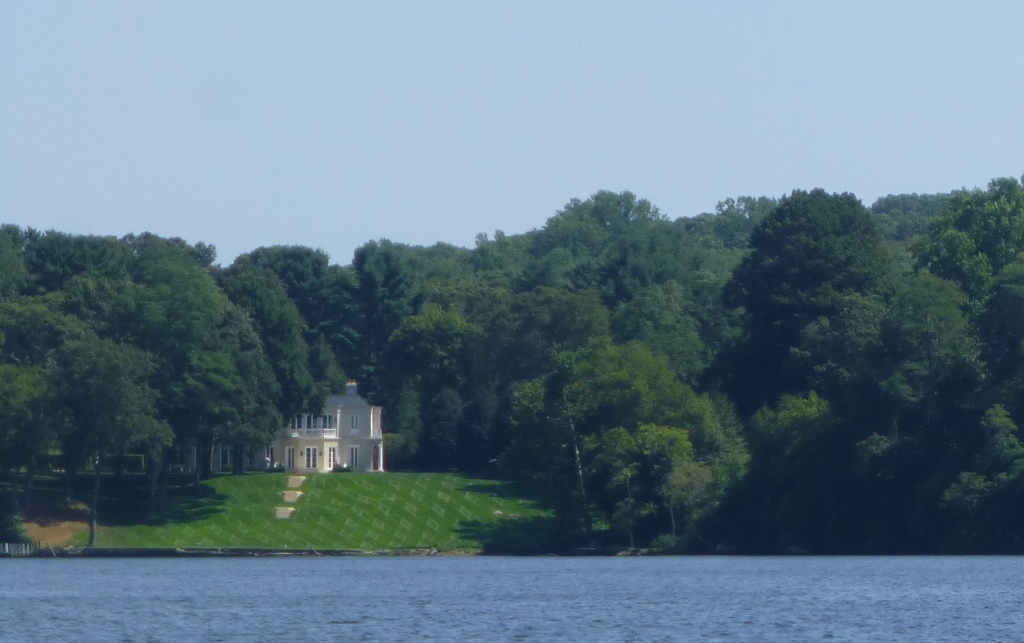
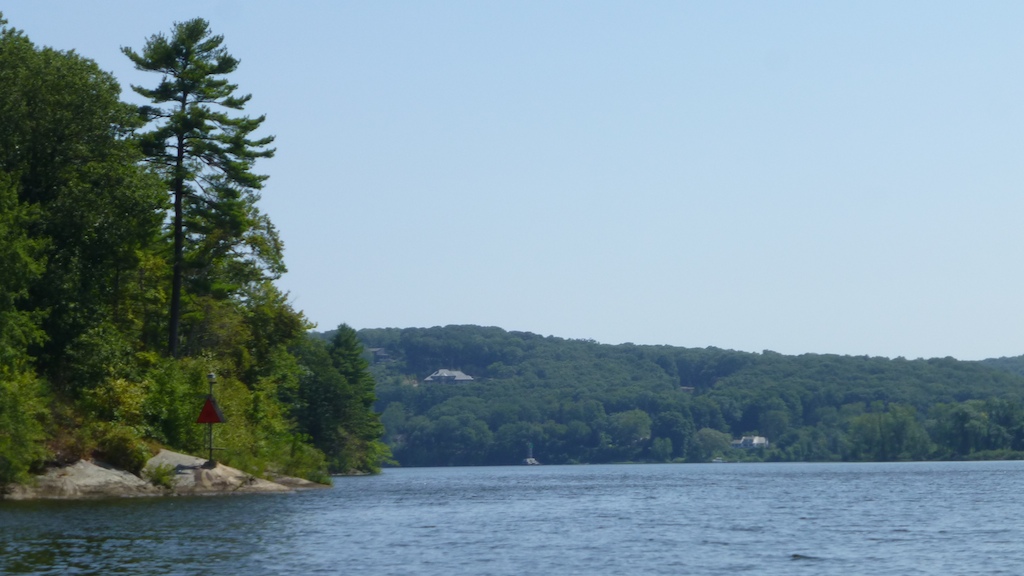
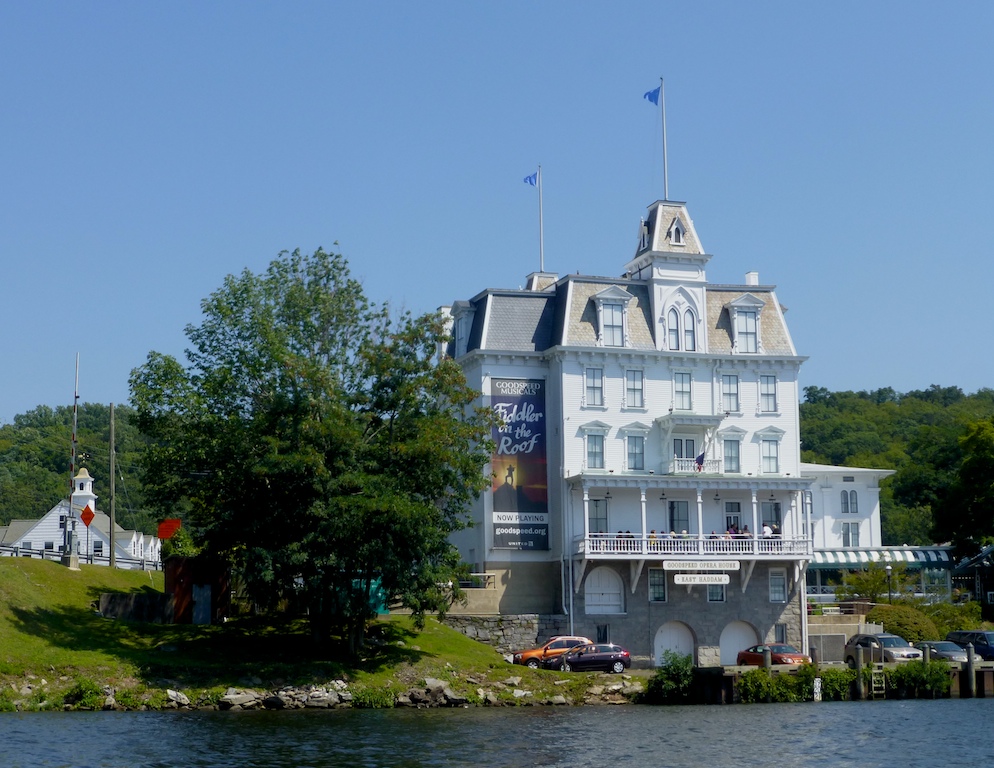
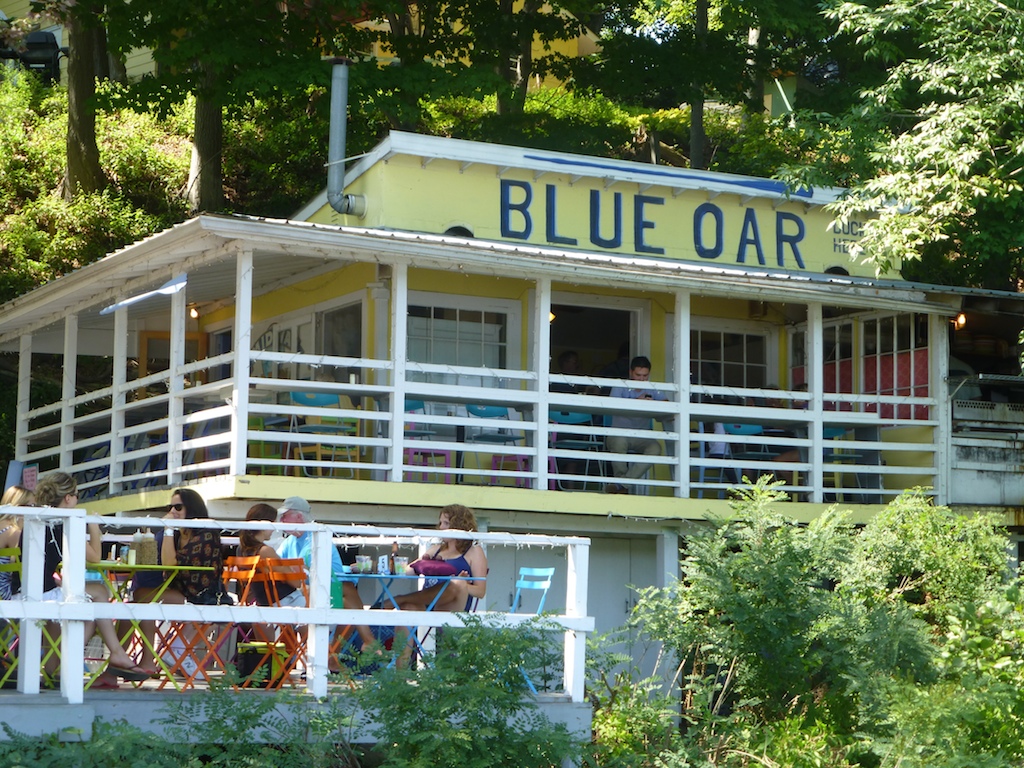
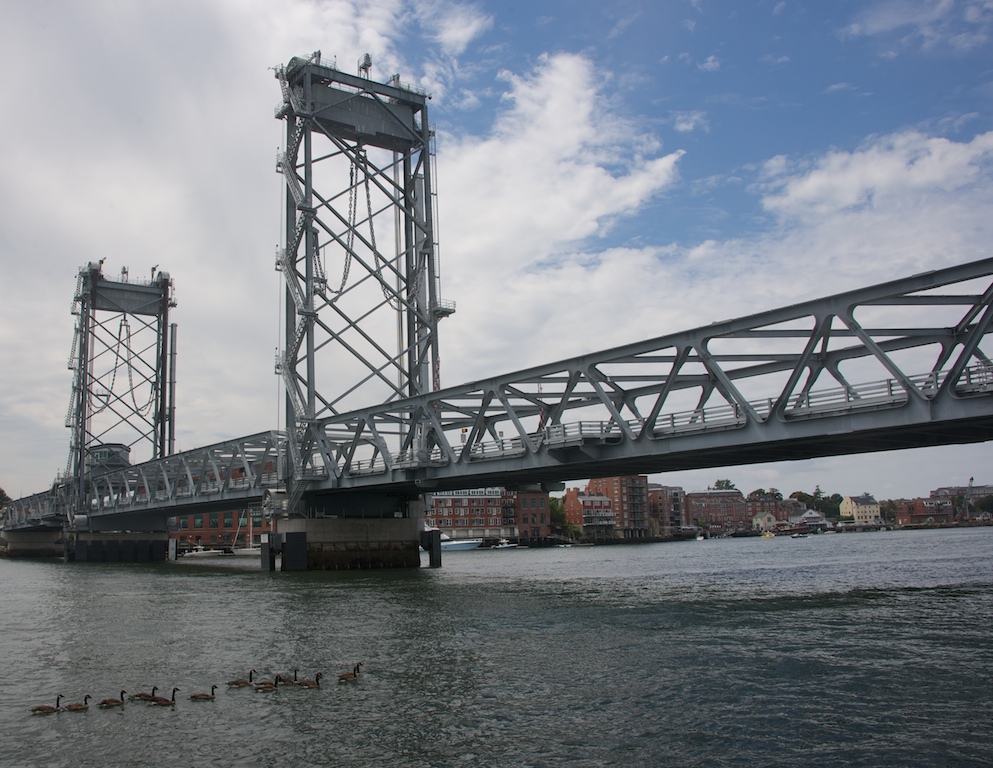
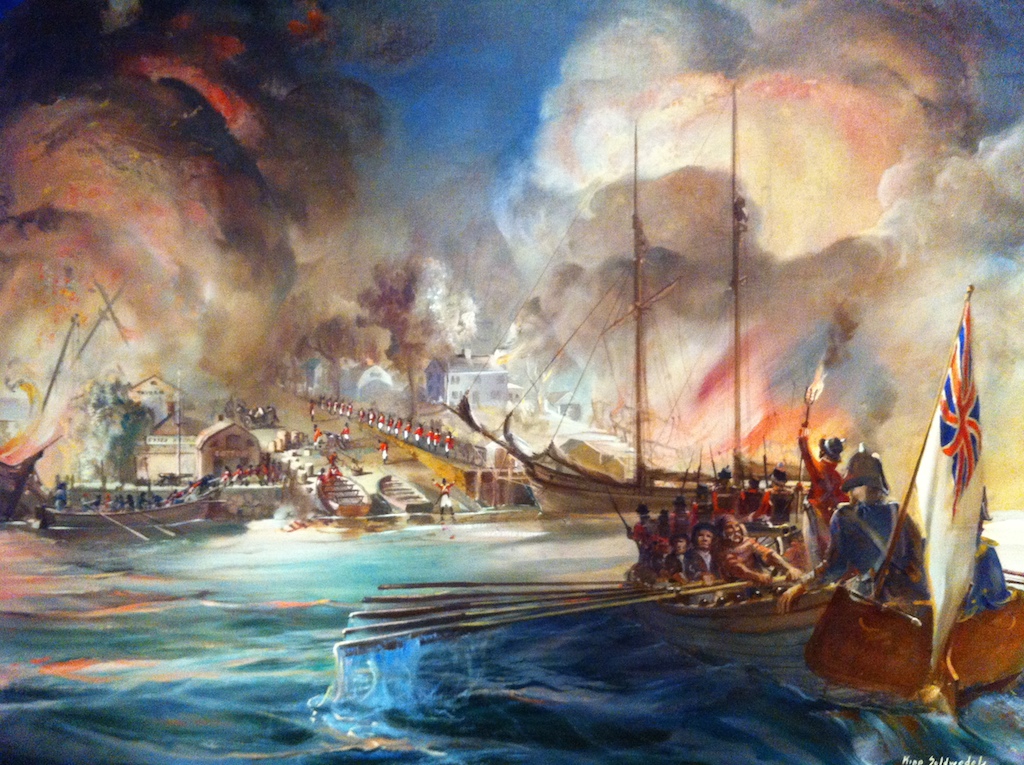
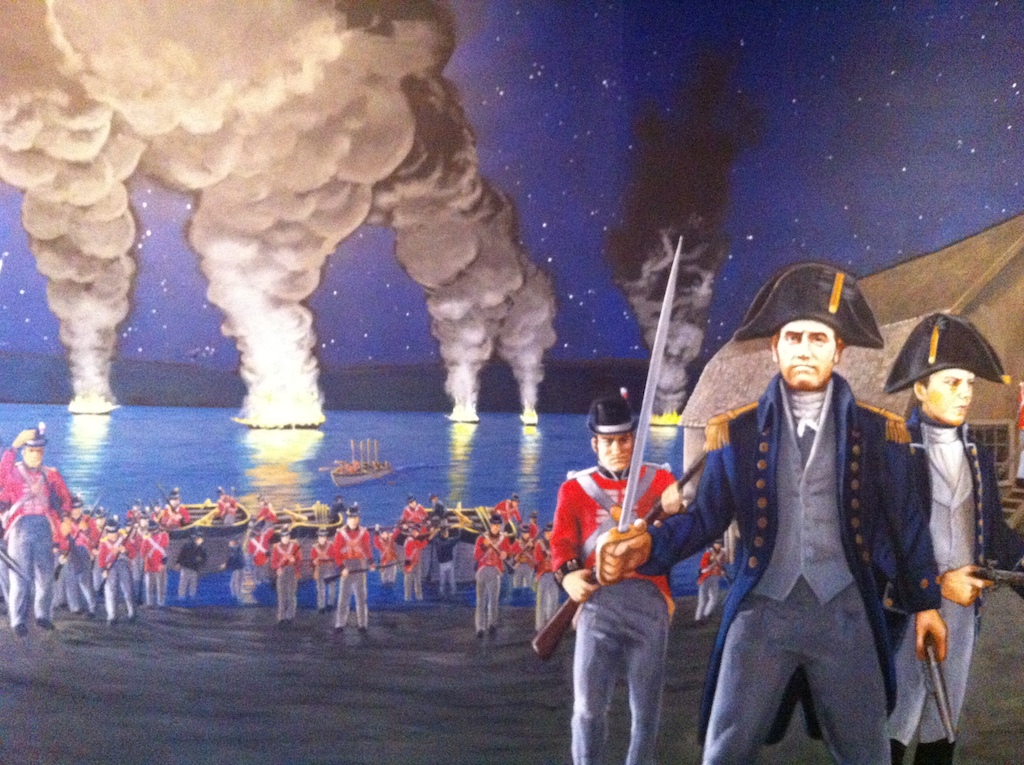
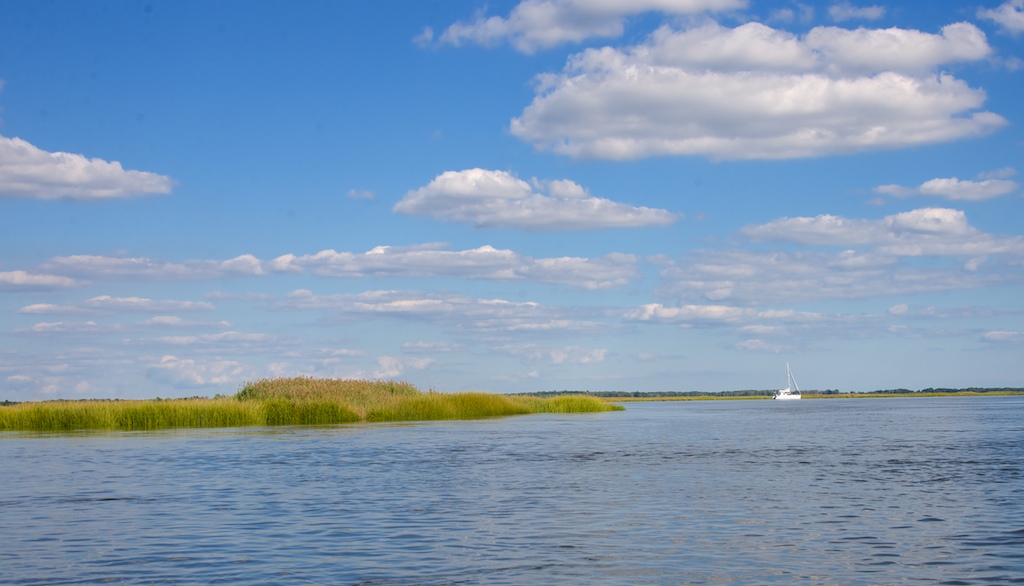
The river has a museum which taught us about the war of 1812, the industrial boom in the Connecticut River Valley, the steamships that plied the Long Island Sound and the 1970’s clean up of the river.  We spotted some of these features as we went upriver 10 miles to find lunch at the Blue Oar.   Not a bad place for a calm riverside meal.   Then we headed home at a good clip on mostly flat water.


Read full story  · Comments { 1 }

Tour of One Fish

Due to popular demand, I have given a tour of One Fish our Apex dinghy. She needed several after-market changes to get her up to standard.

1) Replaced useless oars with compact, telescoping, paddles

2) Added rear-facing U bolts for stronger tie-downs during passages and more secure towing.

3) Bought new fuel tank and installed in bow locker.  Required leading fuel line forward.

4) Installed limber holes in helm seat to allow for better flow of water to aft plug.

5) Installed fuel separator.

6)  Added dinghy wheels, Danard Marine, to the stern.

7)  Equipped dinghy with handheld GPS, running lights via suction cups, anchor, rode, security cable, jerry can, bilge pump, boarding ladder  and dinghy anchor.

One Fish, Apex dinghy powered by Yamaha from Two Fish on Vimeo.

Read full story  · Comments { 2 }

Lobsterman

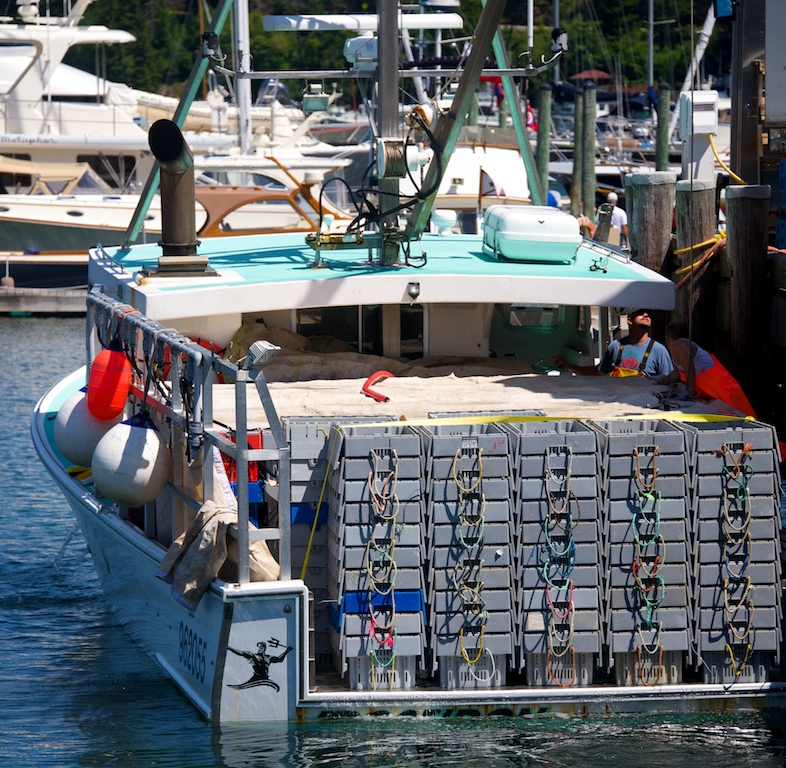
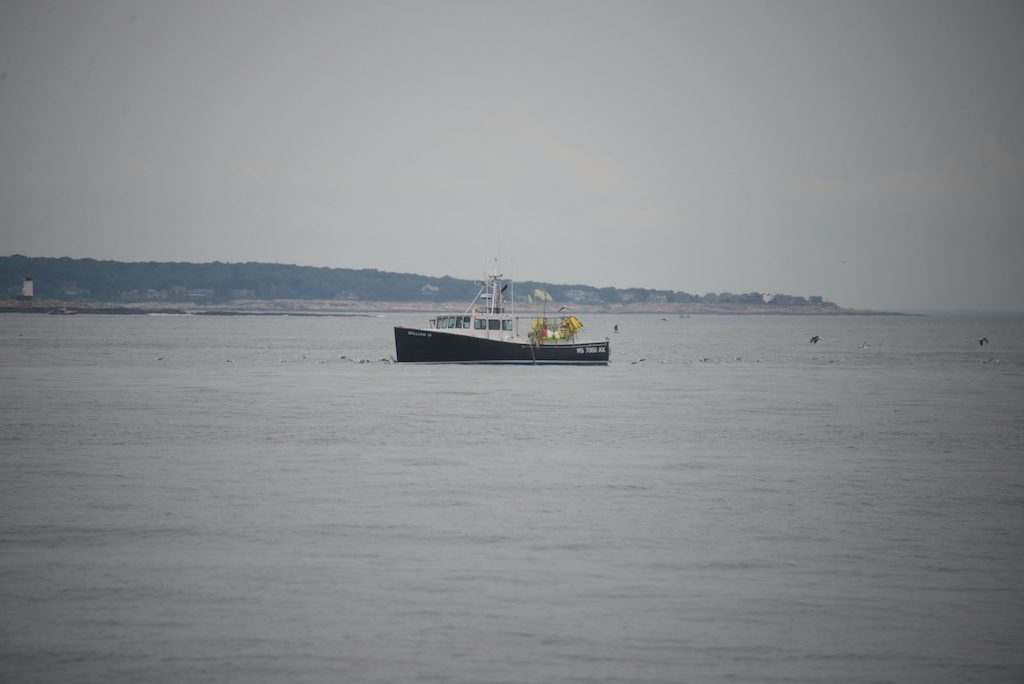
A large lobster fishing boat

A large lobster fishing boat


New England’s most Northern state could be a separate country.   Mainers are self-sufficient.   Maine lacks metropolitan centers and endless suburbia.   Instead, the state is dotted with small villages whose proximity is masked by the rocky coastline.  The  lobsterman was created by Maine’s landscape and history.  Lobsters flourish in Maine because of the ideal combination of a rocky bottom, cold water and forward thinking fisheries policies.   Fisheries rules require lobsters to be tossed back based on certain sizes and whether they are carrying eggs.   Lobster bodies are measured when caught and must be between 3.25 and 5 inches.   However, if you ask a lobsterman if a 10 pounder is tasty they may accidentally reveal they kept some above the size limit.

Lobsters have their claws banded after being caught to prevent cannibalism.   I suppose even lobsters know that lobsters are tasty.

Initially, Lobsters were not considered a delicacy and were only eaten by locals, not gourmands.  The first major advancement in expanding the transport of lobsters was a “well smack” that circulated  sea water into the tank holding the catch, keeping it fresh.    In the 1880’s, the canning of lobster became the primary output for the catch.  But by the 1950’s lobsters, were flying cross-country and Californians could eat real lobster instead of spiny lobster.

To get a license to fish for lobster, you need to do a two year apprenticeship.   Also,  you need to own a boat and traps and do the fishing yourself.   These rules prevents large corporations from buying a fleet of boats and hiring captains.  The maximum number of traps a lobsterman can work is 800.   After the apprenticeship, the aspiring lobsterman might have to wait years for a license as some regions require three lobsterman to retire before they issue each new license.

Lobster fishing encomasses a few steps:

1) Baiting the trap with crab, herring or something else stinky.  Note:  Do not moor to leeward of a lobsterman baiting his traps.

2) The bait is placed in the Head (first half of the lobster trap).   The lobster will enter the Head but is unable to back out so they proceed to the Parlor where they are trapped.   The Parlor also holds a brick to keep the trap on bottom of the sea.

3)  The Parlor has an escape hatch for small/young lobsters.   Lobstermen claim the escape hatch is to protect the youthful lobster but I see something more sinister.   They are trying to teach lobsters at a young age not to be fearful of the traps.   Then, when the lobster grows larger, he realizes the lessons of his youth were all wrong.

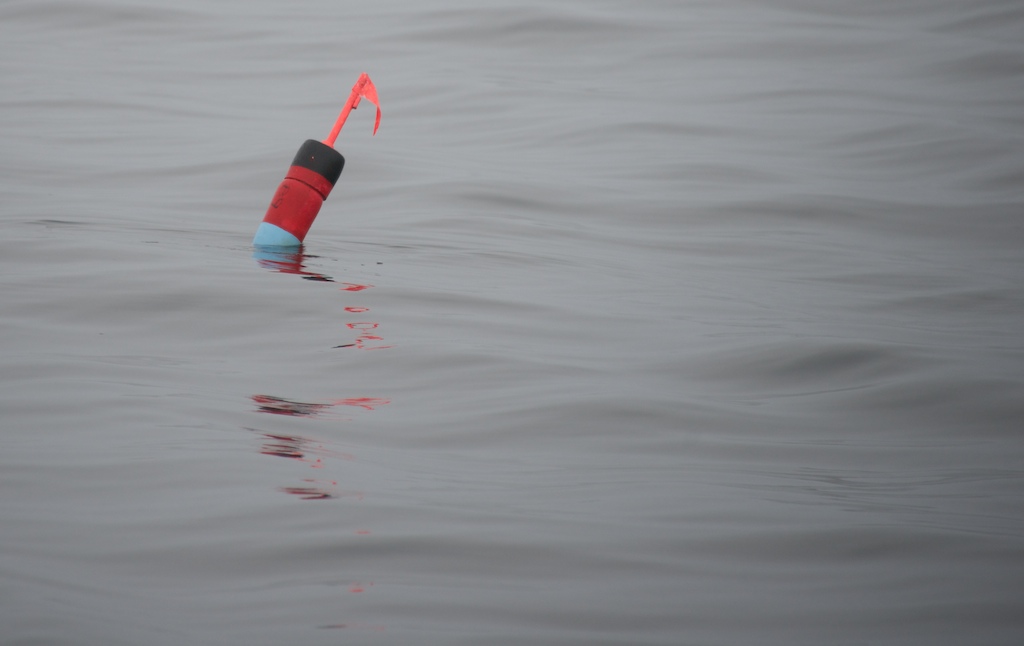
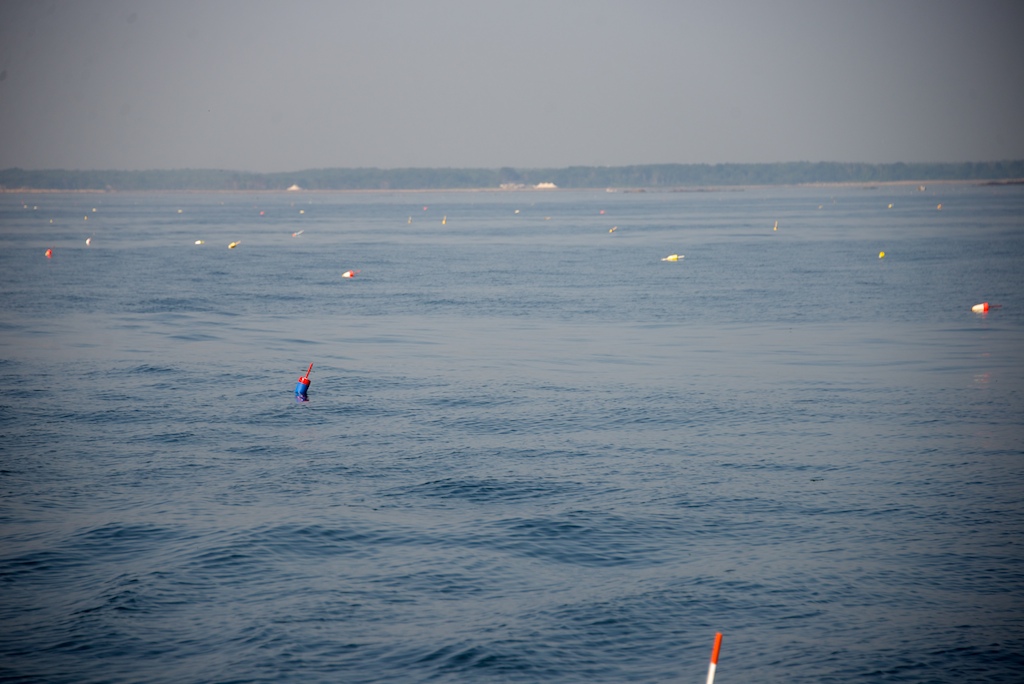
3)  The traps are laid and then, 48 hours later, the traps are picked up.  The traps are marked by a buoy with a unique coloring scheme associated with the lobsterman.   One to three traps are attached to each buoy.


Hope you enjoy E.B. White’s take on the Lobsterman. Also, if you would like to learn more about Maine’s history, Gail enjoyed reading The Lobster Coast: Rebels, Rusticators & the Struggle for a Forgotten Frontier, by Colin Woodard

Lobsterman by E.B. White from Two Fish on Vimeo.

Read full story  · Comments { 0 }

A Sailing Boat Gathers No Moss

Readers will remember that we started our trip close to 35 degrees South; Jason suggested that we challenge ourselves by sailing towards 44 degrees North.   No need to open your atlas, 44 North is Portland, Maine.  The plan became more concrete when we signed up for a Backroads bike trip which began in Portland and went on to Mount Desert Island and Casco Bay.

CAPE COD CANAL

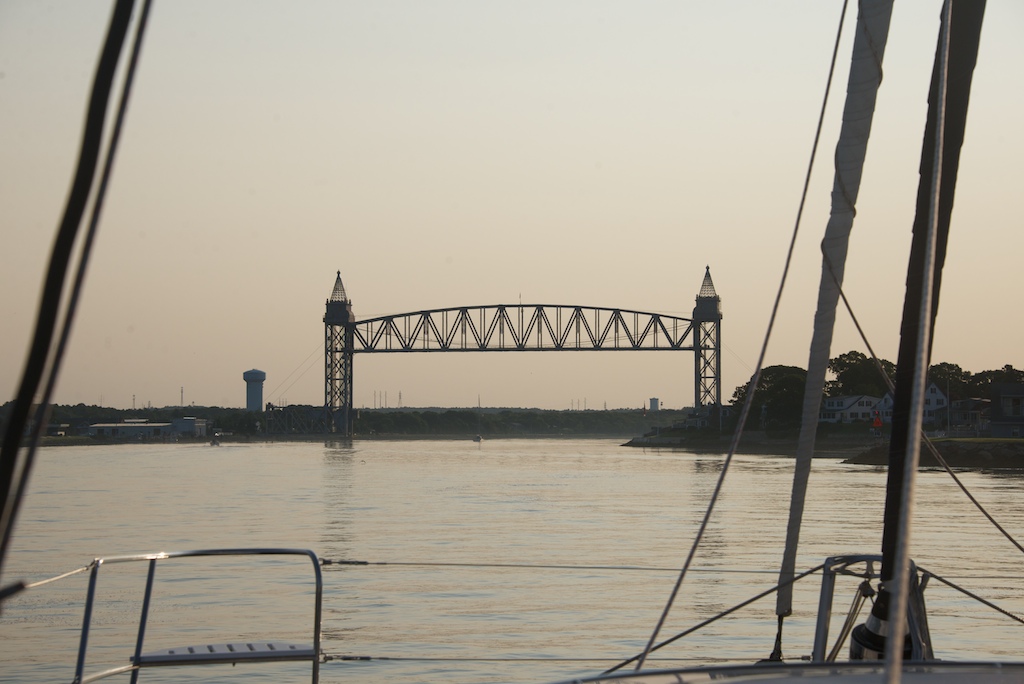
But to get to our bike trip on time, we still had a few miles to sail. Our next leg of 66 nm from Pocasset  to Beverley (Massachusetts) began with a transit of the Cape Cod Canal. Unfortunately, I can’t contribute any tips on the transit because after helping Jason spot the entry buoys, I went to sleep. In my defense, we had woken up before sunrise so as to catch the Easterly flood from Buzzards Bay to Cape Cod Bay.

[Jason’s canal tips:  1) Go with the tide, 2) Don’t go to close to shore or a fisherman’s casting will hook your boat, and, 3) Place a courtesy call to Canal Control to see if there are any large ships expected during your passage.  Also, ask if the railway bridge is raised – it is hard to see at night.   4) I would not transit for the first time at night but the second time is fine. ]

Eventually Jason woke me from my slumber and I was greeted by so little wind that I thought we were inside a bottle. Beverly was still 40 nautical miles away. During my watch, my two fears of New England sailing crept into my mind.  The probability of  wrapping a lobster pot’s warp (line) around hungry propellers is high while transiting the dense fields of buoys common on the coast.  I would have to get used to dodging pots we traveled north to Maine.

The Lobster Field

The Lobster Field

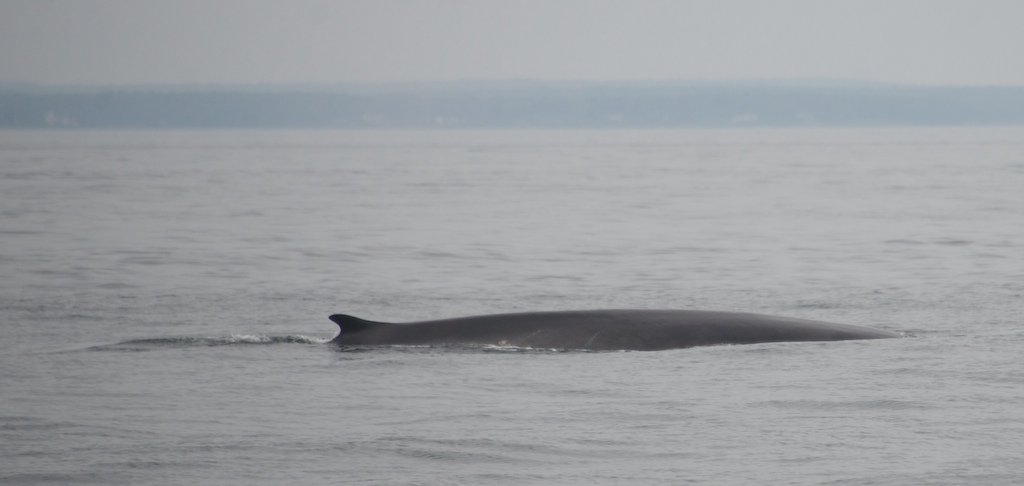
Like with many of my fears, Jason thought my second fear was unfounded, or at least, remote. However, 30 minutes after the Cape Cod canal my fear was realized.  We sighted a whale.   Whales do not have radar or AIS and might topple Two Fish on impact (or so I thought).  Soon after shouting “whale ho” we found out that whales are easy to avoid but whale watching boats are the true danger.  Right whales gracefully transited our course for the next few hours until the wind filled in for a nice sail.  Despite Jason being below decks, he sensed the early puffs of the breeze filling in and immediately came on deck to raise the main.

Whale passes close to Two Fish

Whale passes close to Two Fish


BEVERLY

Hopping a Free RIde

Hopping a Free RIde

Safely tied up in Beverly, we headed out for dinner.  Our dock was filled with locals, and had not yet been invaded by tourists.  What it lacked in picket fence charm, it made up for in a proper New England attitude.  Locals, fishermen and two sailors filled a packed restaurant where quality food was being served at the right price.   Two seats at the bar gave us a great platform for people-watching.  The Red Sox are doing poorly, so conversation was about the upcoming football season and who was paying for the next round.   I thoroughly enjoyed the incredibly fresh fish and chips.  Throughout the summer we discovered some of the best food in unexpected places.


SALEM

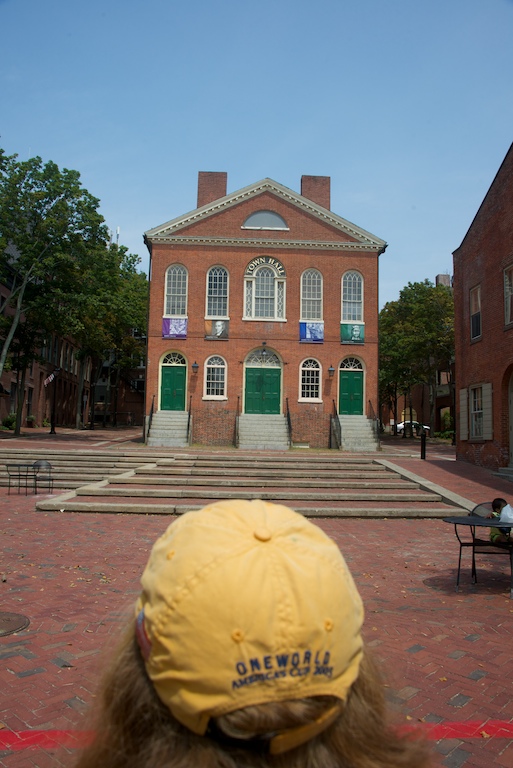
Salem, across the harbor from Beverly, has some whaling era houses as well as the impressive Peabody Essex Museum, where we saw a Turner exhibit.  Turner inspired an industry of  dramatic nautical painters.  Later, I was a bit let down while visiting the Nathaniel Hawthorne’s House of Seven Gables house.  It looked nothing like the cover of my Penguin Edition.  Visiting Salem did provide a good excuse to read The Crucible.  If you are close to Salem, visit the sights, but this was not a must-do on our list of towns.
Before sailing out, we were really happy to be able to meet up with our friends, and past crew members, Erin, Chris, and Darren. We missed you, Salwa.

PORTSMOUTH NH / KITTERY ME

From Beverly to Portsmouth (N.H.) is  49 nm, and, for once, we didn’t have to leave at daybreak. On land, I always wake up earlier than Jason, but at sea the salt air shifts his internal clock and he thinks 4am is a natural time to start a sail.

Our intended destination was East Badger Marina.   I spoke with the dock master  several times to arrange and confirm our space (pink job on Two Fish).  Each time we spoke, he reminded me of the powerful current that passes through the Marina.  After his third warning, I researched his claims and discovered that the tidal current in the Piscataqua River is listed in NOAA’s top 50 in the US. Two Fish’s arrival was timed so that the current would be close to slack,  but we still encountered 1-2 knots while docking.  When a new boat arrives, the entire marina comes to catch their lines.   We had 15 eager helpers.  I am impressed by year round liveaboards in snow states.   I would not last a day.   The drop in temperature even in the summer was apparent after transitting the canal.   My frequent wearing of fleece hinted to Jason that we should not linger long in these northern latitudes.

current from Two Fish on Vimeo.


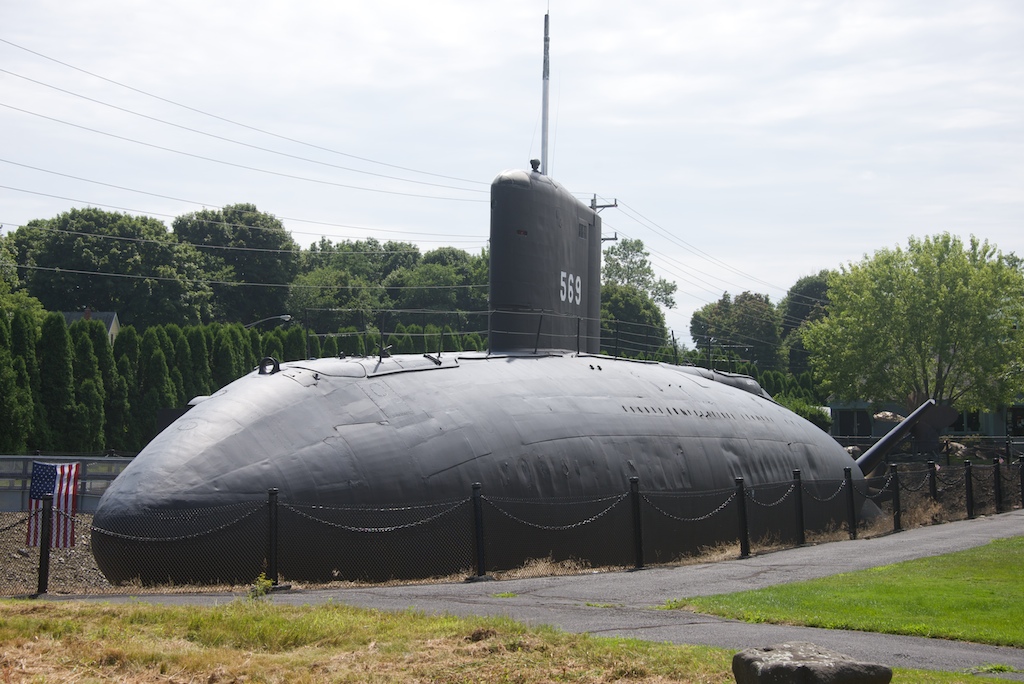
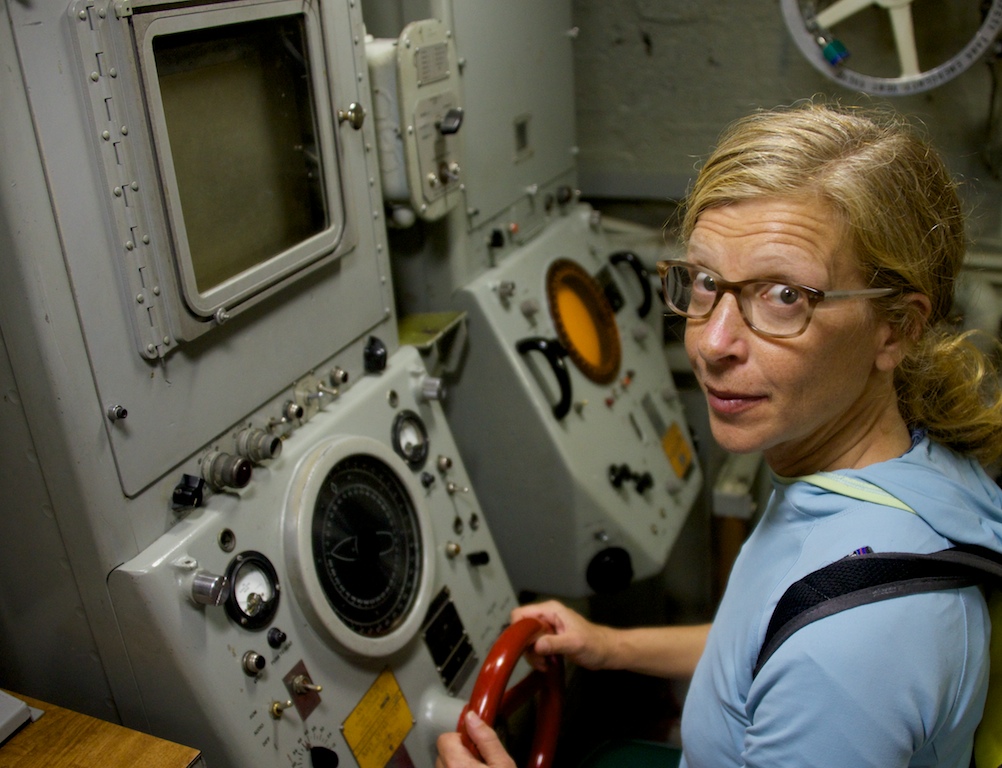
The current would show its true strength after dinner ashore.   When we returned to the boat, the current was so strong that Two Fish was being pushed away from the dock and we didn’t have the strength to sweat the lines in. A bit of quick thinking by Jason and an almost-athletic jump by me and we were able to get back on board using a line and our genoa winch. Portsmouth was one of our favorite stops – great town, great people at the small marina and a beached submarine which had been turned into a museum.  The museum submarine, the Albacore, was the first true submersible that could travel at speed.  The tape-recorded stories from those who had been stationed on her livened up the visit.  If you find yourself a bit optimistic on your fix-it abilities, you might enjoy this submariner’s story: Early Life on the Albacore
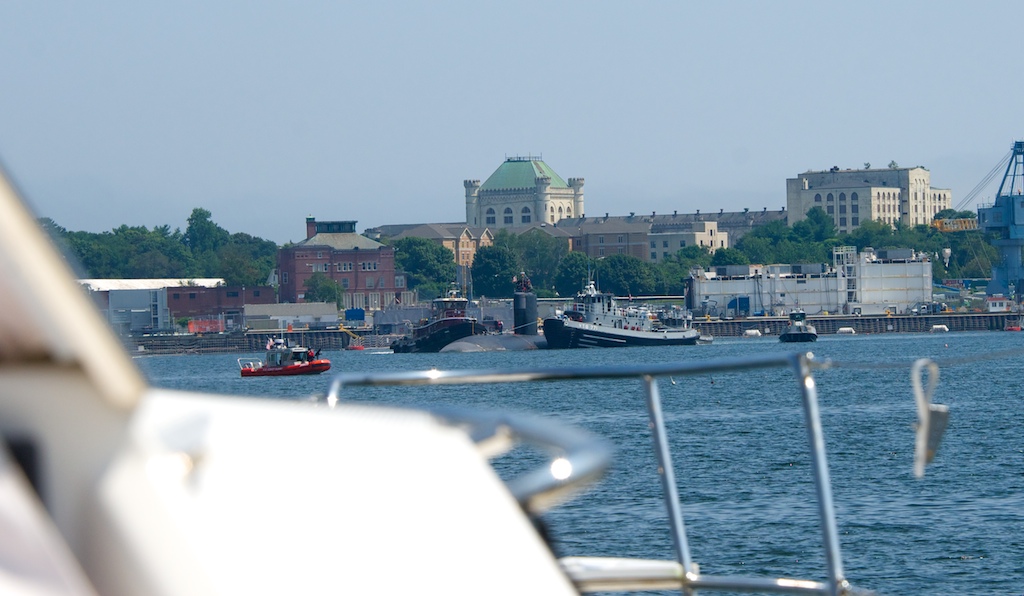
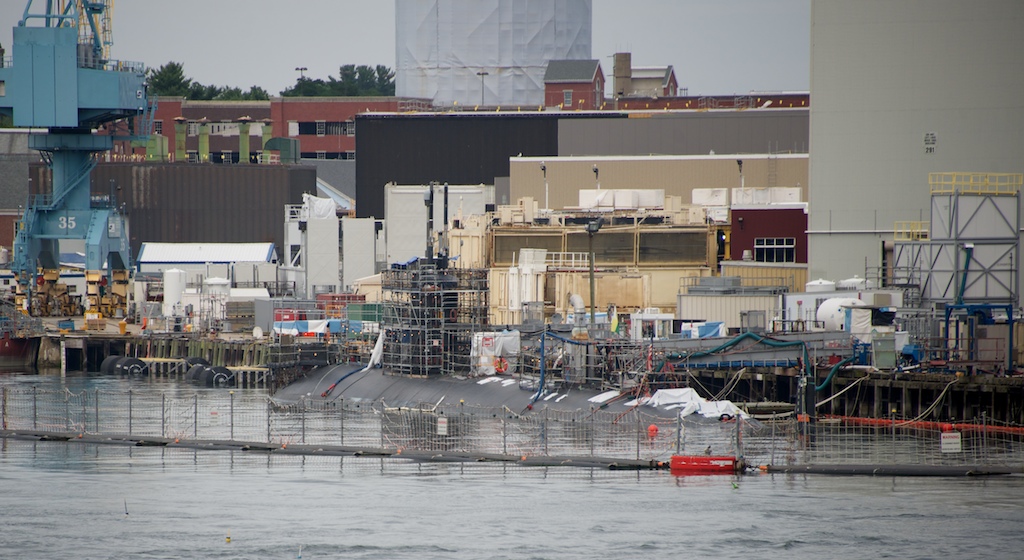
While we were there, a modern nuclear submarine was towed into the nearby military shipyard, complete with escorts to stop river traffic during transit.  Portsmouth’s main strip had many restaurants and very few curio shops.   We are disappointed when we visit towns full of antique shops, but lacking in restaurants because we have room in our bellies but no space for grandfather clocks.

Our selection of our next port of call is similar to deciding what to cook.   First, we peruse the cruising guides (cook books) for places that catch the crew’s interest.  However, the captain’s choices are bounded by travel distance and weather (what is in the fridge).  We enjoy a variety of types of stops.  Some with museums and restaurants and others with nothing but a nice view.   If we don’t like where we are, it is only a slip of the line or a weighing of anchor to be on our way.

PORTLAND

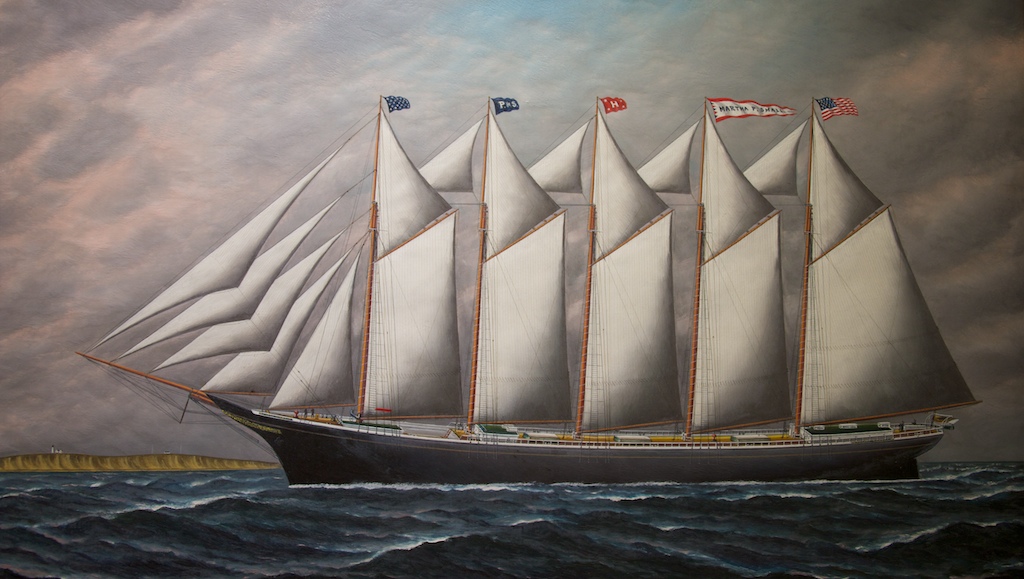
Onward another 47 nm to Portland, Maine, where later in the week we would join our group for the bike trip.  Jason is a fiendish fan of Maritime museums so we rented a car to visit the Maine Maritime Museum in Bath.   Jason gave it 5 stars. We listened to an excellent 90 minute lecture on the Schooners built in Bath for shipping coal.  The museum houses many old runabouts.   The most curious vessel was powered by boiling naphtha rather than steam.  The reason for using boiling naphtha was to circumvent rules that required all steam-powered vessels to have licensed pilots.   However, naphtha tended to catch fire and the trade-off seemed foolhardy.   Another study in government regulation.

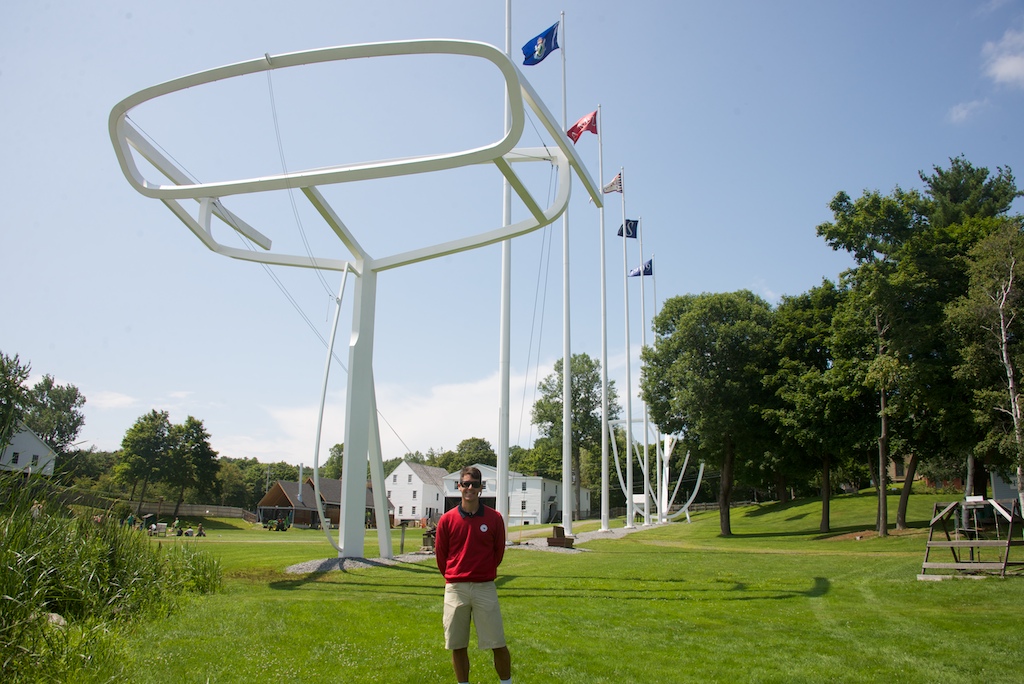
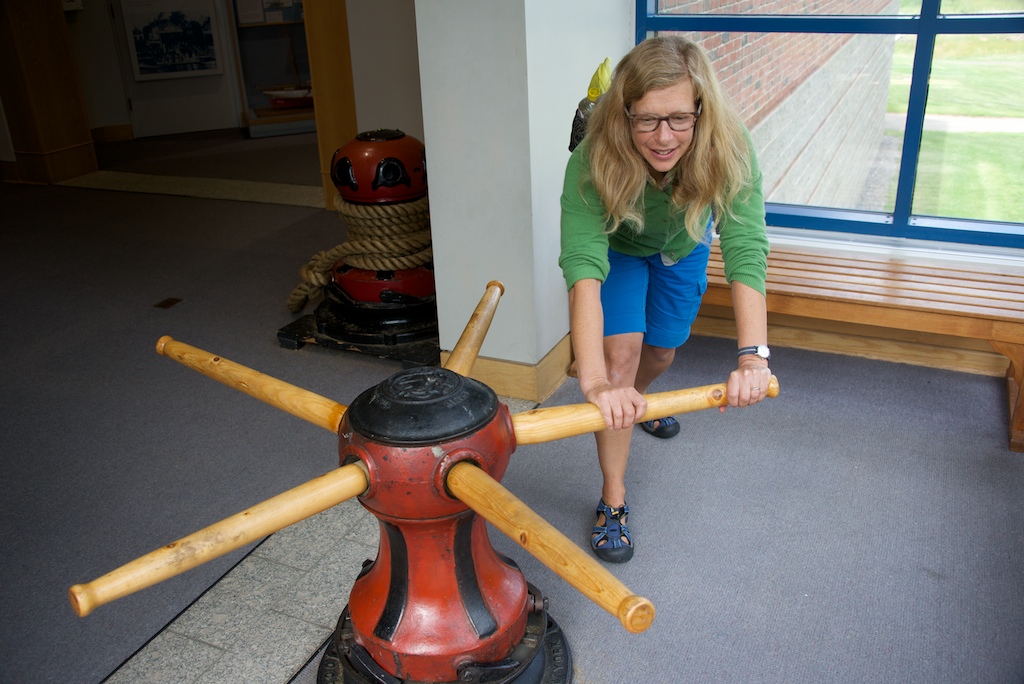
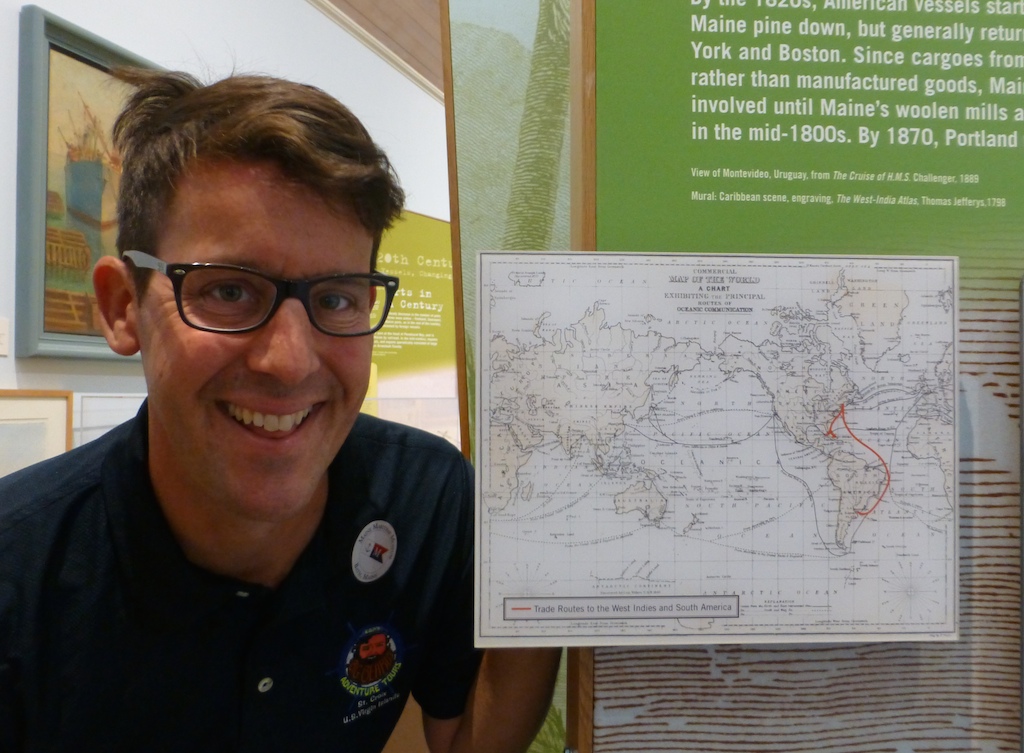
The “sculpture” of the Schooner Wyoming really brought to life how amazing the shipyards were. The Kennebec River was a popular setting for shipyards because of the protected harbors, ample width, and gentle slope for launching the completed boats. In the museum exhibits, I tried the old version of a windlass, where I pushed on the large wooden handles.   I am happy our windlass only requires pushing a button.   We were also excited to see an exhibit about the trade  route from Argentina to Maine – the same course we had sailed.


We spent a few days securing the boat in South Portland and meeting friends before our bike trip. It was a bit hard for Jason since the 6 day trip would be the longest he would be away from Two Fish since her construction.

These photos of our trip should give you a good feel for how spectacular the coast of Maine is. On the food front, I ate lobster rolls or some variation on the theme every day, and marveled at how much New Englanders love their ice cream, despite the cold evenings. One of our highlights was meeting Blue Dawn again and sharing a wonderful dinner in Rockport. My sports accomplishment of the week was cycling to the top of Cadillac Mountain after months without real training.

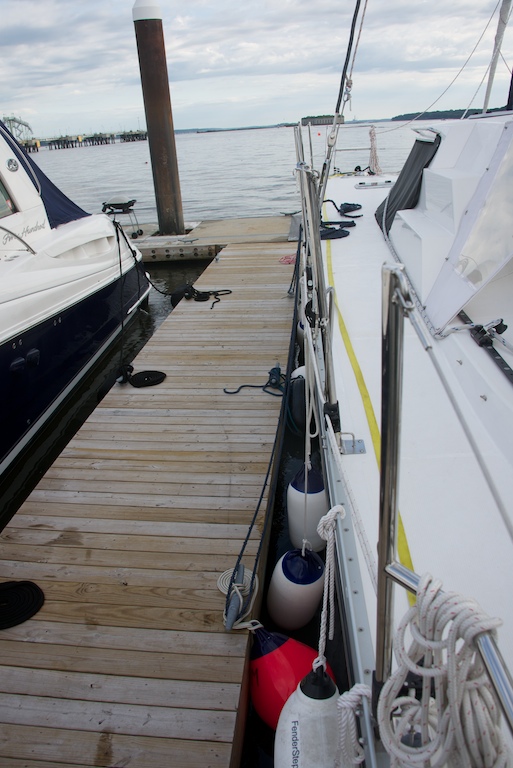
Fortunately, we returned to a safe and sound Two Fish just in time to make sure that she was secure for the 30 knot breezes expected that evening. Being tied to a dock is a bit harder on the boat than floating freely, so we made sure lines were secure and fenders were in place.  We borrowed fenders from the marina so that the boat was cushioned by an odd collection of 10 fenders and balls.  We tied some of the fenders to the dock cleats to create a floating barrier, not just fenders hanging over the side.

During the height of the storm there were small breaking waves coming across the docks.   They washed the wooden inspection ports out of position and tossed lawn furniture on its side.  We walked the dock very cautiously and on the windward side.

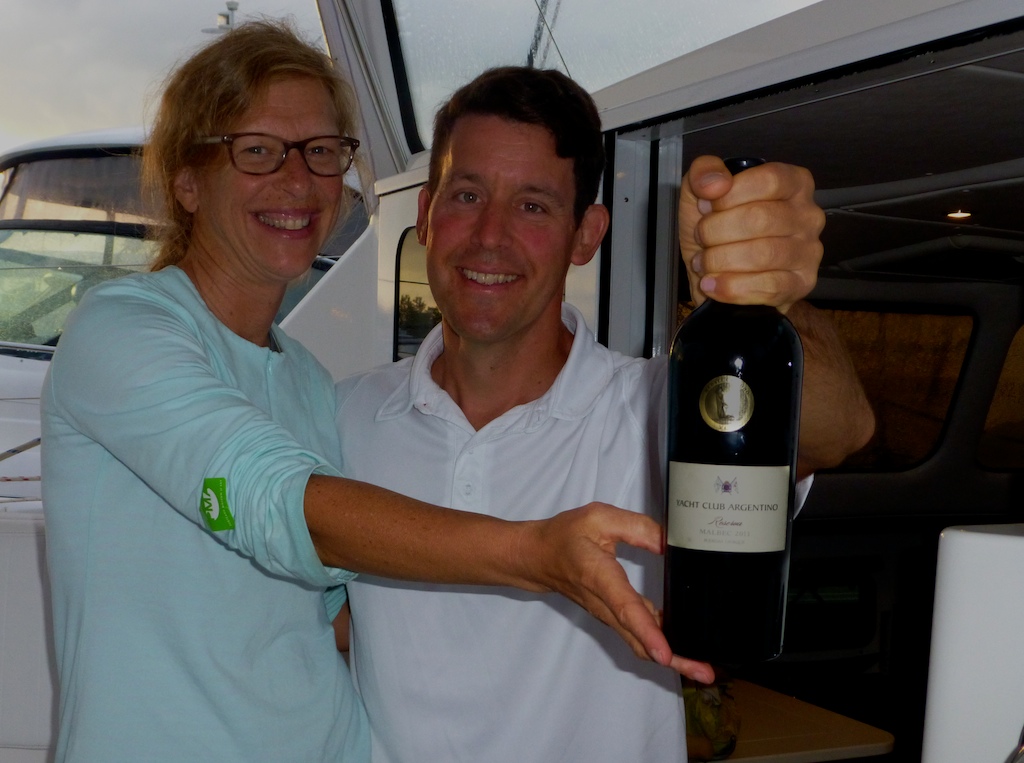
Like all good sailing plans, ours changed.   Into the trash bin went Provincetown and the Hamptons and back to Rhode Island via an overnight sail began the new plan.  I was eager to get back into the Sound where evenings were not so cold. But before we left Maine, we drank the bottle of wine that we brought from the Yacht Club Argentino to celebrate making it from 35 South to 44 North.


Read full story  · Comments { 2 }

Passage Plan

When we lived onshore, we never planned our day trips. While the elevator whisked us down to street level, we decided whether to travel via foot, subway, or, taxi.  On the boat, we have a formal pre-passage process including a crew briefing, weather forecasts and routing.  For a day sail our planning can be somewhat brief, but when we are leaving for 1,000 miles, more preparation is required.   The wind, tides, marina hours, sunsets, currents and crew schedules all create a complex timing puzzle with no ideal answer but a series of trades-off based on estimates.

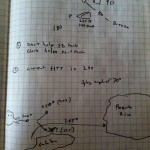
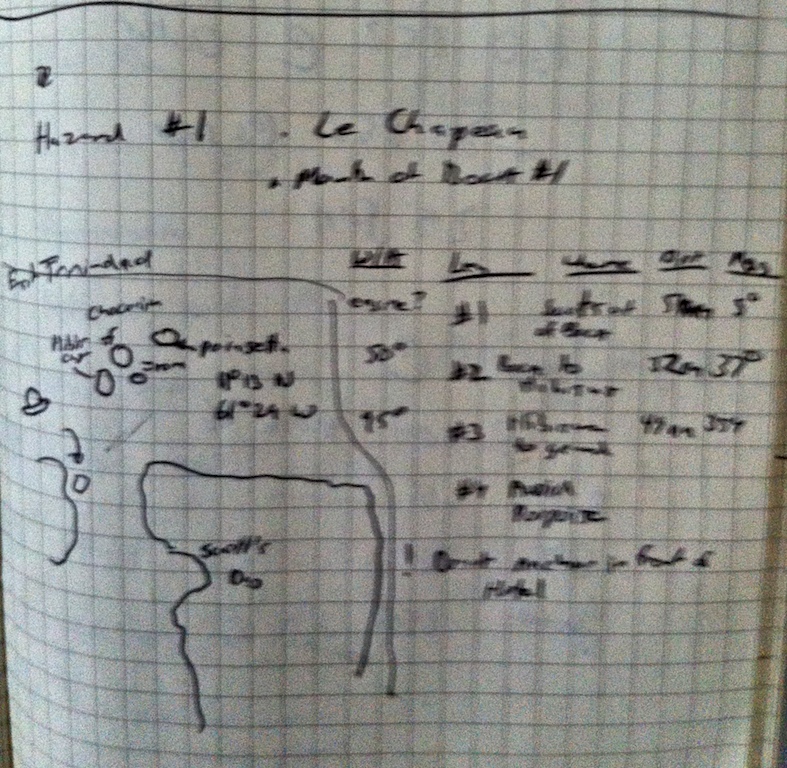
Sample passage plan: The passage plan is either handwritten in my journal or stored in an excel spreadsheet; it is a summary of the important considerations for each leg of the passage. For me, writing down the plan reinforces it in my mind. In a tight spot, quickly knowing the weather trend, bail-out port and major navigational hazards is key.   The crew may be seasick and the captain might not have a chance to reread the source materials.

SAMPLE PRE-PASSAGE NOTES:

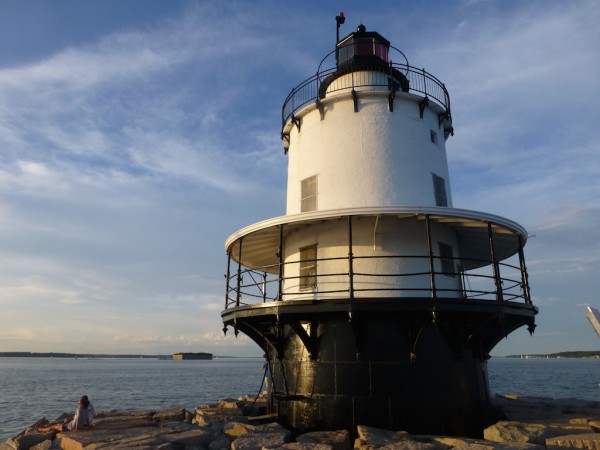
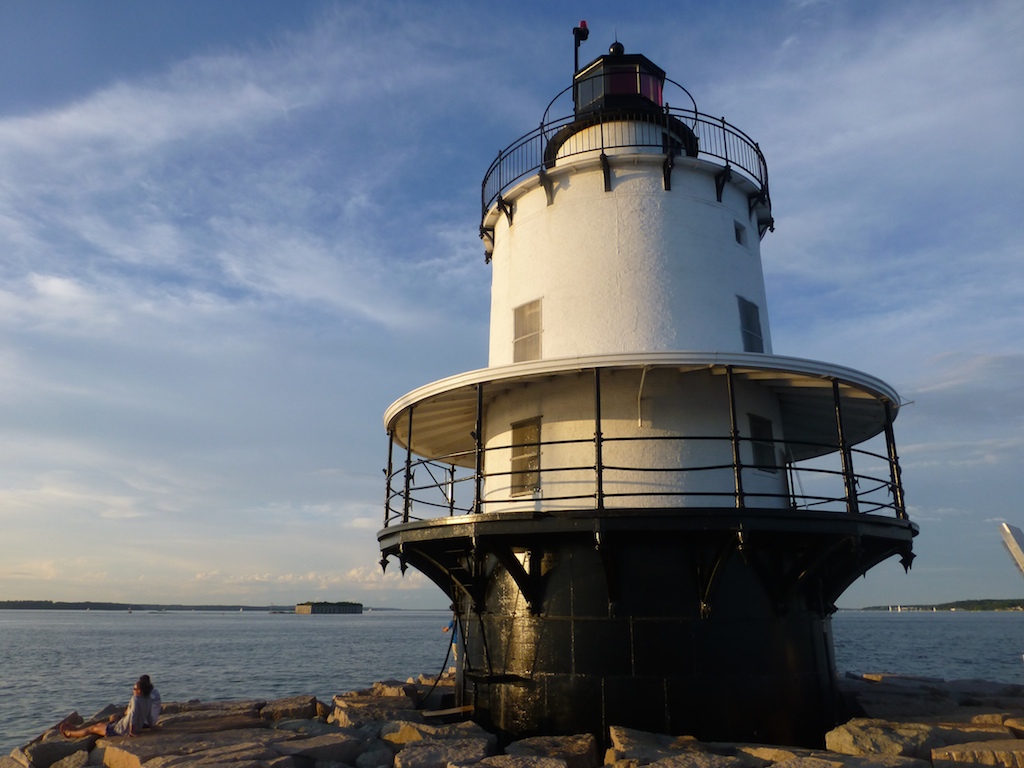
Portland Light

Portland Light

Leave Portland, Maine to Point Judith, Rhode Island (160 nautical miles) Sunrise :  615am    Sunset: 7:05pm Moonrise:   10pm  Moonset: 9am  (half moon) Portland Tide:  10 am low water,  7am 1.2 knots ebb, 9am 1.4 knots ebb Cape Cod Canal Tide:   3am (slack tide)  5am 3.5 knots west 9 am (tide going east) Pt Judith Tide:  Plenty of depth and tide up to 1.5 knots.   OK to arrive anytime before 11am. *Tides are described in the direction they are going while winds are described in the direction the are coming from.   In Florida, the Gulf Stream is a northerly ocean current (warm water traveling up the east coast).   If the breeze is from the North, a northerly, then the current and wind will be in opposition directions and sailors should expect large waves.   When we transit areas of strong tides or currents, we try to avoid such oppositions.   The strongest spots we traversed this summer were Hells Gate in NY, Cape Cod Canal, and The Race at the end of Long Island Sound.  All three locations can experience more than 4 knots of tidal speed.
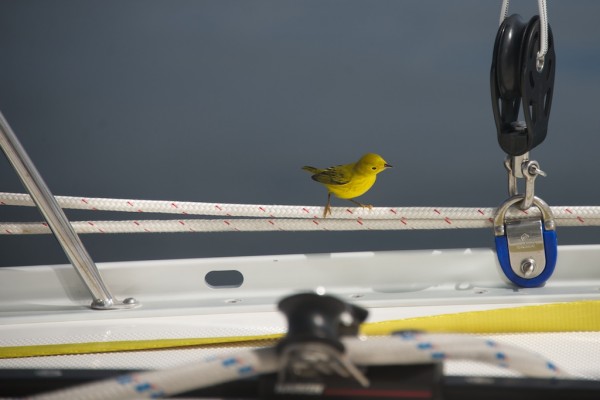
Uninvited crew during passage

Uninvited crew during passage

Timing of arrival

We have not even weighed anchor, and I am thinking of our arrival time?   Our departure time is influenced by the time we wish to arrive at our destination, ride a current, or, pass a particular hazard.  Most of the time I try arrive in advance of a timing window, because it is easier to slow the boat down than to speed it up.    To speed the boat up,  you can put up more sail area and risk ruining a nice sail or worse, or, you can run your motors at high RPMs.   We tried to make it to a Brazilian offshore island before sunset on our trip north.   We were motor sailing and I increased the RPMs with the hope of making the anchorage before susnet.  The bad decision was driven by the “magic 8 ball”.   The magic 8 ball is my nickname for  Furuno’s predicted arrival time.   The number gyrates up and down as Two Fish pushes through waves.   The optimist sees the 7pm arrival, but the realist knows it is not possible.  In the Brazil island case, the breeze and seas became unfavorable, causing us to get progressively slower.  We arrived at 2am and burned so much fuel, we had to add an additional stop for diesel.   Lesson learned – have a fuel plan.   A conservative rule of thumb is 1 gallon per hour of run time per engine at 2,200 rpm.  The fuel gauges, while not perfect, offer a hint of our current fuel load.   On major passages we have carried an additional 35 gallons in jerry cans, but while coastal cruising, we carry only 15 gallons.
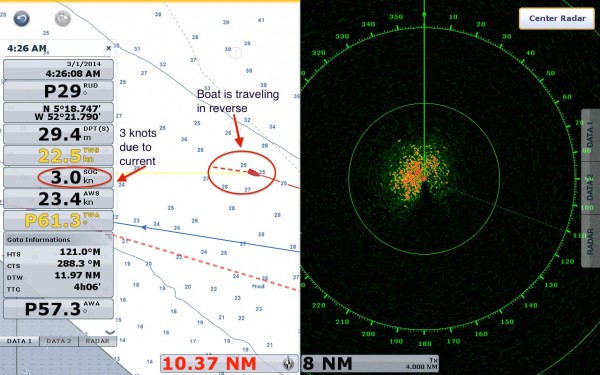
Trying to slow the boat but Guiana current will not oblige

Trying to slow the boat but Guiana current will not oblige

Slowing the boat down is the alternative to speeding up for a deadline.  It is used frequently by sailors and employees of the Department of Motor Vehicles.     Reducing sail area can allow precision with arrival times but sometimes the boat will not slow down.   In a 3 knot current off French Guyana and also in a 23 knot aft breeze off the Jersey Shore we were forced to hove-to as the final technique to  slow the boat down.   In both cases the boat kept going 2-3 knots;  it was good we hoved-to early else we would have overshot our destination, resulting in a brutal upwind or up-current passage to get back to the harbor in the morning.

  Next Port of Call
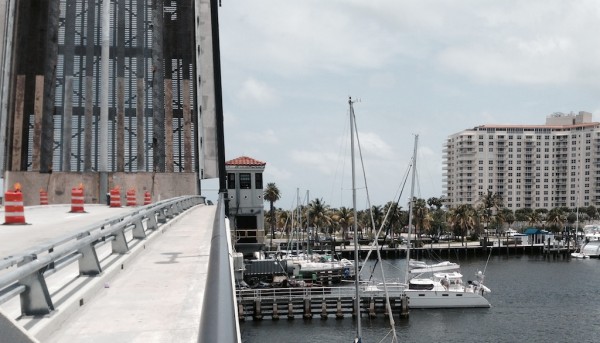
Two Fish arriving stateside

Two Fish arriving stateside

As part of our destination selection process we read cruising guides, charts and Active Captain (like Yelp for boaters).   Some cruising guides are very marina focused so it is good to speak with locals as well.  This post is already too long so I will postpone a review of our massive collection of cruising guides.  On a similar vein, pilot charts show the average wind speed and direction for large bodies of water by month.  We have not found pilot charts very useful. Once we have chosen the place we are sailing towards, it is worth also noting bail out ports. For example, here are the harbors of refuge I had for the trip from Ft. Lauderdale to NYC: St. Augustine, Savannah, Charleston, Morehead City, Norfolk, and Cape May.   The longest stretch we had without a harbor of refuge was in Northern Brazil during our transit of the Amazonian river basin.  The river pushes massive volumes of water against the prevailing trade winds; this creates short steep waves as you get closer to shore.   If you did bash your way upstream the ports lack most services for boat repair.  Better to duct tape whatever is broken and fix it in Trinidad.


Weather Routing service
Ocean temps and black routing line

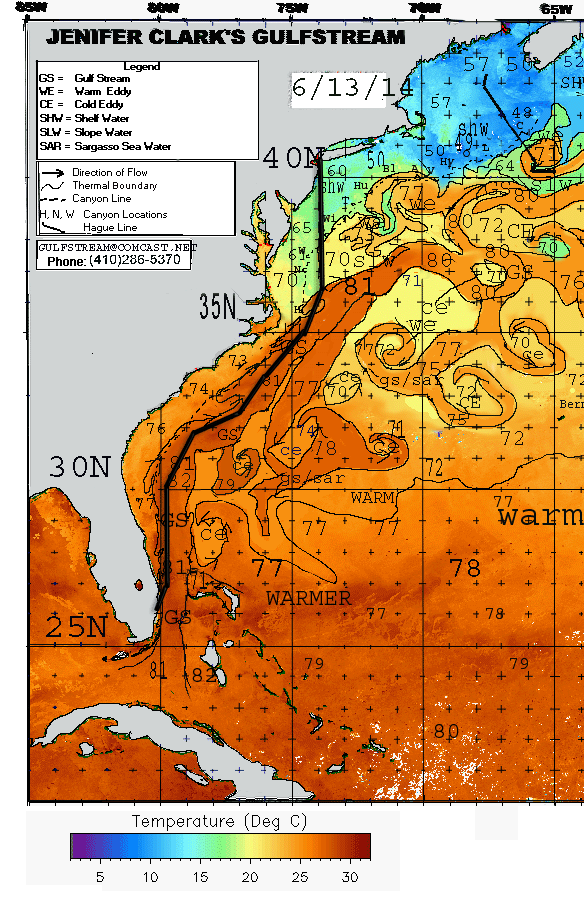
Ocean temps and black routing line

Of course it is not enough to just know your destination. Our speed, comfort and safety are governed by the weather and we are constantly checking the forecasts. For long passages, we like to get advice from the experts on when to leave, what to expect along the way and recommended waypoints. We are fans of Commander’s Weather and used them on all trips longer than 600 miles.  We felt that paying a few bucks to have a pro give you a green light was a worthwhile investment.   They can also send you mid-passage updates for passages longer than a few days. Forecasters are not able to prevent sailing into a few squalls, but they can help you avoid a tempest.   Here are my Florida to NY passage notes that Commanders Weather prepared for Two Fish.    I felt much better having such a thorough write up before undertaking the passage.  On the day of departure they prepared a more thorough write up of the expected conditions. We also used Jennifer Clark’s weather service.  Her specialty is the Gulf Stream and has guided many sailors racing from Newport to Bermuda.    Her suggested route and Commanders’s route were about the same.   The third route produced by me using the NOAA data had similar recommended waypoints. Weather Forecast by Two Fish Most weather apps and websites are based on the GRIB (Gridded Binary Data) files that come from NOAA.  The model is named GFS (Global Forecast System) and feeds zillions of different websites.   Do not get lost on the internet searching for new forecasts because they may be the GFS with some pretty colors.  We get our GRIBS by downloading them via our KVH sat phone while at sea.  The GRIB is a data file and you need a viewer to look at them. I use ZyGrib but could use MaxSea or dozens of free programs and apps. Most of the viewers have a GRIB request function that helps you define the area and fetch the data.   ZyGrib is free for the Mac and PC.  Download the version which has more cities as it is easier to find your position.  After surveying the predicted weather for my upcoming passage I start filling in the details.   I create the route on my iPad in the Navionics app.   I make a speed assumption of about 6 knots to estimate where Two Fish will be every 3 hours.  This is so I can obtain the weather forecast for my approximate position throughout the trip.  This process could be done with a few key strokes in Max Sea, however, I prefer the more manual approach since I spend more time familiarizing myself with the data.  More looks at the charts and more time with the weather files gives me more time to ponder different scenarios and how I will respond.   If the wind shifts more than expected and I have 25 knots on the nose, where will I seek shelter? This video is an introduction to using ZyGrib.  I have no connection with the authors of the software.  I just like it.

ZyGrib Demo from Two Fish on Vimeo.

Sidebar on speed estimation: I have found the polars for the Antares do not match Two Fish realized boat speeds.
Speed estimate is key for East River transit

Speed estimate is key for East River transit

We have been frequently traveling with just two people so we tend to be under canvassed when we exceed 9 knots of boat speed. On the other hand, we travel faster than the polars when the air is light or have a head wind, since we engage the engine. Cruiser polars should include adjustments for motoring. Instead, I use the crude estimate that we average about 6 knots in the light winds of Long Island and 8 knots in the trade winds before adjusting for current. When motoring we only run one engine at 2,200 or fewer revs. Some day I will create an amazing program that takes into account how cruisers actually sail but until then I will use my 3 hour estimates and skip the routing software in MaxSea.

  More Detail on Weather Plan Before leaving the dock, I combine my estimated positions for every 3 hours of the journey with the GRIB information to produce the below table, reminding myself that zyGrib GRIBS  are based on UTC. Gail only looks at the Gusts column because she believes the GFS gust data is a better predictor of the wind we will encounter. Our course for this example is 230 degrees and is used to calculate True Wind Angle (the difference between your course and the true wind direction). True Wind Angle is a key factor – 20 knots on the bow can be uncomfortable while 30 knots from the stern can be comfortable.  To get wave data using zyGrib, you must click on the wave tab when choosing data for download. Waves are not estimated for near-coastal areas.

Position Time UTC Wind Speed (knots) Gusts True Wind Direction True Wind Angle Waves (meters)
Near Portland Light 0600 1000 8-10 15 090 60 1m
Prout’s Neck 0900 1300 14-16 21 120 100 1
Kennebunkport 1200 1600 5-7 11 90 130 .5

We also look at the CAPE data in zyGrib; this is the probability of convective activity, a chance for thunderstorms.   Give this a look when sailing in Florida or the doldrums.   It is best if you can avoid the high risk areas, but if you are stuck then make sure you are using your radar in dual range mode.   In dual range mode half the screen is set to see 3 miles to avoid other boats.   The other half of the screen is set to see 24 miles for rain clouds.   On the 24 mile screen turn the rain clutter to zero and gain very high so rain clouds show up.   Now you can try to use your radar to avoid the worst storm clouds.
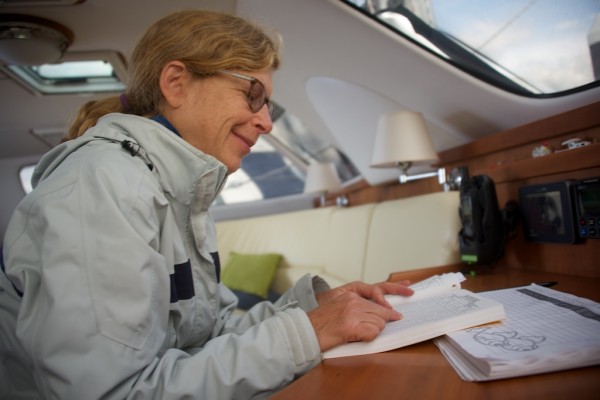
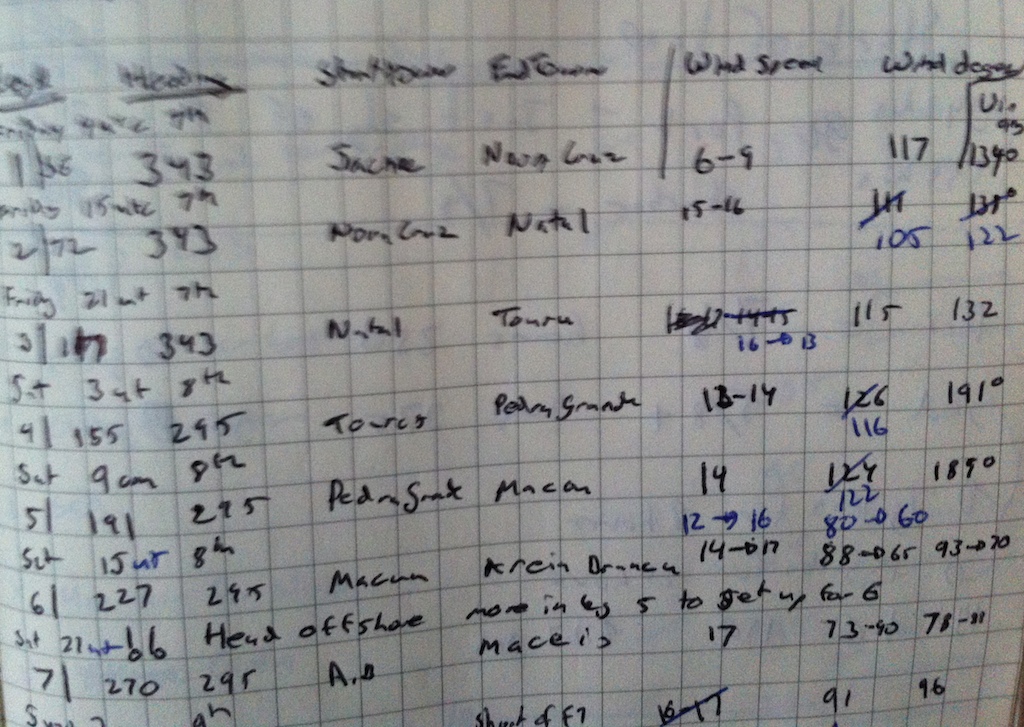
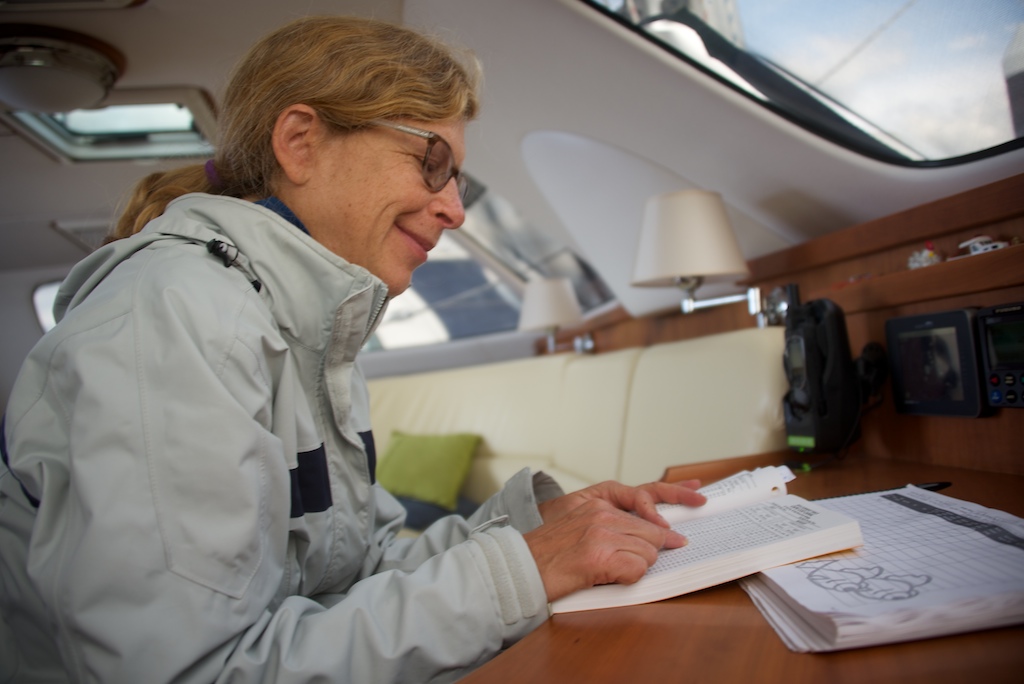
Paper still works! Eldridge for tides and our log book.

Paper still works! Eldridge for tides and our log book.

What can you learn from the table?
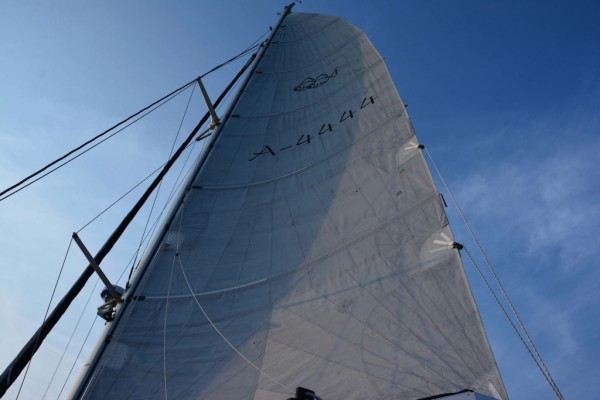
Full main or a reef?

Full main or a reef?

Waves:   Waves on the nose over 2 meters with a short period are hellish and the fun factor goes away over 1 meter.   A following sea with a decent period can be comfortable up to 5 meters.   Waves are nasty when an ocean current and a breeze are passing in opposite directions. Wind speed:   The Antares can handle wind very easily when it is aft of 90 degrees.   If there are gusts up to 30 at less than a 90 degree true wind angle, then you better make sure you have enough ginger on board. Wind shifts:   Cruising may not be racing, but cruisers like to be comfortable and looking for shifts can really help.   In a few of my trips the table showed that the true wind angle was going to change dramatically over a 36 hour period.    Initially, the true wind angle was 160 degrees.   I often have twin head sails up for this wind angle.   But in 36 hours there was going to be a big shift in wind direction, causing the true wind angle to shift to 50 degrees.   It is no fun to sail hard on the wind.   My table helped me increase the comfort level.   I sailed above the rhumb line for 1.5 days.   I was 50 miles off course and I had bet on the forecast being correct; if I was wrong, we would have gone way out of our way.  But the GRIBs came through and the wind shifted forward.   We avoided the pain of sailing to weather and turned the boat back to the rhumb line.   Smooth sailing. Changes in forecast:  During the voyage I use my KVH v3 to download fresh GRIBS and compare those to the original estimate.  As a back-up, we have a slower Iridium Extreme sat phone and even slower SSB to download GRIBs.  If the forecast changes dramatically, I reassess our plan.   Then I share the new information with the crew.  When I am off watch I will ask to be woken if there are changes in wind direction or speed.   For example I might say, “Wake me if the true wind direction changes 50 degrees or the wind speed goes above 25”. NOAA data I love the Coast Guard and NOAA.   Since your tax dollars are covering the costs, you might as well use NOAA’s great website. Full list of NOAA data Package – weather briefing for NW Atlantic Surf around the site and you can find other regions and plenty of data on waves and wind. Here is the Brazilian weather website  and the Argentinian website. Click on the link labeled “suscripción” at the top of the page to subscribe to the Rio de la Plata weather.  The national weather service of Uruguay was on strike for one of the weeks we were sailing their coastline so we will not post their link.   Windguru is a very popular website that we use as well. Route Planning My next step is to plot the route in Max Sea.   This can be done on the TZ screen at the helm, but I prefer to do this on the laptop.  When the route is done I export it to the TZ touch SD card.   I use the sneaker network, but I could sync the routes by plugging the laptop into the Furuno network at the navigation station.   This video offers a brief introduction to MaxSea. MaxSea Tides from Two Fish on Vimeo.

Ocean Currents I enjoy the strategic aspect of passage planning.   Betting on a wind shift or trying to get the most from ocean currents.   Sometimes there is no option for finesse.   The southern Brazilian coast is into the wind and into the current.   The only strategy is to enjoy a period of pain. Farther up the coast, life becomes much easier as both the wind and current are allies.   Ocean currents are fickle friends.   In a mere 5 miles a 3 knot advantage can become a 3 knot enemy.
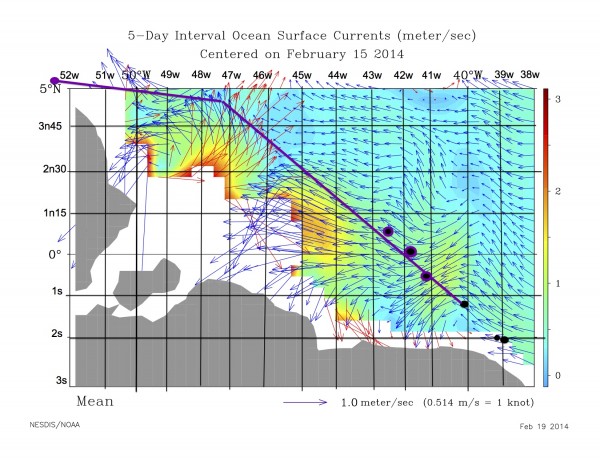
Ocean currents near the Amazon

Ocean currents near the Amazon

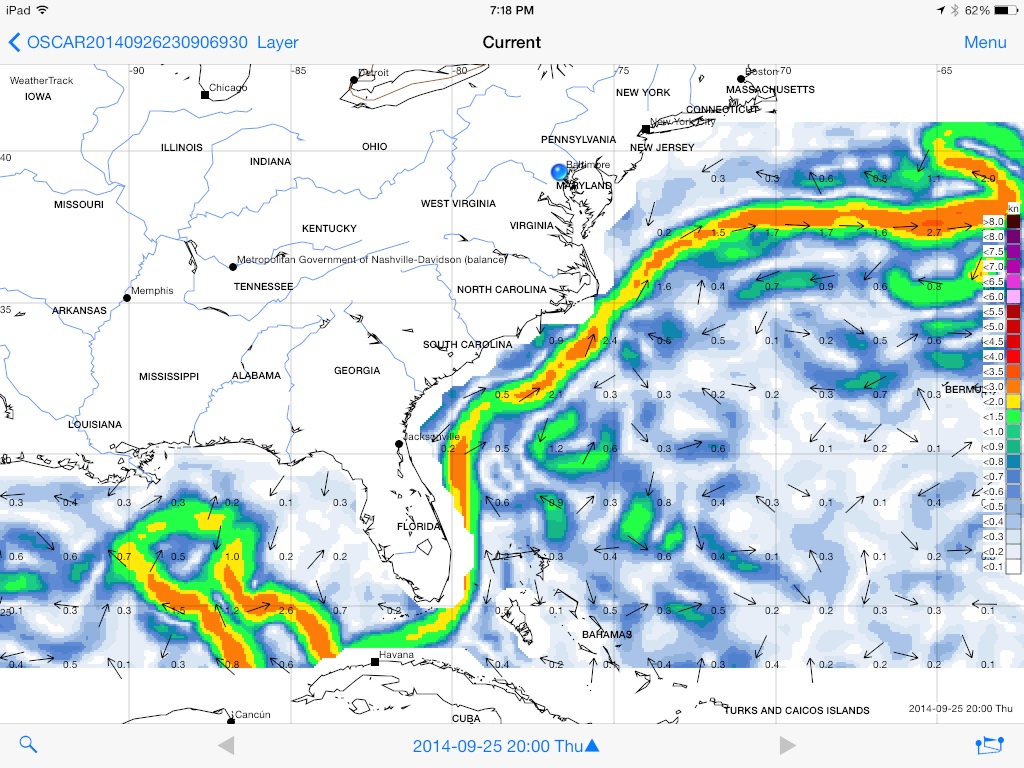
To solve this puzzle I found the confusing but very useful ocean current database,  OSCAR.  I became obsessed with currents because they are free speed like solar is free energy.  In a helpful current the boat is going faster without bumpy seas or howling winds.  Many chart plotters have ocean currents as part of the standard package but they display long term averages.   This is flawed as currents change by season, by year and by trending weather patterns.   There are also data bases with ocean currents averages by month, which is better than a yearly average.   Best would be real time ocean current data?   OSCAR by NOAA does just that.   With buoys, satellites and a bit of black magic they show where the current has been for the last 5 days.   To use the data I download a PDF of the region and manually create a route and waypoints.   You can see the process in the image above.   Then I take the waypoints and insert them into our Furuno chart plotters.   This process takes a while so there must be a better way. When we arrived in Tobago an iPad app (Weathertrack)  announced that it had just added support for OSCAR data.  It is 10 dollars and it is a requirement if you a doing a major ocean passage and want to excel in the current.  I still have to type in waypoints but with this app it is much faster than the previous arts and craft style project.  Progress!
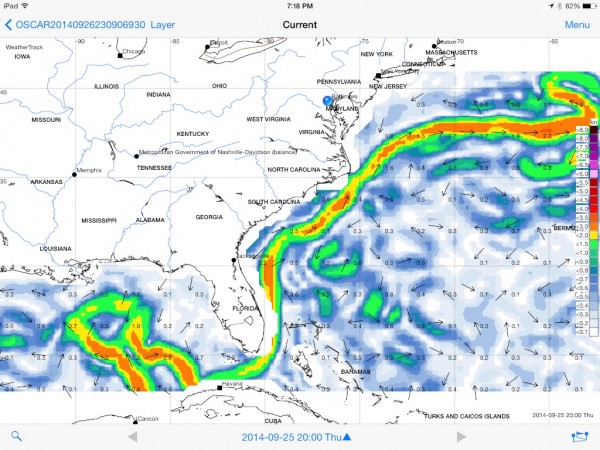
Weathertrack showing ocean currents

Weathertrack showing ocean currents

There are two ways that I know of to assess whether you are in the current.   First is to compare your speed over ground (GPS speed) to your speed through the water (paddle wheel speed).   Paddle wheel speed is not accurate.   The worst part is that the error term changes with the speed of the boat, direction of the waves, if the paddle wheel is in the windward or leeward hull and other voodoo-like attributes.   Another equally opaque technique for finding ocean currents is to measure the sea temperature.   This works great for the gulf stream which is much warmer than the surrounding water; however, the currents in Brazil are not easy to detect by temperature.   The black art of current surfing is one of the fun puzzles cruisers have to solve. If you become interested in ocean currents as a hobby and want to read more visit this University of Miami website.  It was a bit heavy for me but still fascinating. New Crew

We now have a plan. We often have friends join us for longer passages. At this point, I am so excited to get going that I have to control the urge to cast off as they clear the stern steps.  But first, with new crew onboard, we print out and discuss our safety briefing (What to do in case of fire) which covers fire, flood, Man Overboard, MayDay and life raft operation. We also discuss other safety issues such as not getting your hand eaten by the winch, cleating BOTH sides of the traveler, warnings on power winch usage, reefing procedures, tensioning both sides of the screecher reefing lines and other tips to stay safe on Two Fish. We ask that crew go forward with a PFD and wear a PFD at night. We have spinlock PFDs that contain a Kannad AIS system in the pocket of the PFD. This means that if you fall overboard you can become an AIS target for us to track on the chart plotter. We also have jacklines so people can clip in as they go forward in rough weather.

Watch Schedule

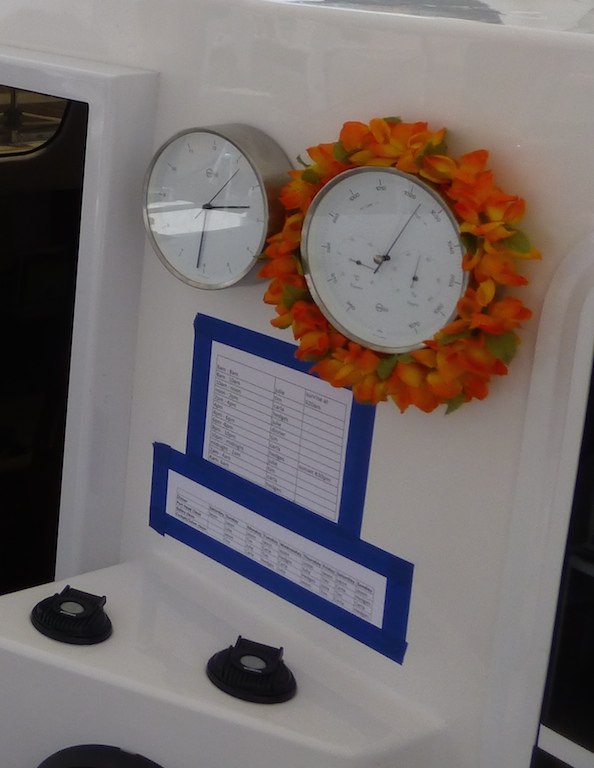
Watch Schedule and Crew Duties

Watch Schedule and Crew Duties

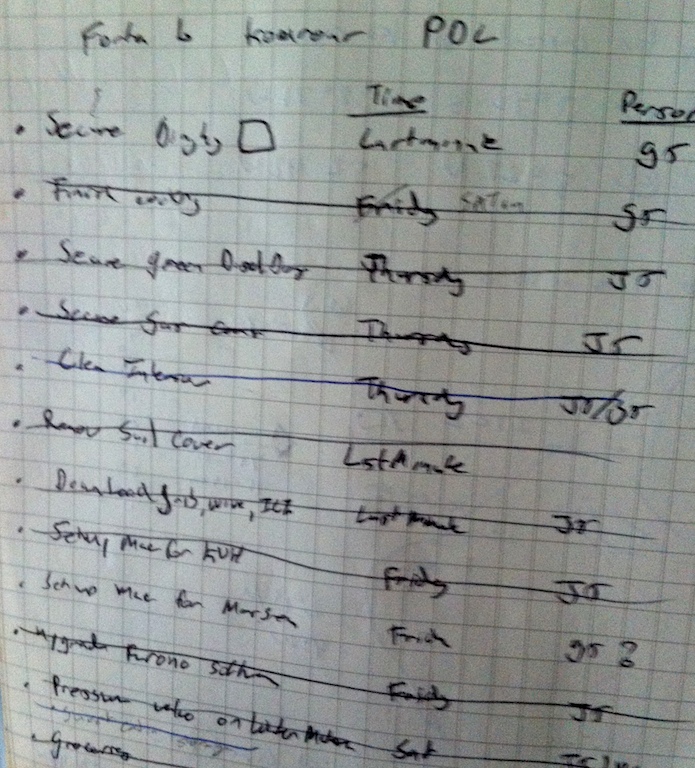
We always have one person at the helm set out in our watch schedule. On longer passages, we prefer having a total crew of 4 people. 2 hours on, followed by 6 hours off. We tape the schedule underneath the clock and barometer. The bottom blue box in the photo is the chores schedule. Each crew rotates kitchen cleaning, head cleaning and general salon picking up. I make dinner for the crew at 4pm every day and it becomes a social hour and a great time to share routing thoughts. I turn the generator on to top up the batteries while I use the microwave to warm up the meals Gail has prepared in advance. Baked ziti, lentils with sausage, and spicy chick peas are some of my favorite Gail passage dishes. Sometimes I give crew an area to “Captain”, such as CFO (chief fishing officer). It is a great way to get crew involved and in control of their own space. When we do overnights with just the two of us we play it by ear. I (Jason) will do the bulk of bad weather and dark while Gail will helm many hours of flat seas during daylight.


Final Thoughts Wow that was a long post.  I hope all the links and videos do not hide my thesis.   Planning for a passage can be one of the joys of captaining an ocean-going vessel.   With knowledge comes the power to make better decisions and give confidence to crew that may have some pre-passage nerves. I try to think about what could happen and how to respond before it does.  I also keep adding and improving to my passage plan based on tips from others and lessons learned in the heat of battle.
Read full story  · Comments { 3 }

Haul Out

Astute readers will remember Two Fish’s dramatic propulsion problem: while motoring she could only travel in reverse.  In an old Car Talk episode, a caller had a car that only could turn right.   The caller gleefully announced that she just would use four left hand turns to go right.   Gail was quick to announce that Two Fish would not be traveling the Atlantic Ocean in reverse.

After anchoring, we tried to diagnose the problem.  We tested whether the engines were shifting.  While moving the shifter at the helm, we could see the lever near the transmission moving correctly  (little arm moving aft is forward gear). Next we made sure that the shafts were rotating – again a passing grade  (forward gear is when the shaft rotates clockwise when the observer is looking forward).  So it seemed logical that the Max Props were not operating correctly.

The poor visibility in the  muddy waters of the Connecticut River prevented my diving the boat to examine the props and forced us to haul her out of the water. Once again, I was surprised by Gail’s organizational skills.  Two minutes after we decided to haul out Gail said, “Jason,  a half mile up river is Essex Boat Works and they are one of the few places with a travel lift wide enough for Two Fish.   I will book a haul out for the morning.”  How did she know that?

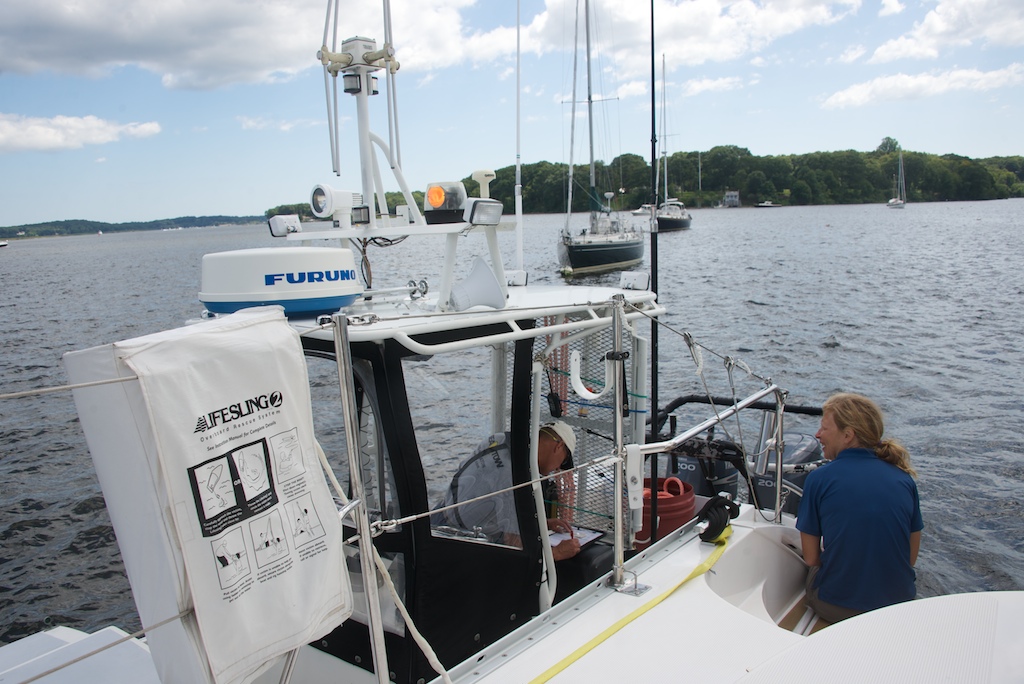
Sea Tow helps when we lost forward gear

Sea Tow helps when we lost forward gear


The next morning, Sea Tow (AAA for boats) came to help us into a narrow chute leading to the travel hoist.  Even with working engines, narrow chutes raise my heart rate faster than a treadmill.  What will it be like without engines? Our luck continued as Sea Tow arrived just at slack tide in light winds.  Sea Tow did a side tie and acted as my motor.   I was steering Two Fish and asking for more or less power from the Sea Tow captain.  This was a great time to learn this type of maneuvering.  Since the Sea Tow vessel was low to the water, the captain’s view was obscured by Two Fish’s high decks.   Near the mouth of the chute I asked Sea Tow to cast off.  We then coasted in with the help of half of the boat yard staff.   It was easy because of the kind tide and weather.   Our luck would not continue.


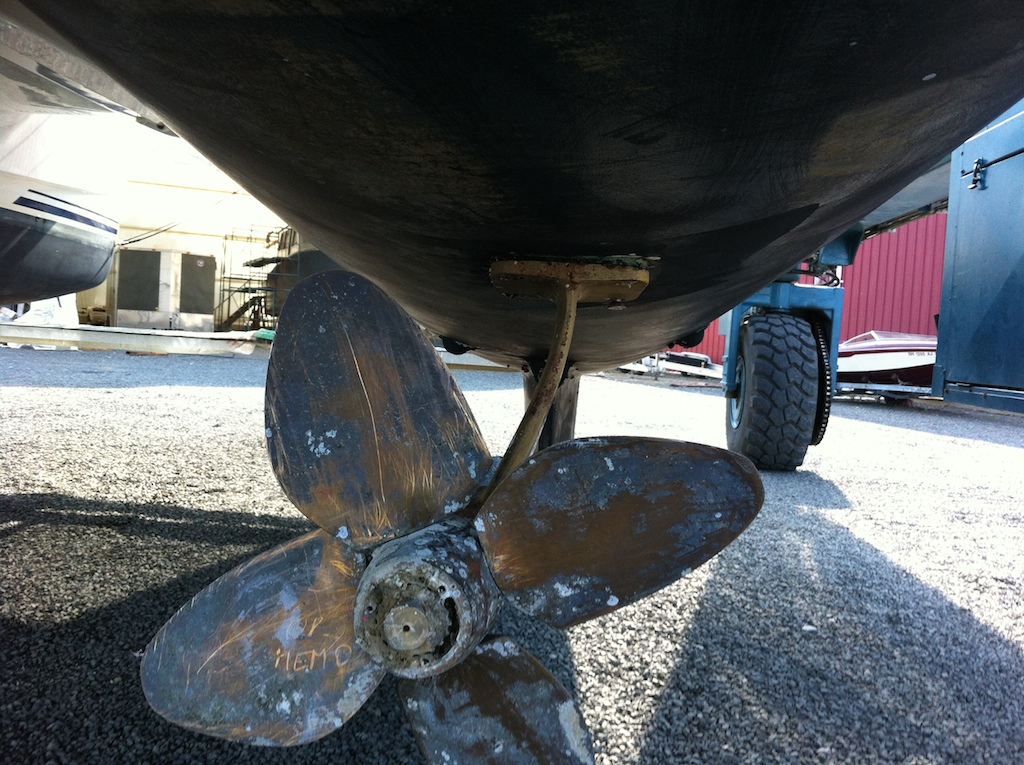
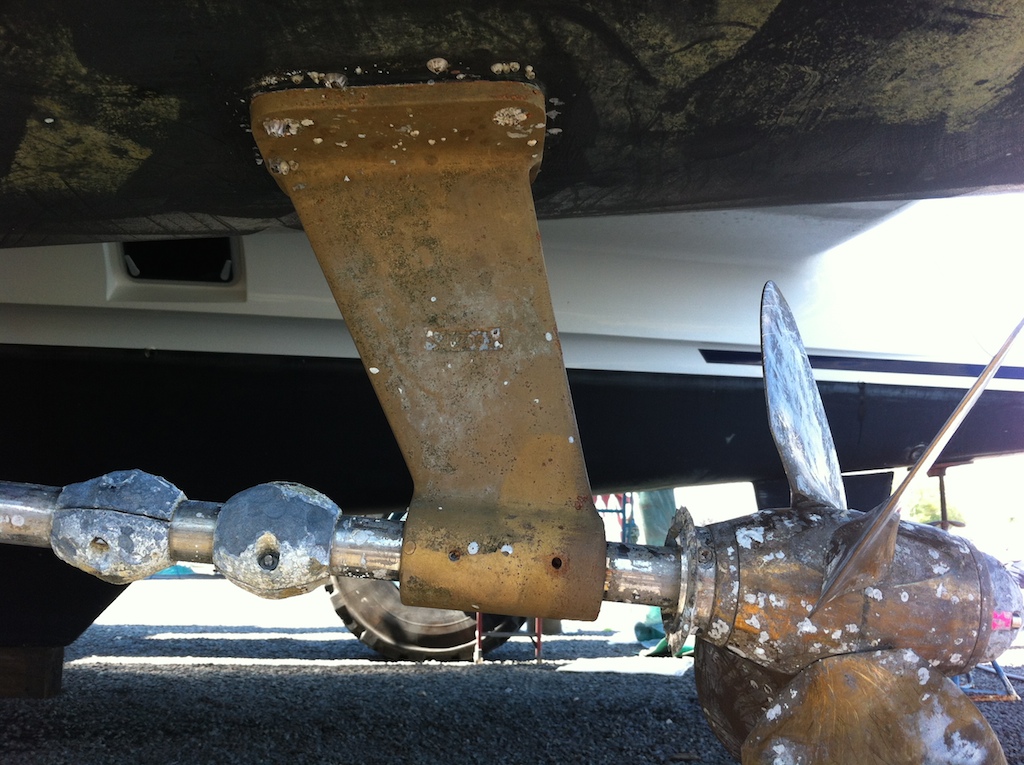
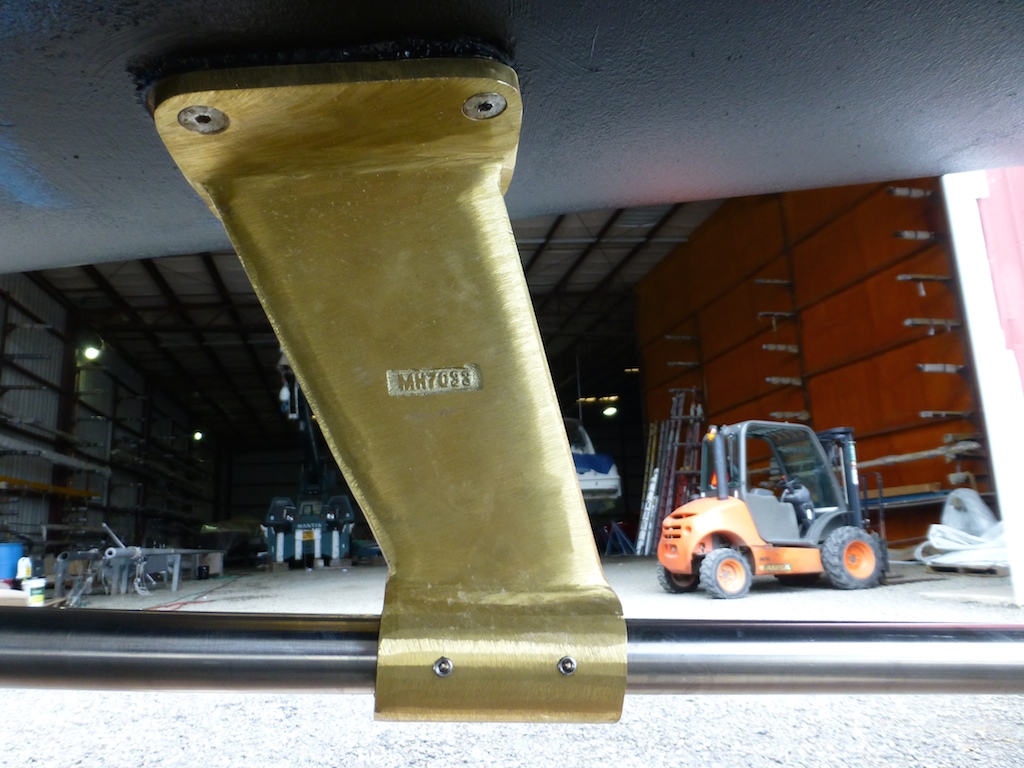
Brass strut should be straight

Brass strut should be straight


When we returned to the boat yard, we were greeted by some bad news.  The haul-out strap had hooked the propellor and bent the strut.  (Brief intro to engines:   The engine turns the transmission that then turns the shaft.   The shaft then exits the hull and is supported underwater by a strut.)  It was a shame since I had given the haul out operator the builders’ haul-out drawings. The drawings were more hurt than help since it turns out that Two Fish’s construction differs by about 1 foot. Those extra 12 inches of shaft length made all the difference.   New boats are now coming with “straps here” stickers under the toe rail.   Two Fish will also apply stickers.

The guys at the yard felt really bad. I said mistakes happen and no point in carrying a long face.   Our friend Beth ordered us a new strut, but it would take two weeks to be forged. I quickly realized our poor luck was actually opening up some new chances for fun.  But first a bit of work.


Haul Out from Two Fish on Vimeo.

Propellor Puzzle

When the boat has an issue, I go through a few stages of grief.  First, annoyance, as I have no clue what to do next.  When the dust settles, my brain starts to turn on as it is fun to work with Gail on solving the puzzle.   I start unscrewing stuff and Gail starts reading.   She ruminates on the topic while I attack the broken object. If the problem requires outside help, Gail will find the yard and I tend to work with the technician. We have learned volumes from workers.   Since we are such bad students, we have to be in school year round.  Ugh, summer school for Two Fish.
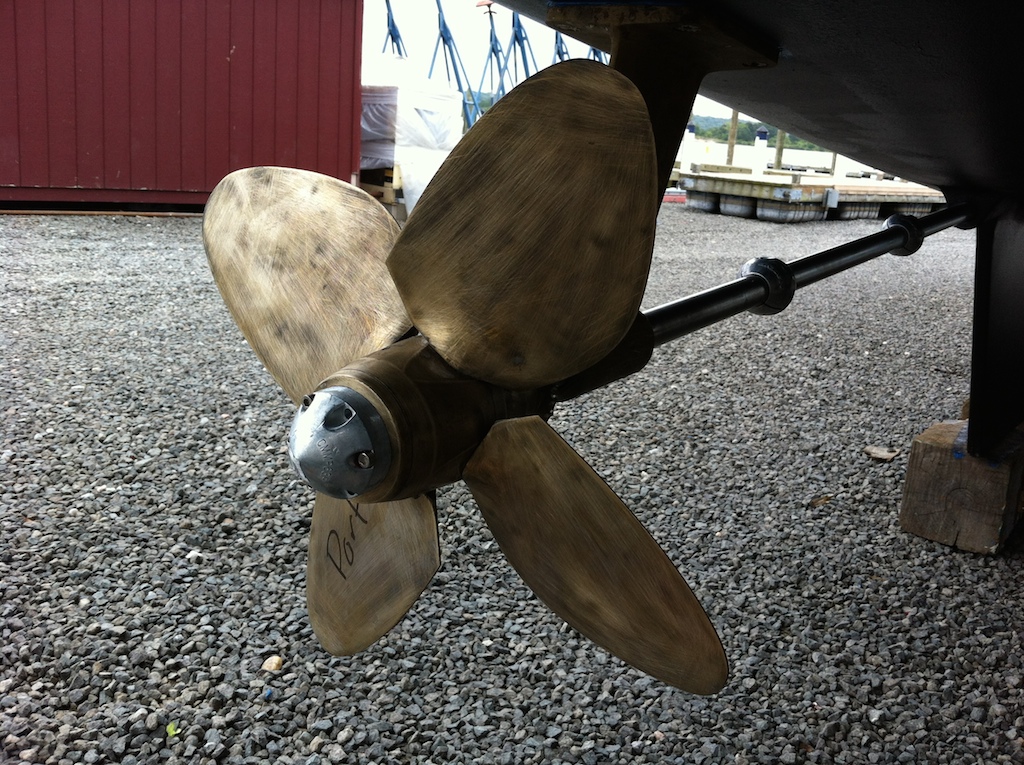
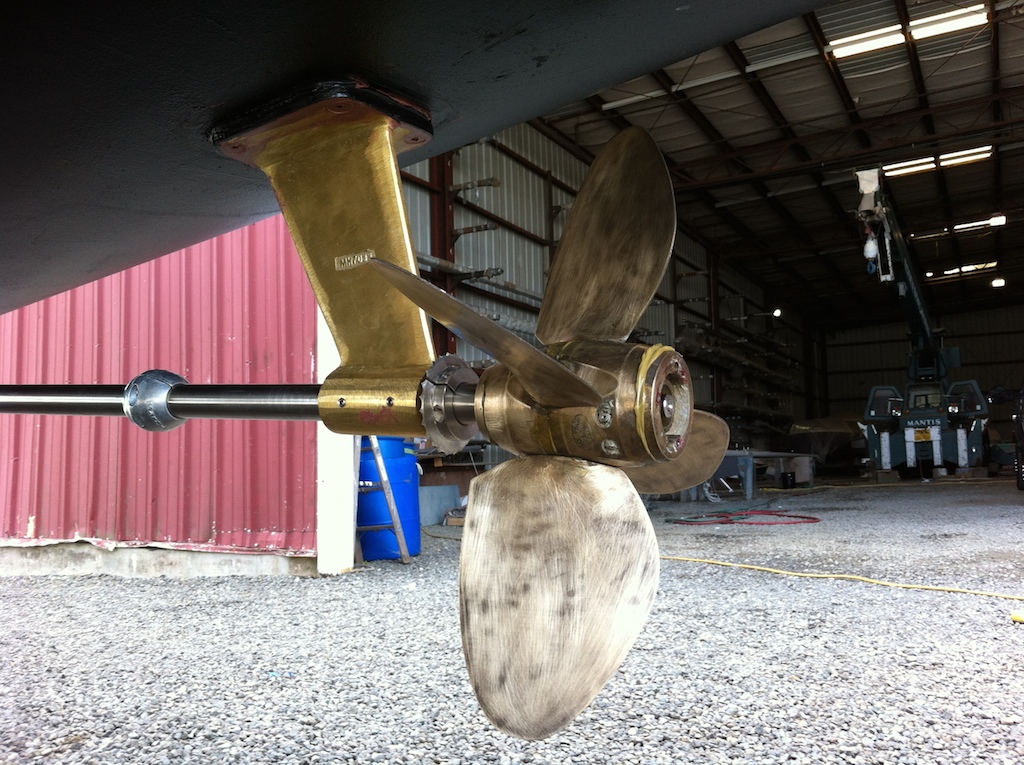
Propellor in working order

Propellor in working order

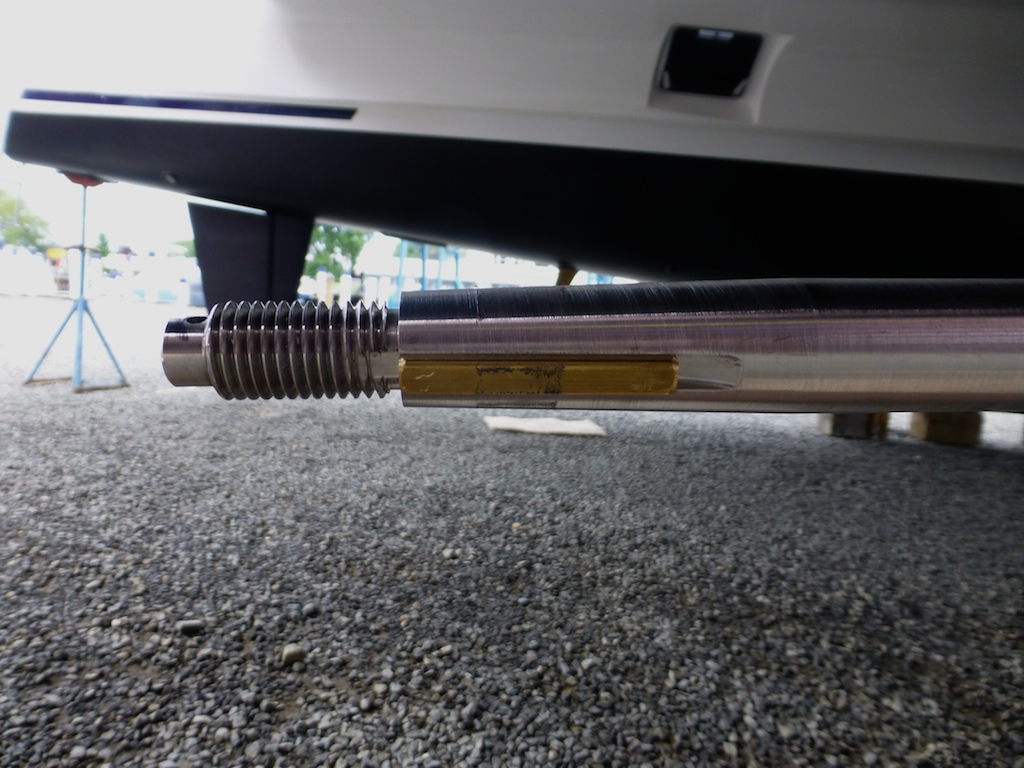
The propellor fix was going to be stressful since we would not be able to test the fix until the boat was back in the water.   The boat’s splash was delayed 2 weeks by the strut, so we would have to be patient.  I will not keep readers in suspense for 2 weeks.  The cause of the the loss of forward gear was the Max Props.  The blades are designed to rotate while sailing to create less drag.    To accomplish this feat of engineering there are gears inside the propellor.   According to the manual, the gears need to be greased every two years. However, after 10 months our grease had mostly washed out.  Lesson learned, I will now add grease anytime I have access to clear waters. When adding grease it is important prevent an air bubble forming inside the gears.   After greasing the propellors but while still out of the water, we noticed that our starboard propellor would not easily feather.   The Max Prop technicians advocated bedding blows – a fancy way of saying hit the blades through their full range of motion and the air bubbles will burp out.  It worked, and it was now time to test the boat.

We splashed in poor conditions for traversing that nasty chute.  The current was strong and the well-intentioned docks guys lost control of the lines quickly.  I should have warped the boat forward, but instead had the opportunity to perform a good test of the propellors.   If they failed, we would be serving piling sandwich for lunch.   The boat was squirrelly and I had a few shallow breaths, but we escaped without the sandwich.  The propellors came through when I needed them.  I would need their power a few more times later in the month.   A representative from the yard was aboard for this short test sail and witnessed the exciting departure.   In a stoic New England way he told me “good departure”.
Bottom Paint

We took advantage of being out of the water by doing some other necessary work on Two Fish. Bottom paints are supposed to stop organic growth on the hull. The best bottom paints are very toxic for the sea and are not legal in the United States. Other bottom paints are complex to apply and require good weather and the boat to be splashed within 48 hours of being painted.   We decided to go the low tech route.   We applied an ablative paint that is designed to rub off.   I have a few swim suits that have bottom paint styling from rubbing into the hull.  We applied 2 coats of Interlux Micron Extra with Biolux, rated by Practical Sailor magazine (consumer reports of the sea) as good but not excellent.   Our first coat was blue and the second coat black so I will be able to tell when the outer coat has rubbed off.

Cleaning Her Underbits

The shafts, propellor and through-hull covers all need to be cleaned of super-barnacles.   This species has evolved on Two Fish while travelling along two continents from cold salt water to warm brackish waters.   A grinder is required to remove the super-barnacle.   I was happy to see the hull was in  great condition, despite my reduced diving since entering Maine’s chilly waters.  We chose not to apply Speed Prop to protect the propellors from growth.   We use the boat frequently and we plan on hauling out again soon.
Thru Hull Replacement

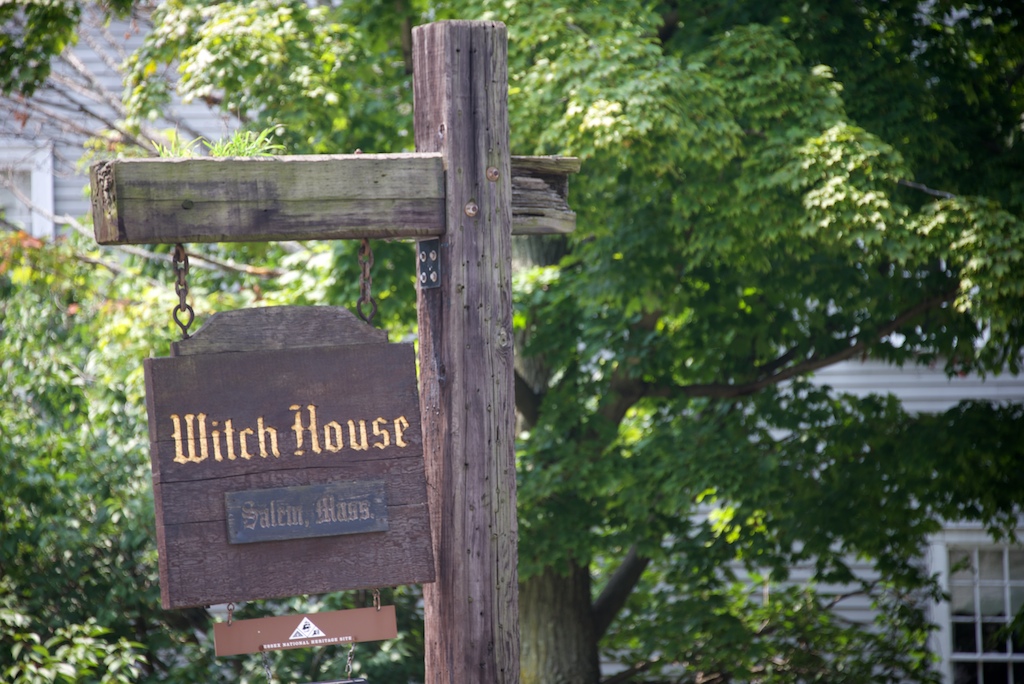
Ever since day one, a thru hull for the port head has leaked the tiniest amount.   At first we blamed our friend Darren, but we later realized his conviction was as well thought out as the Salem witch trials.  The leak was from the sea into the boat not from the head.  Our thru hulls come in 3 pieces so pieces one and two can be serviced without haul out.   Unluckily, Two Fish had a hairline crack in part three that allowed sea water to enter; this could only be fixed while out of the water.   When we first discovered the problem, we decided to use underwater sealant to arrest this leak.  It did an admirable job, but it is nice to have fixed the leak properly.  Gail surprised the yard with her vast supply of spares.  Yard guy: “It will take a week for that through hull to be delivered”.  Gail: “No problem, I have one”  Yard guy with a lowered jaw: “Really?”

Underwater Checks

I checked the rudders and also sent a photo to the builder to make sure they still looked problem-free.  No issues to worry about -they are in great shape.   Replaced 6 zincs.  The cutlass bearing inside the strut was in good condition but the set screw was not in properly.   We fixed that as well.
Shaft seals

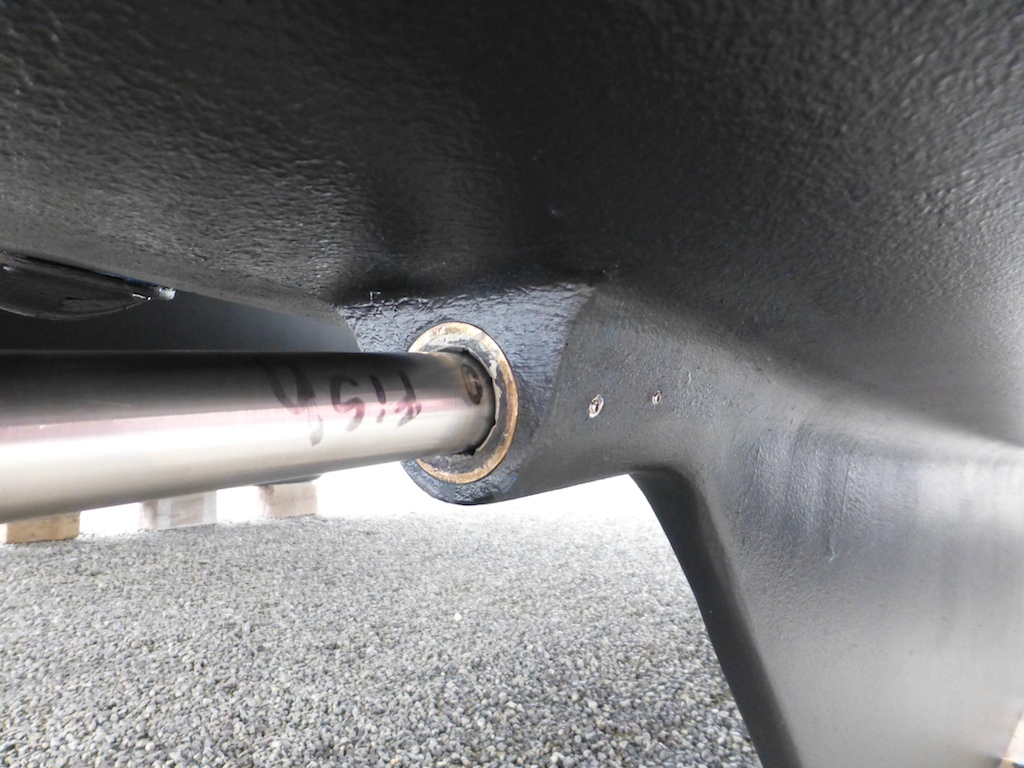
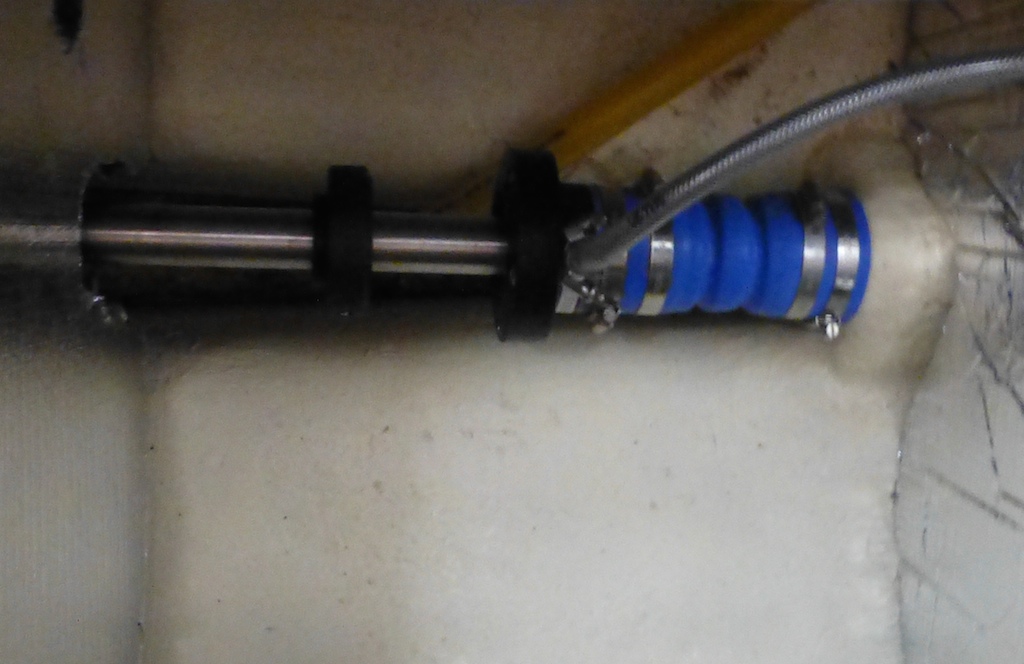
Shaft seal with replacement collar

Shaft seal with replacement collar


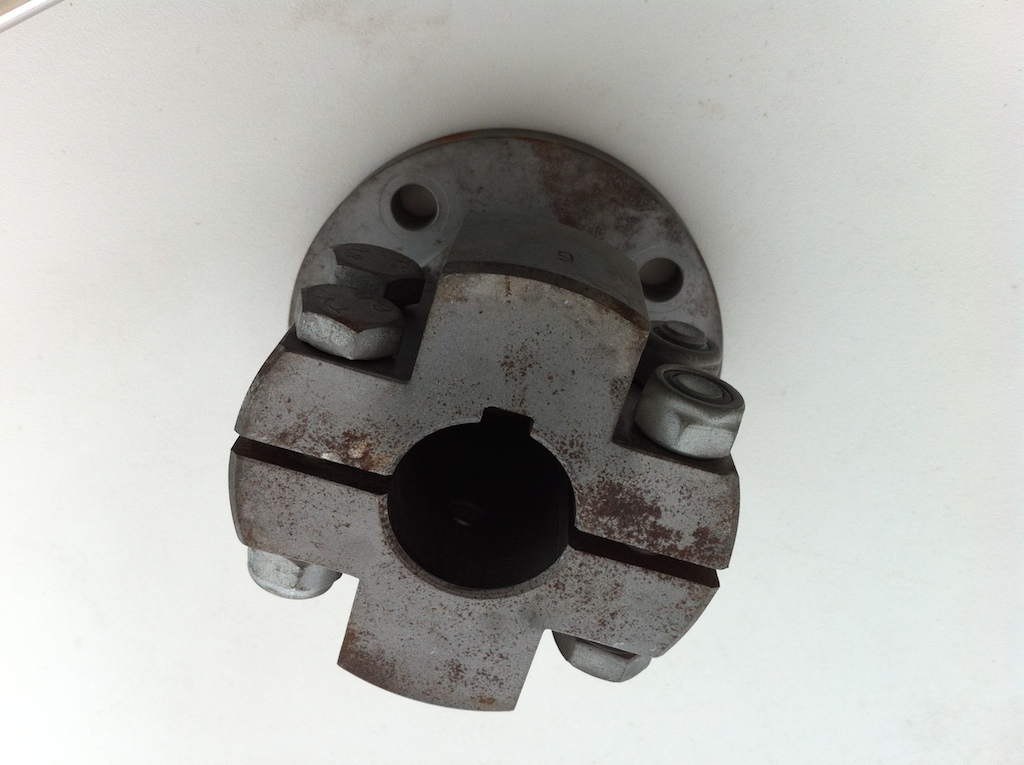
Our shaft seals were in good condition but we replaced them 2 years early so that we could install a version that allows for easier emergency replacement.   My recommendation for new boats is to ask for this upgrade on day one.  Without that second black ring one would need to detach the shaft from the coupling and march it backwards.  Not easy in a seaway.   By the way, the coupling bolts should be checked with regularity.   One friend had his seize up and another had them unscrew themselves.


Fuel polishing

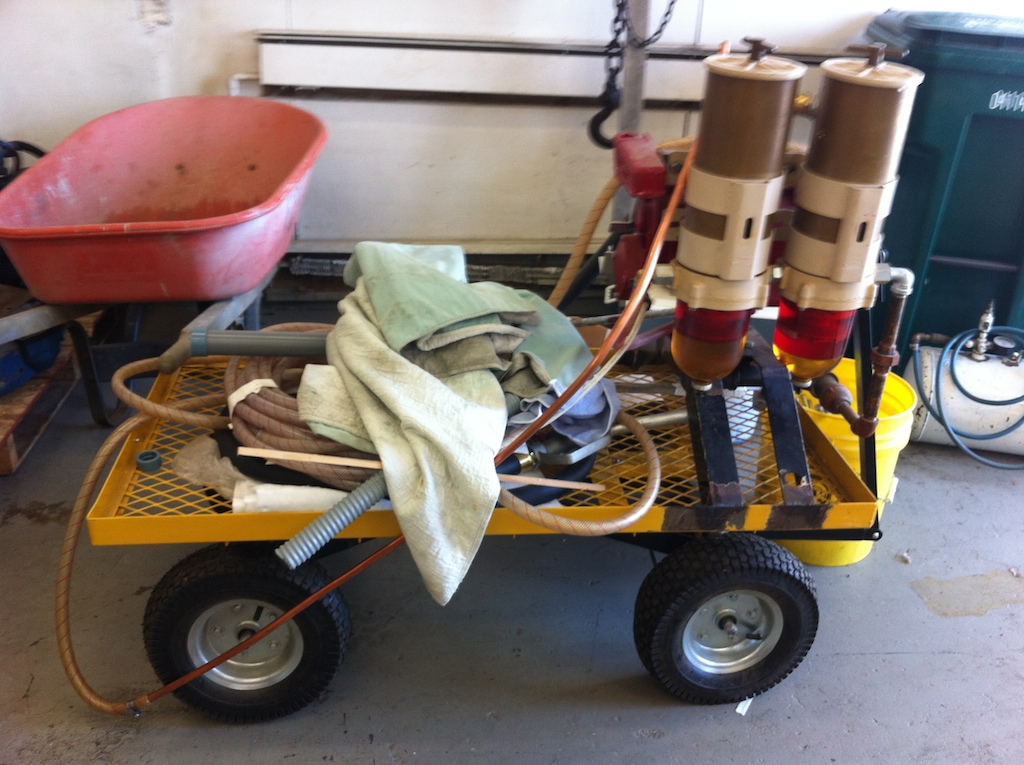
We had a tiny bit of algae in our fuel filter and I decided to get ahead of this problem.   We poured BioBor HF, highly rated by Practical Sailor, into the diesel tank.  The yard then used their fuel polishing machine to remove the algae.   Seems to have worked well.  Might have been overkill, but better than clogged fuels lines when crossing an inlet.   Despite our pleas, we were not allowed to race the polishing machine isn the town’s soapbox derby.

Yard's mobile fuel polisher

Yard’s mobile fuel polisher

Cosmetics

We also cleaned the topsides and stainless, but the process of cleaning a boat is never over.   Today I was still cleaning the teak (fake) with a ton of passion.

 Free time


Read full story  · Comments { 4 }

Brazilian Customs, Border Patrol and Police

Clearing in and out of Brazil takes time. Consider this post your seeing eye dog for a Brazilian paper pushing adventure.   Embrace the process of being lost, being told conflicting instructions by different parts of the government, and traveling through the non-tourist parts of Brazil.   Once I had the right attitude, I enjoyed living like a Brazilian –  life is always ok in América do Sul.

THE KEY PLAYERS

109px-Coat_of_arms_of_the_Brazilian_Federal_Police.svg


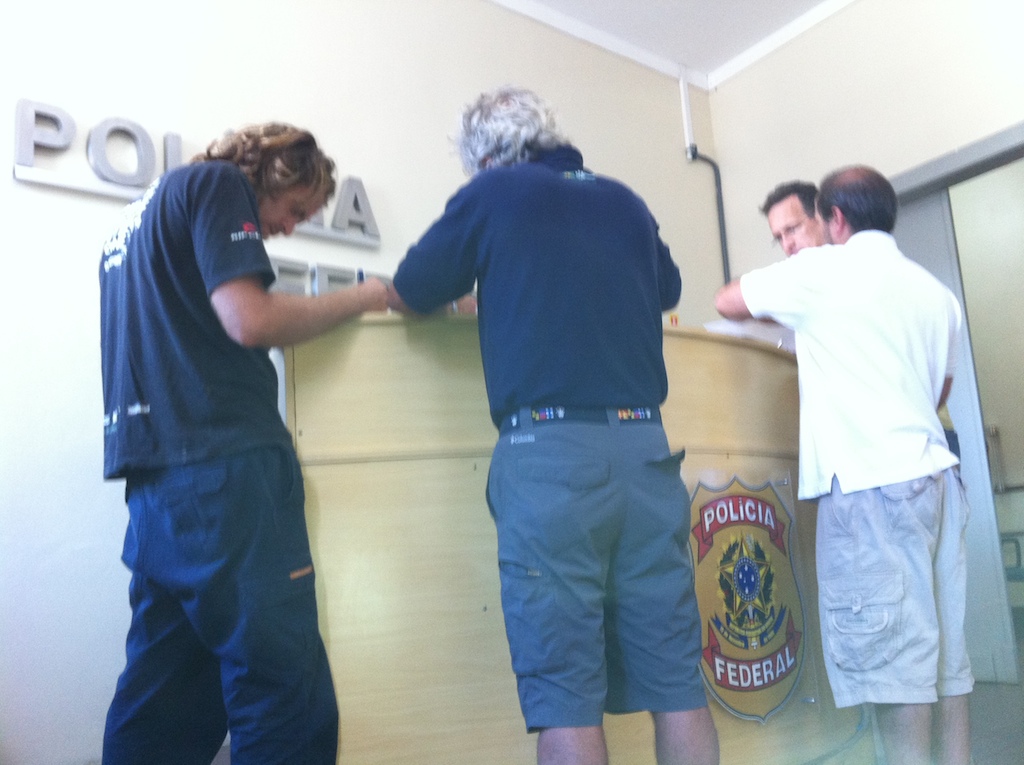
Polícia Federal:  This branch of the government is like the FBI and border patrol merged into one.  No joking with the Polícia Federal because their day job is fighting violent criminals.   The Polícia were firm, but always professional.  They stamp your passport and check your visa. They are focused on proper border entry, gun possession, time in the country, and whether your yacht is a stolen vessel.   If you stay past 90 days, they can extend your time in Brazil.  They are more concerned with the people than with the yacht.   I approach all entry agencies holding the passports of the entire crew and acting as agent for the crew.   This makes it much easier to appear organized for the Policia.   At the end of process, the Polícia will ask to see the crew.

Check in at Policia Federal

Check in at Policia Federal

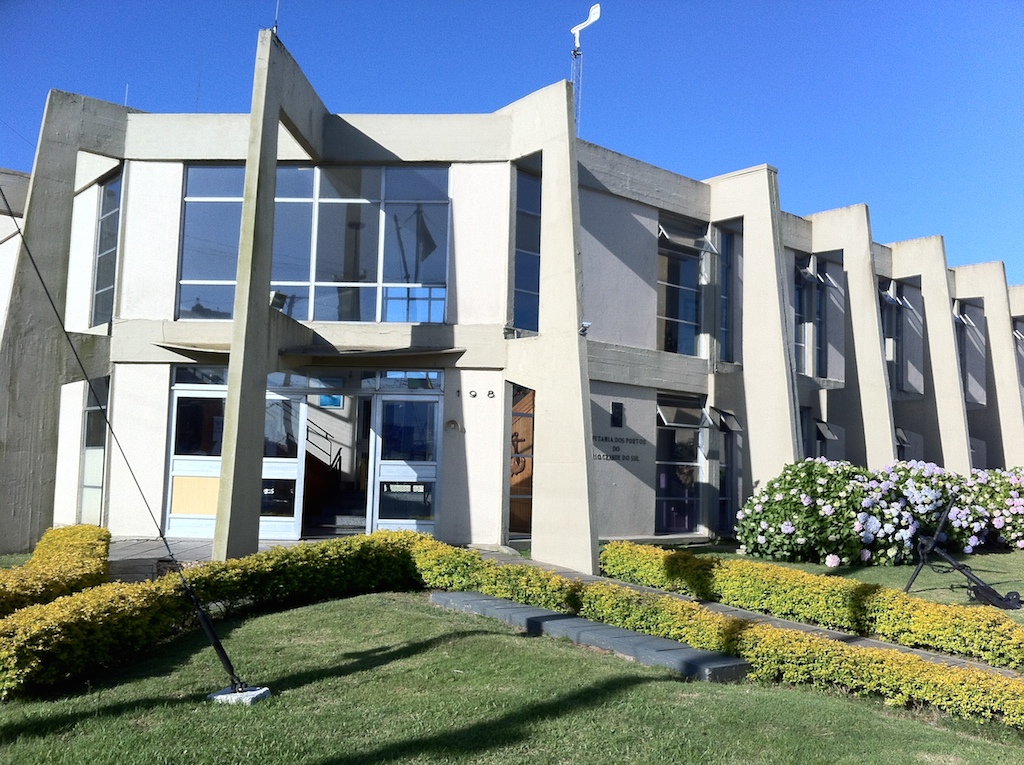
Capitania dos Portos

Capitania dos Portos


Capitania dos Portos (Marinha do Brasil):  The Port Captain is the Brazilian Coast Guard and is part of the Brazilian Navy.  It is good to have their emergency number programmed into your satellite phone.  They are the only department you visit that goes to sea.  We were never boarded, however, we did see two boats being boarded by the Marinha do Brasil while we were in the north.  They expect ALL visitors to be dressed properly in long pants, shoes (not flip flops) and a collared shirt.   This is good policy for all the Brazilian offices and expect to be turned away if  you don’t comply.  I always enjoyed visiting their offices, since they were often stationed inside a major working port.   These offices tended to have the longest lines, but the staff were very friendly.


Capitania dos Portos

Capitania dos Portos


Receita Federal

Receita Federal

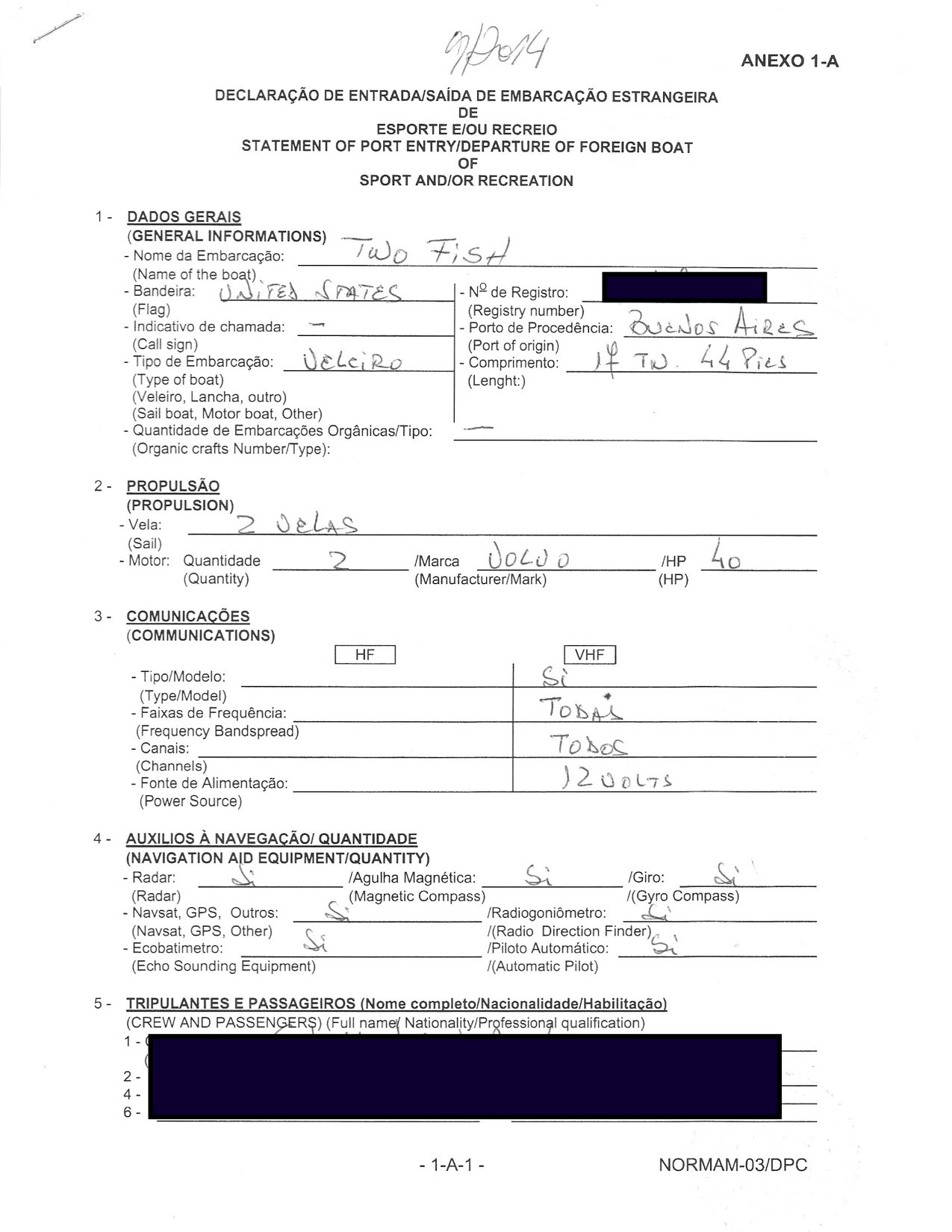
Receita Federal:  The Receita Federal is the Brazilian IRS and Customs Department.  The Receita are not interested in your safety, rather your wallet.   Brazil has a 100% boat importation tax and unscrupulous Brazilians try to avoid the tax by flying a US ensign.  The Receita’s job is to encourage the tax cheats to rethink their decision and pay the mandatory tax.  At our first Brazilian landfall, we had to meet the taxman an excruciating four times.   They were concerned that Two Fish was a sailing charter business because she is owned by an LLC.   Receita agents insisted on boarding the yacht which I think was driven by curiosity after seeing the yacht’s assessed value.   The agents boarded with black soled shoes and asked to see our ship’s log.  The collection of 4 meetings went from 9am to 7pm.    I found these folks to be buffoons and bullies.  So they have something in common with the US revenue service?   Good news is you only need to see them twice (entry and departure from the country).     Warning: they want to know your last port in Brazil.  The best port to use is Fortaleza since this is the farthest northern town a Yacht would enter and gives you more flexibility in departure.

Papers you need

1)  Passports of all crew with Brazilian Visas

2) Certificate of Documentation (Department of Homeland Security – US Coast Guard):  I always furnished a color copy and was never asked for the original.

3) If your boat is owned by an LLC, then papers that show you are allowed to control this boat.   I talked about this in a previous post.

4)  Initial entry documents from Uruguay will only be needed for your first port of call.

Papers I had but never showed

1)  Insurance

2)  US radio license

3)  ASA sailing certificates

4)  Marriage and birth certificates

5)  Vaccination cards from our doctors

Process

First landfall in Brazil

1) Polícia Federal:   They will stamp your passport and inspect your visa.  Your passport will not be stamped again till departing the country but will be inspected in every state.  The Polícia Federal will give you a “Passe de Entrada” de embarcação  (Entry pass for a ship).   Do not throw out the “Passe de Entrada” as you will need to return it  to the nice fellow who just gave it to you when you check out of this port.   You will always have either a Entrada or Saída when in Brazil.  This will prove you are either checked in or checked out.  We have a notebook where we keep of all of the ship’s papers and we bring this on our official visits to reduce the chance of forgetting a document.   We do scan many of our key documents and store them on the cloud.   Also, we sometimes only furnish a copy to protect the original.

There are many Polícia Federal in larger cities, so ask other boaters or the marina and they might send you in the correct direction.  In most northern cities the marina will ask you to travel by cab or face certain death.  To compare this to an airport, after the Polícia visit, you have made it passed border patrol and can go to the luggage carousel but you are not really in the country.

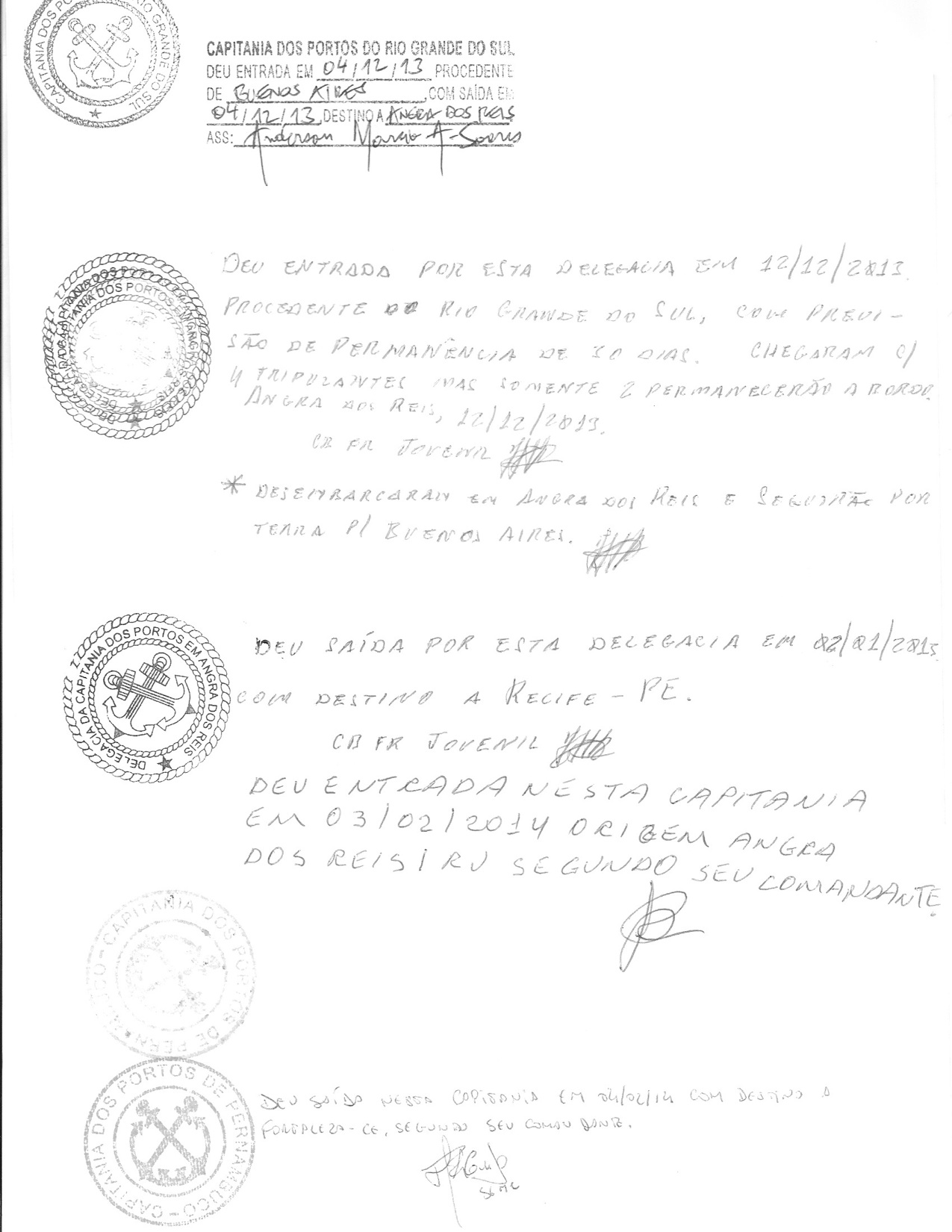
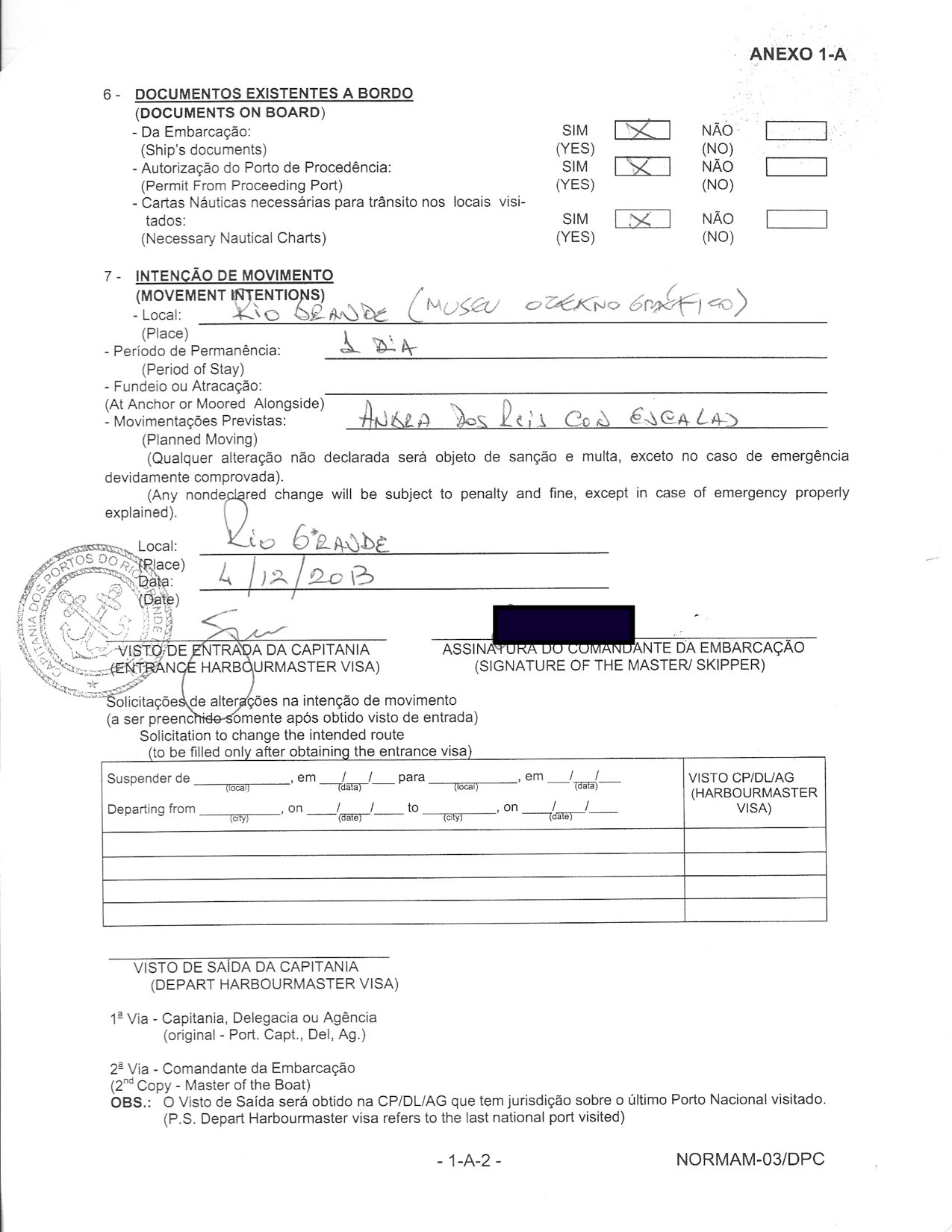
2)  Capitania dos Portos:   The port captain will ask you to fill out a 2 page form with odd questions such as your engine’s horsepower and whether the boat has a VHF.   This  is another do not lose document.  It will be checked for the entire Brazil trip and not swapped like the Passe de Entrada.   The Port Captains across the country create a memento for you, by stamping and signing this at every port you check into.  Think of this document more like a passport for the boat.   Some Port Captains have AIS, so make sure your story at the office matches your arrival time in that remote bay.


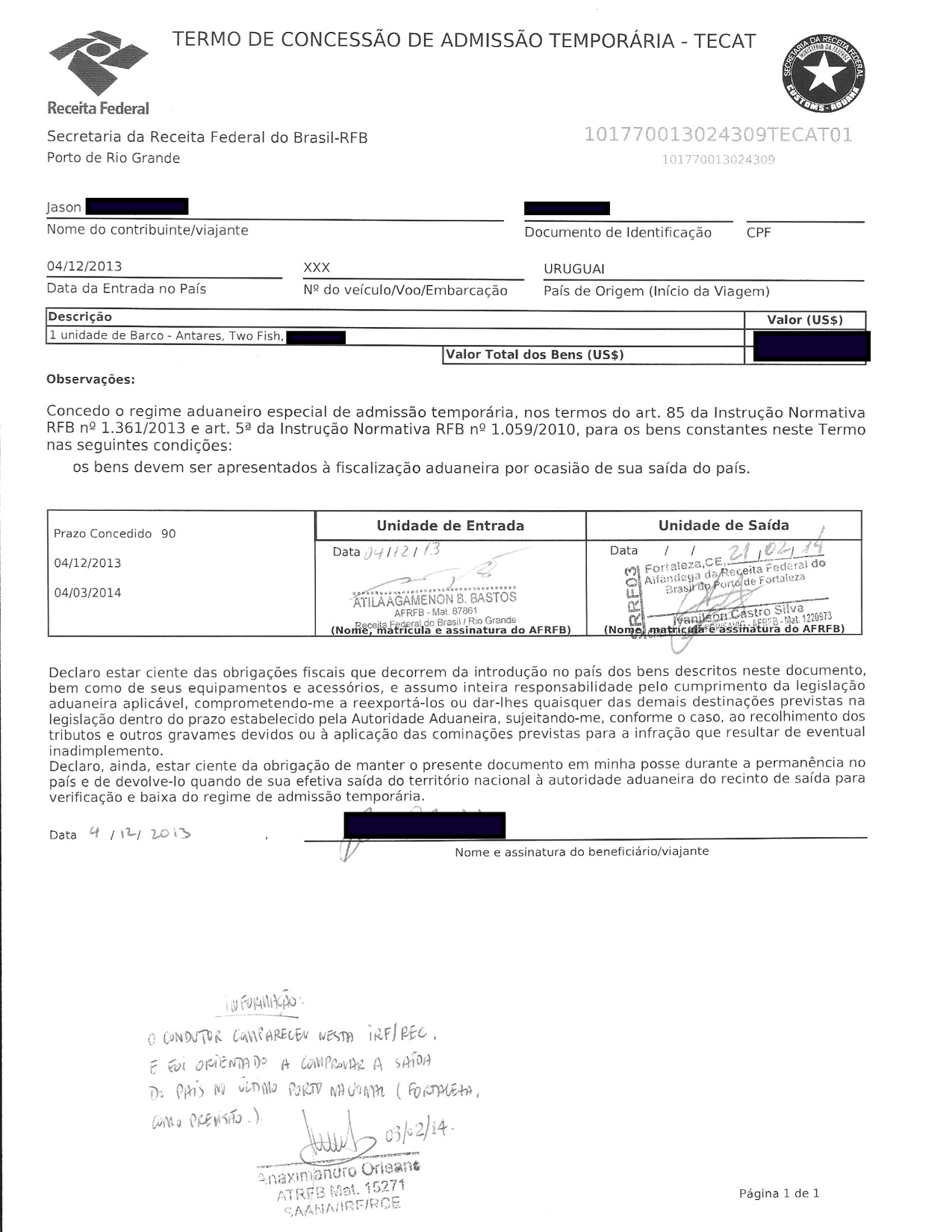
3)  Receita Federal:  After being water boarded by the Receita they will give you a one page document, the TECAT (Termo de concessao de admission temporaria).  The TECAT will need to be shown many times in the future.  The document gives you the right to enter your yacht without paying tax because you are transiting and not staying or running a business.   Keep it close to your Coast Guard documentation as it is a favorite of the paper pushers.   You will only visit the Receita at your first and last port in Brazil.


TECAT - Temp Importation

TECAT – Temp Importation

Exiting a state but staying in Brazil

1) Polícia Federal:  Hand back your  “Passe de Entrada” and get a “Passe de Saída”.   Show Polícia but keep passports, TECAT, and Port Captain documents.

2)  Capitania dos Portos:  Another stamp for your collection on the “Declaracao de Entrada/Saída.   They will also ask to see the Passe de Saída that you just received from the Polícia.

Entering a state but already cleared into Brazil

1) Polícia Federal:  Hand back your “Passe de Saída” and get a new “Passe de Entrada”.   Show Polícia but keep passports, TECAT, and Port Captain documents.

2)  Capitania dos Portos:  Another stamp for your collection on the “Declaracao de Entrada/Saída.   They will also ask to see the Passe de Entrada.

Leaving Brazil

1) Polícia Federal:  Imagine that now you are flying out of the airport.  They will give you an exit stamp in your passport and your final Declaracao de Saída.   If you expect your stay to be longer than 90 days, then this office may offer you an extension.

2)  Capitania dos Portos:  Your final stamp – they will let you keep the memento of your trip.

3)  Receita Federal:  Despite threats from the taxman, Two Fish was not confiscated or taxed 100%.   The Receita will also give you a exit document.  I would keep this if I planned to return to Brazil.

The Navy

The Navy

When to check-in

US vessels are supposed to check in and then out every time they sail into a new Brazilian state.   We did not follow the rules 100%.   We skipped checking in while in remote locations, on very short stays and on non-business days.   We also typically checked in a day after arriving in a new state.   Forgiveness for late check in was easy to find but permission was impossible.   The dream bureaucratic maneuver was the combination check in and check out.  Like a unicorn it is written about but rarely seen because this shortcut is  reserved for yachts that arrive in the morning and leave in the afternoon.   A few times we got a pet unicorn for stays longer than 2 days.


Brazilian State Did we stop? Check in?
Rio Grande do Sul Yes Port of Entry (3 agencies)
Santa Catarina Two stops No
Parana No
Sao Paolo No
Rio de Janeiro Four stops Once
Espirito de Santos Yes No (only stopped at offshore island)
Bahia Two stops Checked in at second stop
Sergipe No
Alagoas No
Pernambuco Two stops Checked in at second stop
Paraiba Yes No
Rio Grande do Norte No
Ceara Yes Yes


TOP SHORTCUTS

1)  Check in Check out on the same day (disused earlier)

2) Website  (www.edbv.receita.fazenda.gov.br)  This just started when we arrived so we filled out the form online but in the Receita offices.

3)  Finding the offices:   Do not ask for immigration or customs or any similar American places.   They will not make sense to Brazilians with decent English.  Instead use the proper Portuguese names that I have included in the post.

4)  When you arrive at the offices use the term “Entrada or Saída par un embarcacao veleiro”.

5)  Do not have your entire crew come to the desk, just the captain.


With the right attitude you can enjoy these trips.  We did.

Read full story  · Comments { 2 }

Stops Along the Way

Did Hitchock made a horror movie with a house that moved to a wildly different place each day?   The characters go slightly mad over time as they get lost searching their new streets for supplies. That is life aboard Two Fish except we have not gone mad, yet.   The vagabond life throws curveballs.   What type of docking or anchorage will we face tonight?   How do we get ashore? We usually take the surprises with a smile but sometimes a temper tantrum is in order.   The boat rule is that only one person at a time is allowed to behave like a three year old.  As soon as we are comfortable in our new community, the anchor must be weighed as the cold air from the north is inspiring us south.

For each of our new neighborhoods, there is usually a reason why we are glad to arrive and a different reason why we become eager to get going again. Choosing the anchorage, mooring or dock is a bit of a roll of the dice but we try to improve our odds by researching the cruising guides. More is better?  I bought both Maptech and Dozier Waterway cruising guides, Great Book of Anchorages, and Skipper Bob’s Anchoring in the ICW. For extra measure, we have the paper charts: Maptech Regional Chart Kits. So if you are following in our wake, this is The Two Fish pocket cruising guide.  However, the facts of the day can make a wonderful spot horrible.  Who does not love a small town on a warm day with a gentle breeze.   On the other hand, a nasty current and a nasty waitress could ruin a visit to someone else’s favorite stop. The joy of cruising is to make the best of where the ball lands.   The spot in the map above is as close as I could get to Two Fish’s lat/lon while we were at each location.

Padanaram/South Dartmouth/New Bedford Yacht Club

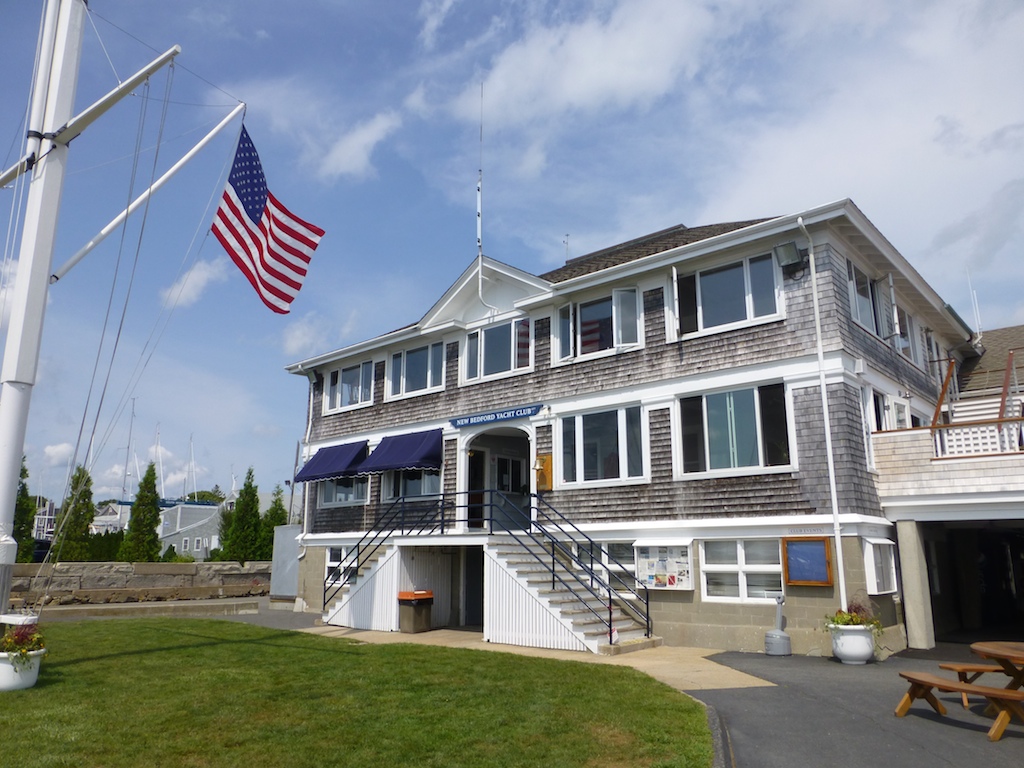
New Bedford Yacht Club

New Bedford Yacht Club

The two-page ad in the cruising guide promised ice cream, quaintness, and cafés. They had me at ice cream.  This seemed like a good place to stop after our nighttime transit of the Cape Cod Canal. We radioed the club and got directions to our mooring ball. Time for a nap.

An hour later, we were told that the person who owned the mooring ball, after

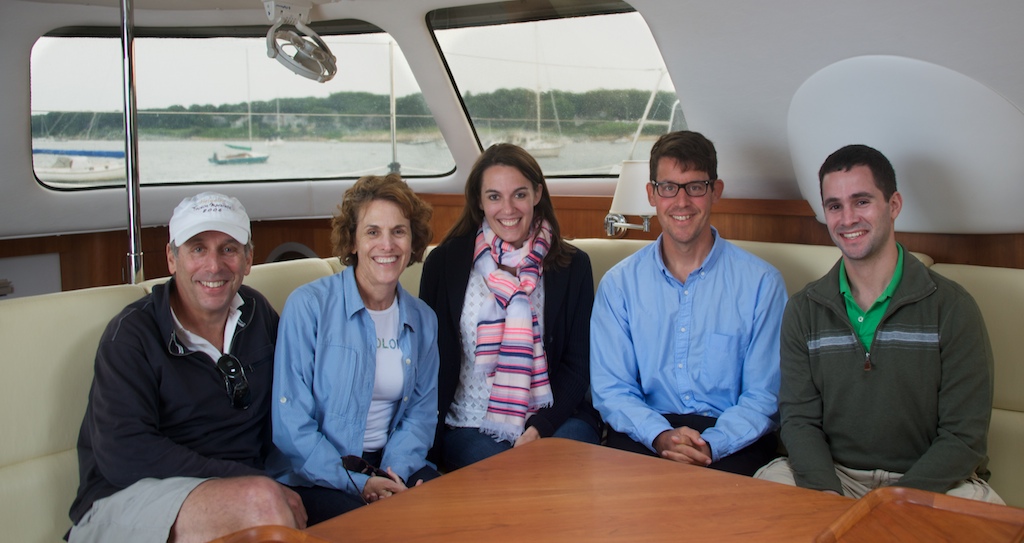
Surprise Visitors - Ken and Family

Ken and Family

spending all season out of the water, had just decided that they needed their boat in the water NOW. Time to move – except with our droopy eyes we managed to hook a line in the rudder as we were departing. Jason hopped in the icy water to free the line. The launch driver was very helpful. Our next surprise noise was much better-Ken and Family just happened to have a boat in that harbor and sailed right by. It was great to catch up with the local sailors for drinks aboard Two Fish.

We had a couple of good meals at the Sail Loft down the street and enjoyed the feel of the club. Also, I always appreciate a mooring ball with launch service.  The up and down of the dinghy is easy but a launch is easier!  (BTW … Jason does most of the dinghy operation)

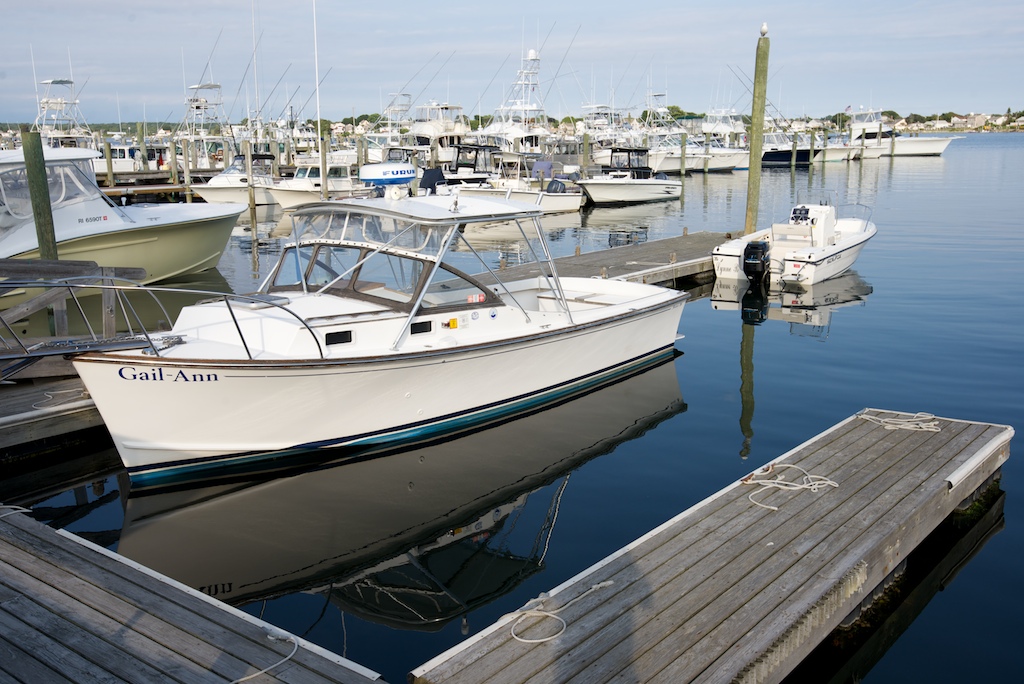
Point Judith Marina

I read some great reviews of the service at Point Judith Marina plus they were a Volvo Service center so the next stop was an easy choice. We were still having some issues with air leaks in our fuel system for our Port Engine and we planned to spend a week there to sort things out. This was a fantastic stop: Chen & Nancy drove up from NYC, Calypso joined us at the dock for a few days, Bud helped us sort out some Two Fish issues, Tim (the service manager at the marina) was super-helpful organizing all of our work, and the neighborhood was very summer New Englandy.  (This post is over a month delayed  so Rhode Island was warm back then.) As an added bonus, Newport Bikes (great store) helped me fix my folding bike and we took our bikes for a spin around Jamestown. It was a very full week and I would definitely return.

Bike Ride from Jamestown

Essex/Brewer’s Dauntless

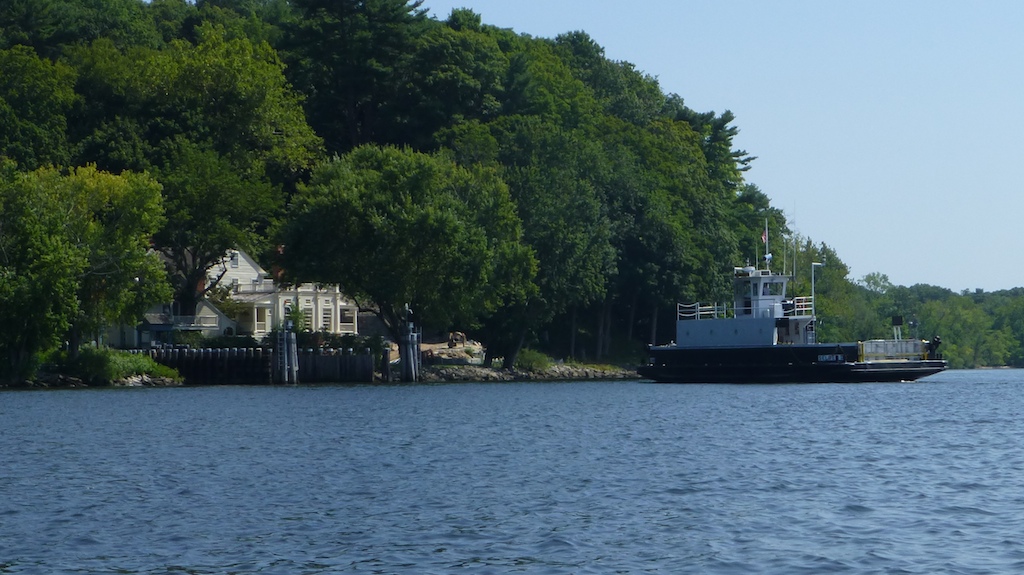
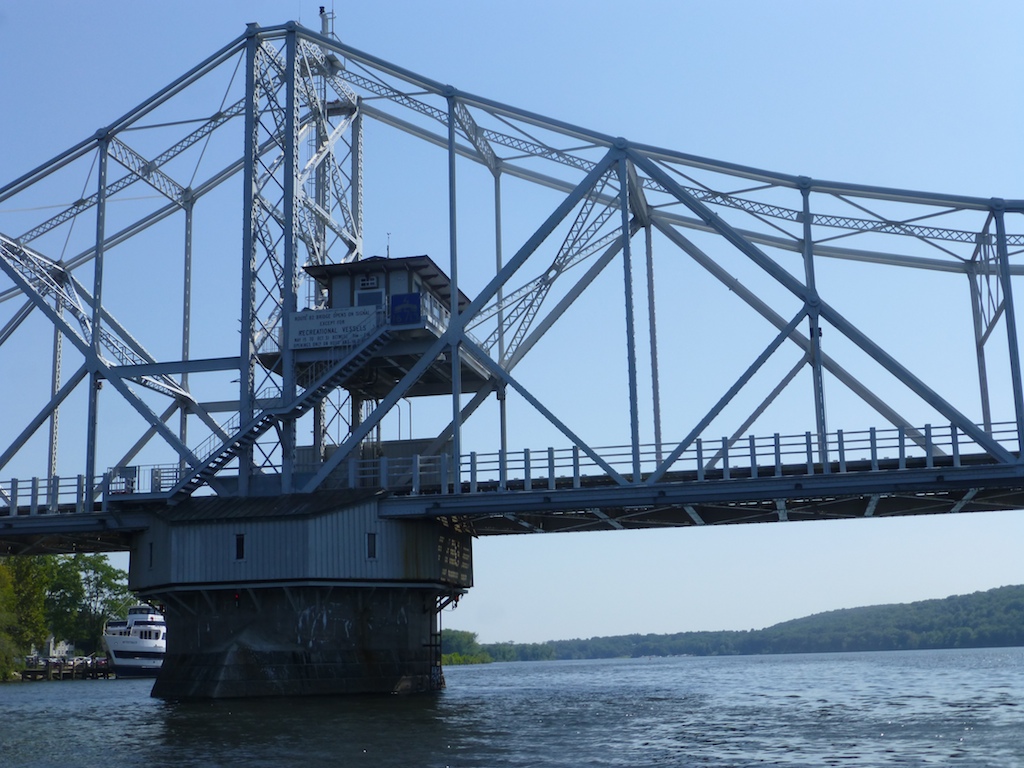
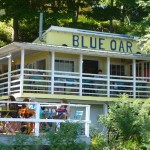
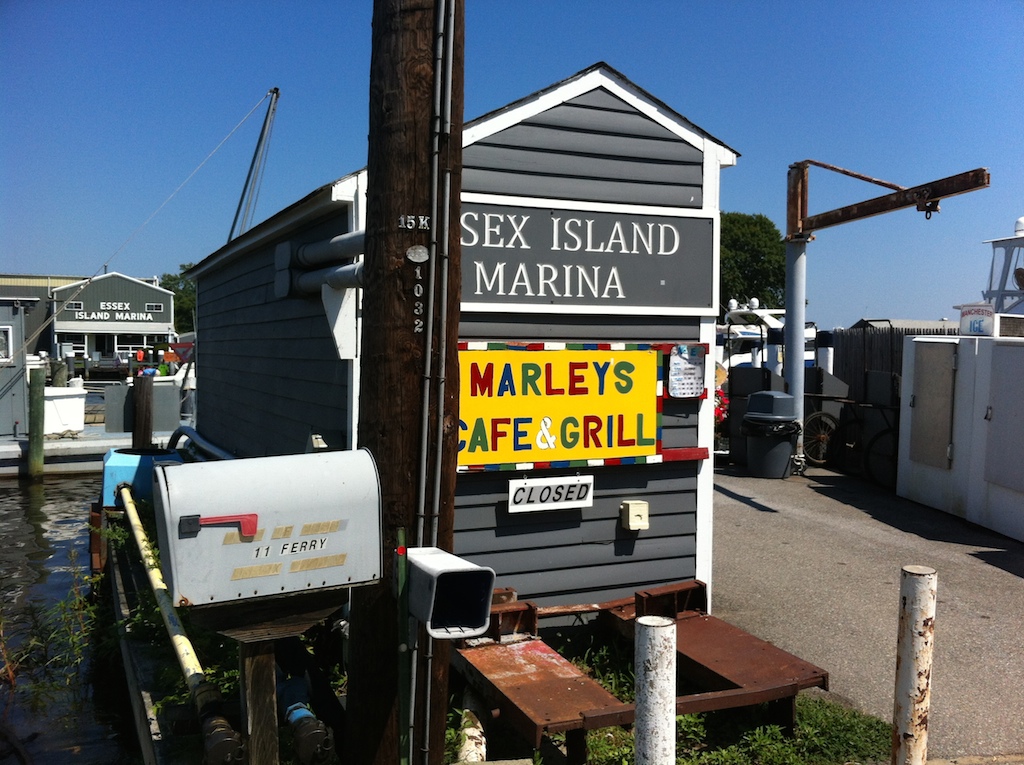
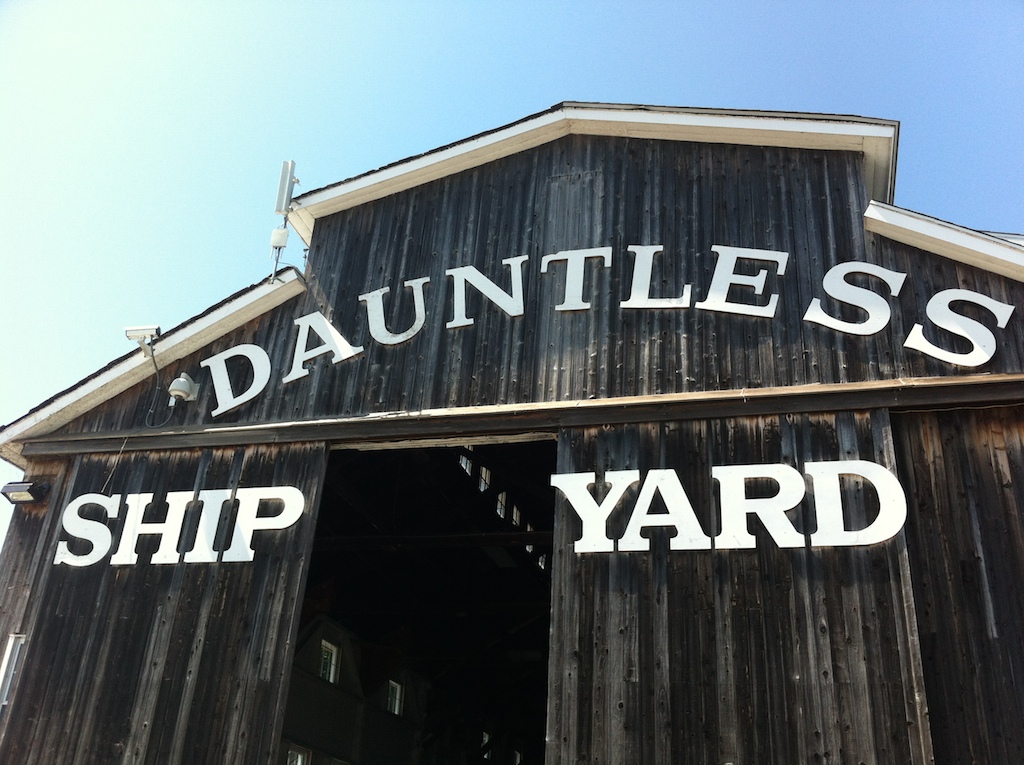
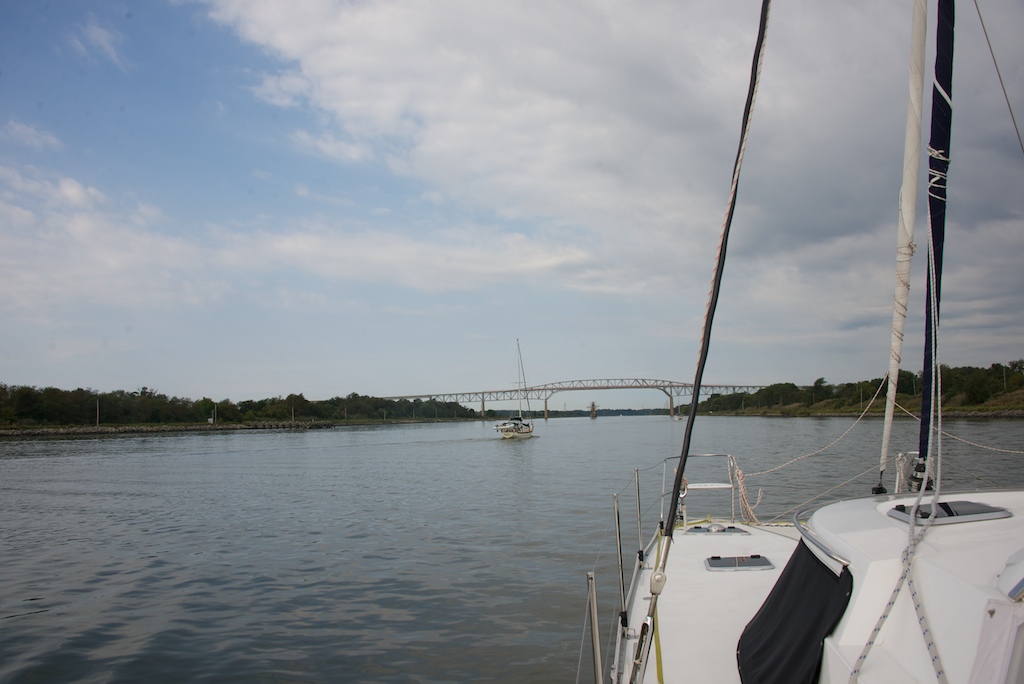
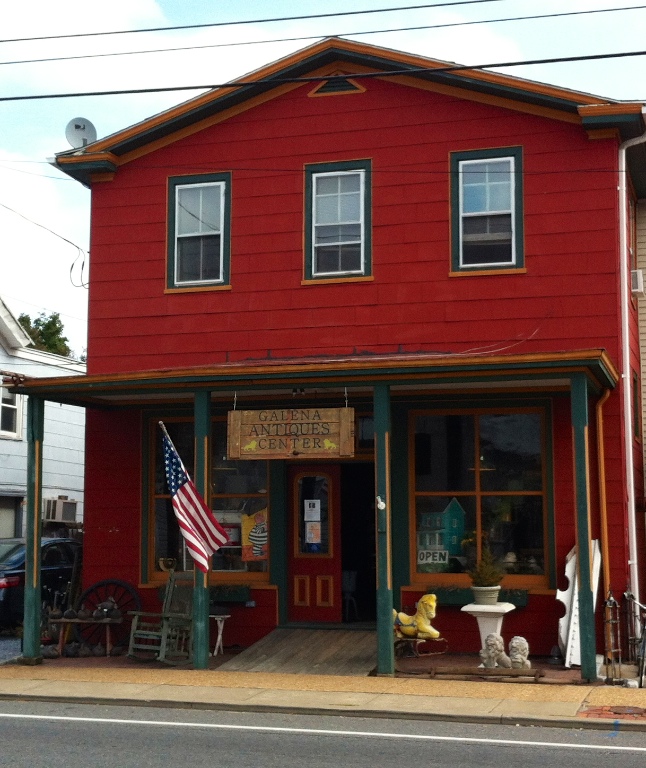
The previous time that we went to the Connecticut River, we stayed at Saybrook Point Marina. Great people at the dock but we could only fit on the fuel dock and it was a bit bumpy for our taste. So I would recommend it as a convenient stopover near the mouth of the river, but not for an extended period. On our return trip, we decided to explore the river and pass under two bridges to get to Essex, CT and a mooring ball at Brewer’s Dauntless. I can’t really judge Brewer’s because our stay was cut short. Actually, it almost didn’t happen. Read Jason’s post on our Haul Out to get the full story. We took the launch into town for dinner. Little did we know that we would soon get to know both restaurants in town really well. We got some great recommendations for our extended stay and enjoyed Otto Pizza in Chester, the Blue Oar in Haddam and Marley’s Cafe in Essex(great fish tacos and a 10 yard ferry ride). If you visit, be sure to try the breakfast burrito at Olive Oyl.

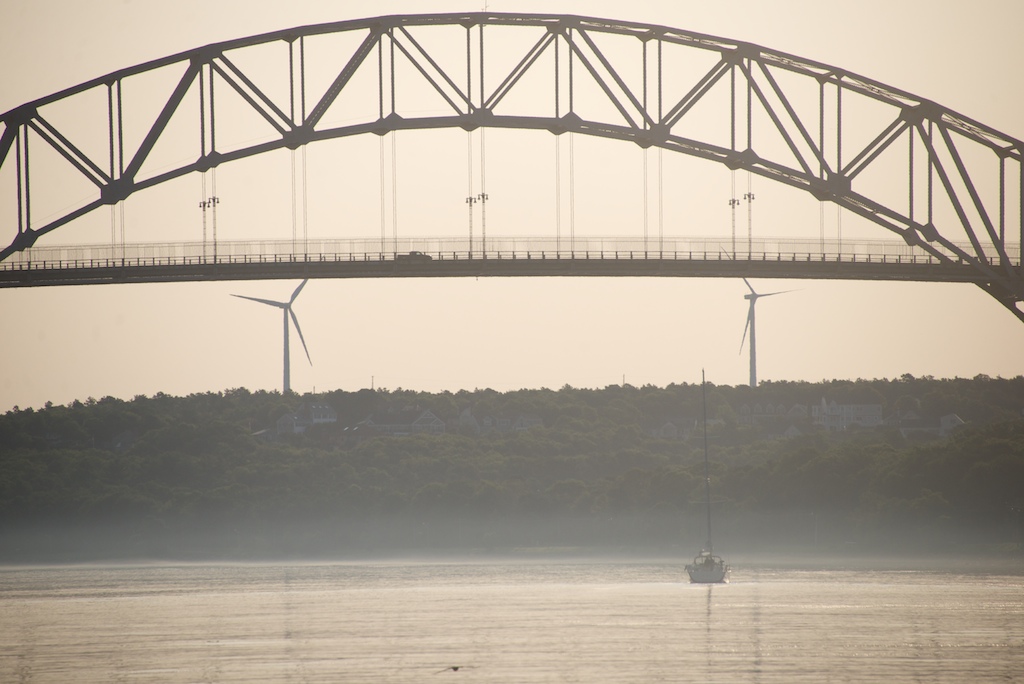
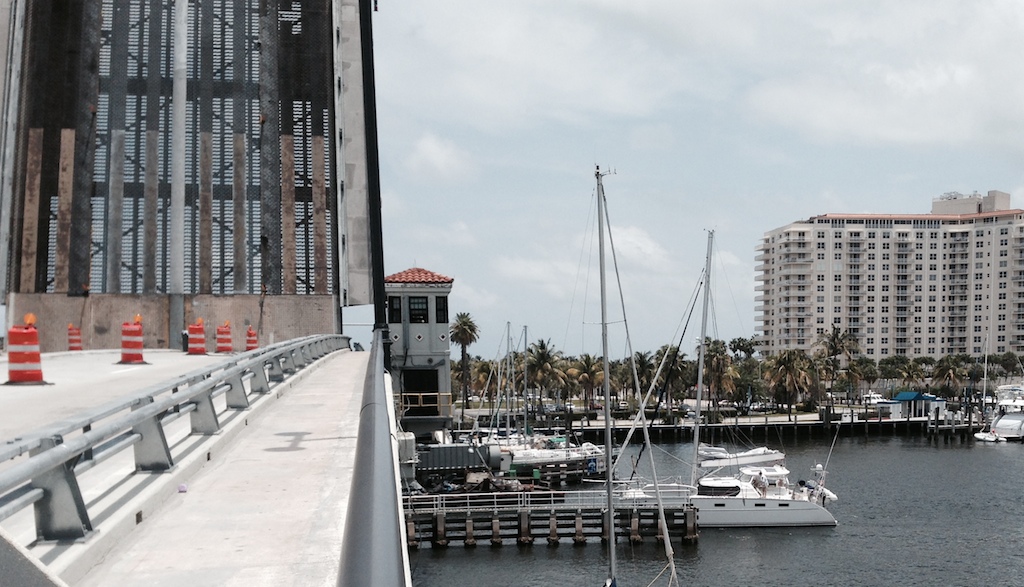
We finally got back in the water and were on our way to NYC, but not before a second pass under the bridges. If you do head up this far, remember that the Old Lyme Drawbridge only responds to “Old Lyme Draw” on VHF 13 and only wants to hear from you when you are a few minutes away, or, as the bridgemaster said “Two Fish, we may raise and lower the bridge five times before you get here”. For the record he raised it zero times before our arrival but the operator has a flair for the dramatic and the charm of an ogre.

Passage to NYC


Liberty Landing Marina

We decided to stay across the Hudson from Manhattan after hearing that it was an easy place to pull into and that it had good facilities. I had called the day before to make sure that our projected early morning arrival was not a problem. When we got to the harbor, they told us to wait a half hour and then we were directed to the spot where 30 foot motorboats dock; we had been promised an end tie. It required three turns in tight spaces. We should have refused, but we went in with Jason deftly maneuvering Two Fish – the problem was “how would we get out”. In fact, not 5 minutes after we docked, another sailboat in a tight spot ended up crashing into 3 boats on her way out, bending another boat’s anchor and removing 7 of their own stanchions. We finally got a new spot and Jason magically got us out. After that we enjoyed our stay before setting off the next morning for our trip South.


One more glympse

One more glympse

Read full story  · Comments { 3 }

Onward to New Jersey

Our unsuspecting crew joined us early Saturday morning for a late summer overnight cruise from NYC to Cape May. After the usual safety briefing, we entered New York Harbor heading towards the Verrazano Narrows Bridge. That was about the last I saw of everyone as the seas kicked up and the wind continued to build. Jason, Amber and Clifton rotated watches and I “relaxed” in the master cabin. Not many photos since everyone was focused on the sailing.

The wind made sure that we arrived early to Cape May so we hove to and waited for an early morning entry. Surprise – another challenging dock – 90 degree tight turn with current pushing us towards another boat. Jason mastered the turn and our neighbors later chuckled as they informed us that that was the spot that first-timers often get. Next time we’ll know what to ask for.

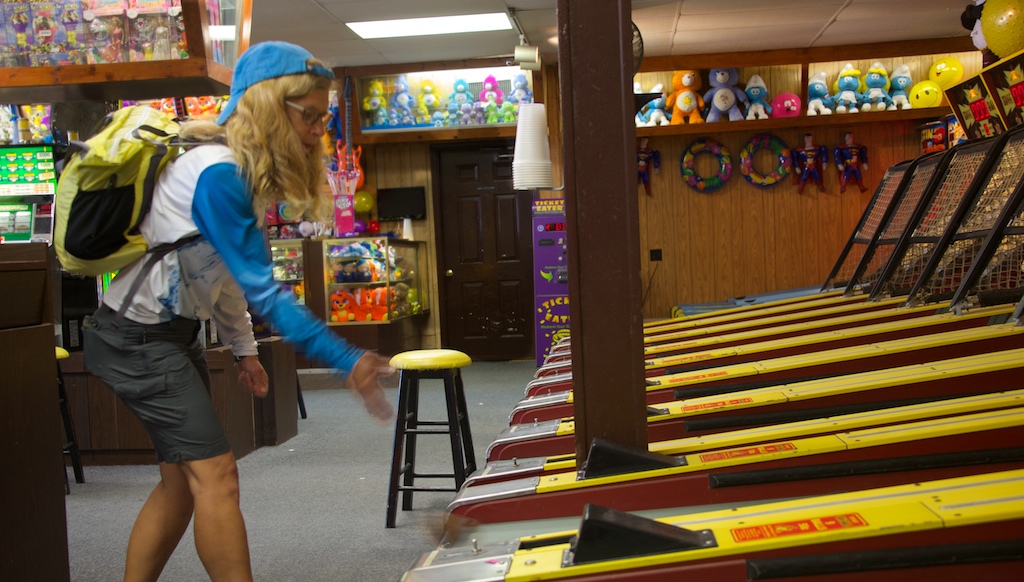
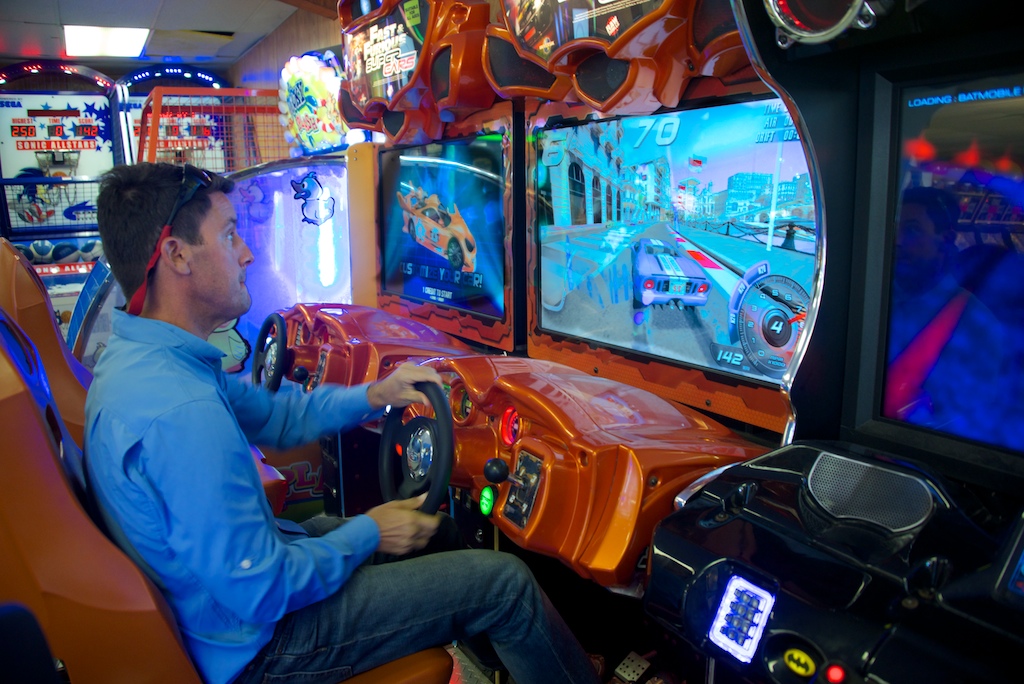
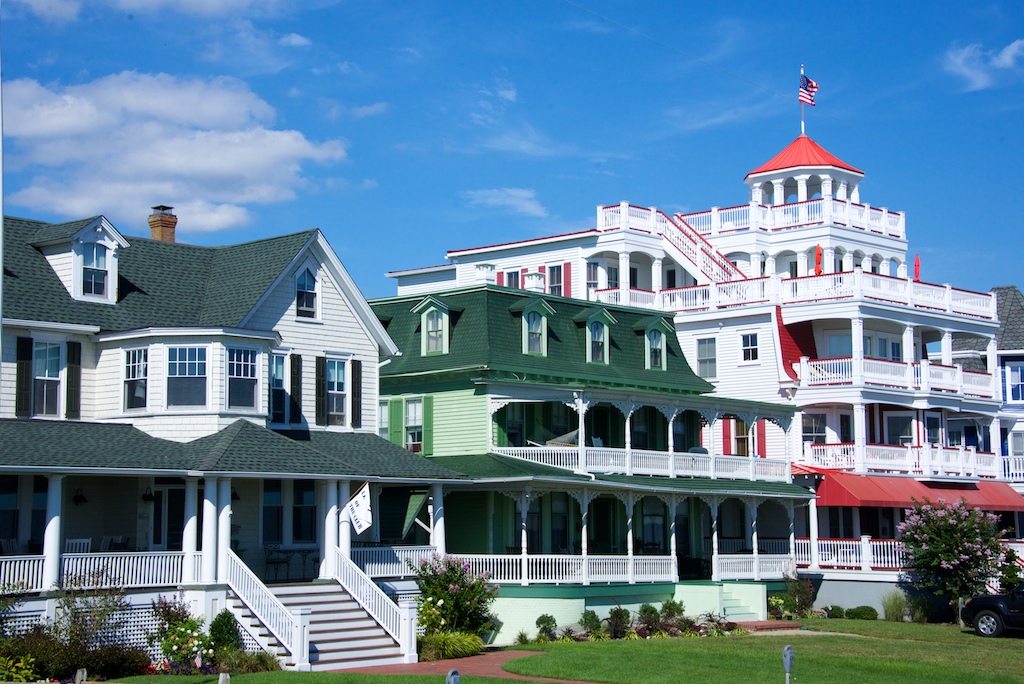
The well kept houses and wonderful beach kept us there for a few days. I dominated the skeeball court while Jason raced the Grand Prix course in Monaco. Our recommended restaurants in the area are Pano Restaurant and Lucky Bones Grill. When it was time to turn the corner towards the Chesapeake and Delaware Bays, we checked the tides and current and set sail.

Read full story  · Comments { 0 }

Goodbye Marina Foot?

Once again, Jason has accused me of getting soft.  And, once again, I replied “Soft is good”. Jason enjoys the tough passage and I enjoy touring a new town.  Jason’s accusation was driven by our recent marina stops. When not anchored in a remote bay, are we really cruising? Our trip south has taught us that there are many styles of cruising.   Two Fish is still figuring out her preferred mix.  As we pulled out of our most recent marina in New Jersey, I was looking forward to the beauty of Chesapeake anchorages.

But first, we had to traverse 50 miles north to reach the Chesapeake and Delaware Canal. When we turned the corner at Cape May, I was a bit concerned when I saw a waterspout in the distance. It didn’t seem like the weather for spouts, but there definitely was some distinctly swirly cloud thing on the horizon. I looked on the radar screen and didn’t see anything. I tried to determine the direction it was moving, and it wasn’t. I asked Jason what he thought. We tried to ignore it. It didn’t go away. Then we heard some boats a few miles up the Delaware Bay chatting on the VHF radio: the waterspout was the smoke stack for the nuclear plant at the top of the bay. Okay. Now I felt better. Sort of.

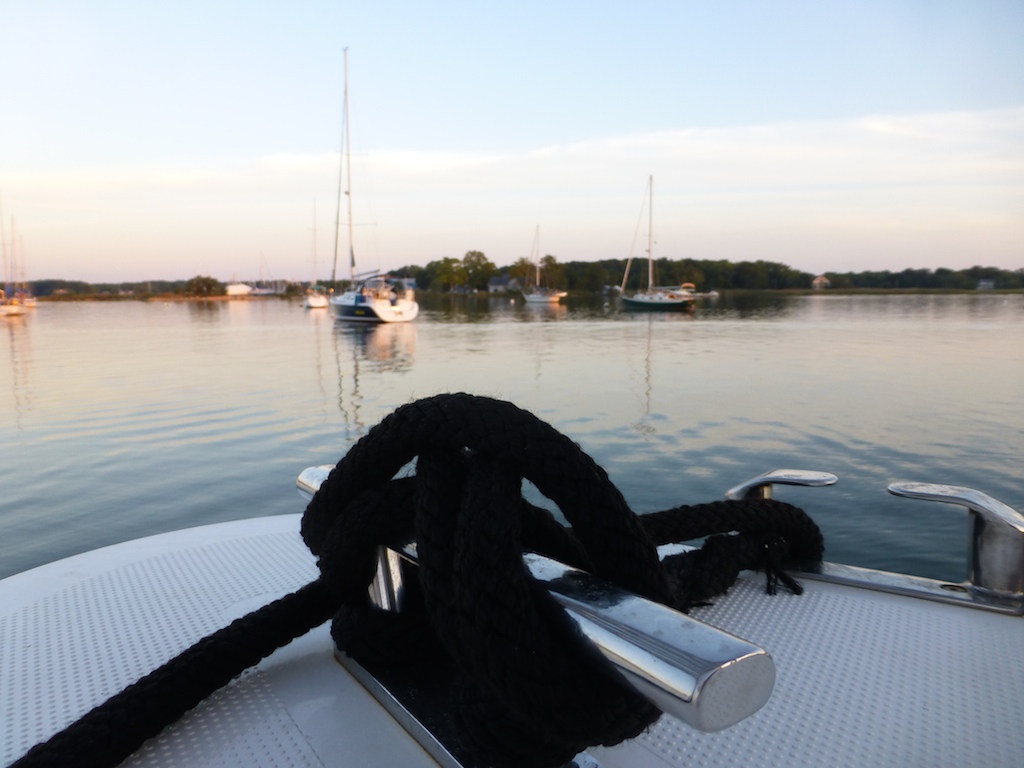
Our first anchorage was at the mouth of the Cohansey River. It was exceptionally quiet; we only saw two boats pass by while we were there. We took One Fish through the many bends of the river and after 6 miles arrived at the town of Greenwich, NJ. There was no wind that night – a perfect spot. We later spoke with other cruisers who had tucked away there in more stormy conditions. After being abused by short waves and terrorized by hidden crab pots, they did not describe the spot with the same superlatives.

The next morning, we headed towards the Chesapeake & Delaware (C&D) Canal. Eager to catch the current, we timed our arrival carefully. Unfortunately, both MaxSea and Eldridge were wrong on the direction and strength of the tidal current. The error seemed hard to explain since there had been little wind or rain, the usual causes of changes to tidal currents. We heard other boats on the VHF being surprised as well.  We motored more than we sailed because of the light winds. I have been surprised by the amount that we run the motors.   Light air is not bad news for me, as I prefer motoring in flat seas to 30 knots and boat-shaking waves.  Jason will never succeed in changing my mind, but I do enjoy seeing his enthusiasm for the big breeze days.  Our division of helm time is very wind dependent.   As the breeze drops my appearances at the helm become more fleeting.   I am ready to help if Jason needs a hand tucking in a reef, but generally he is okay alone on deck.  I feel much better in the safety of the master cabin.

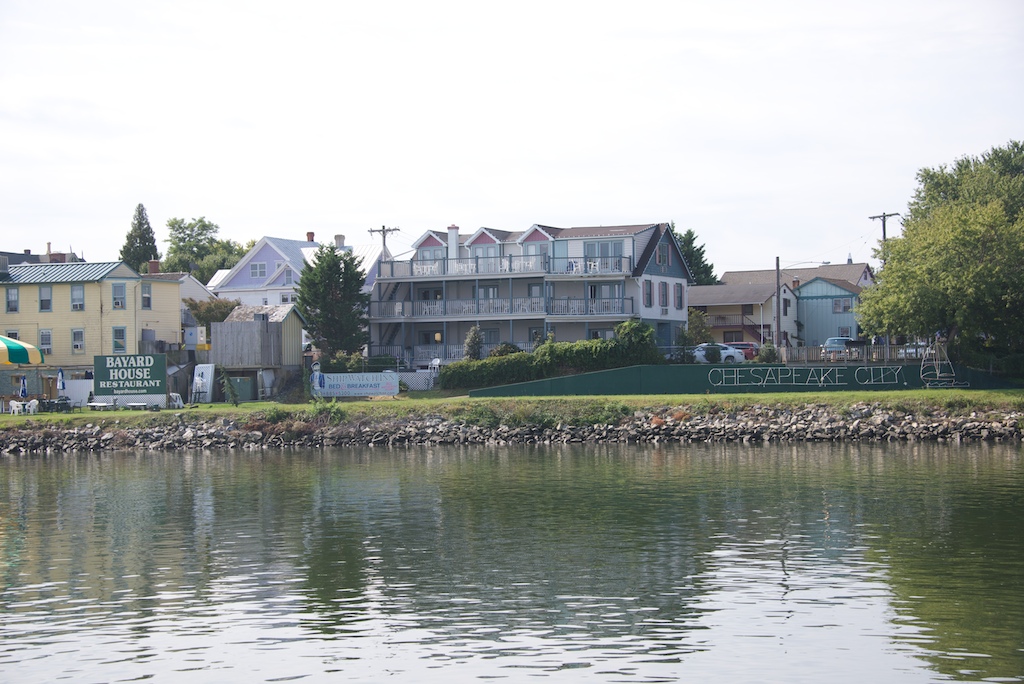
We were excited to pass Chesapeake City – Mile Zero of the Chesapeake.  Our New England cruise was now in the rear view mirror and we were about to explore places we had never properly visited.

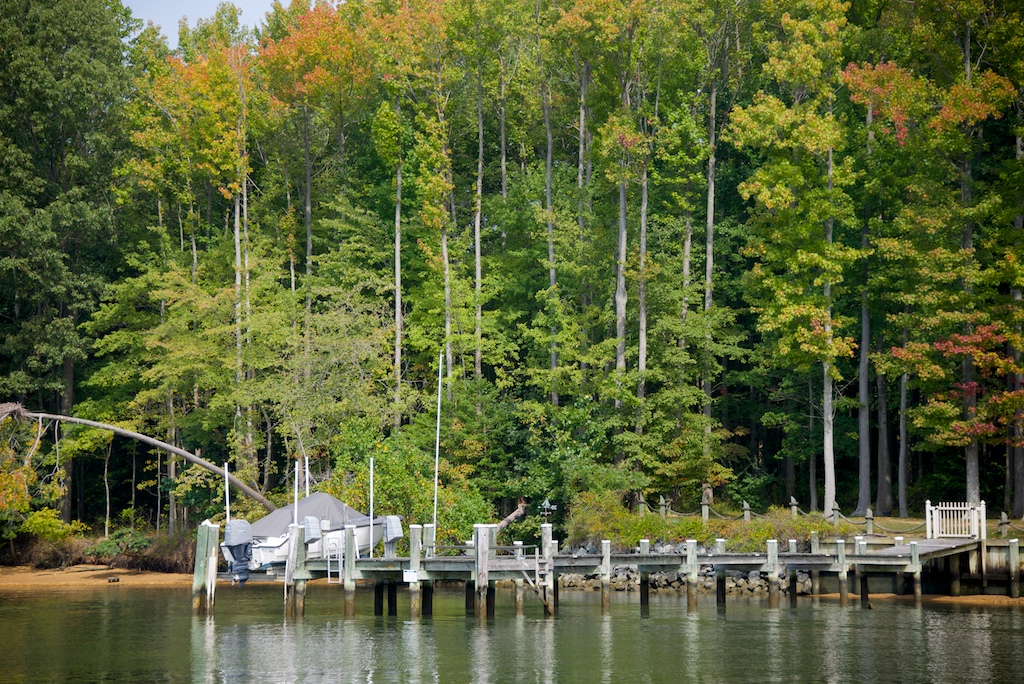
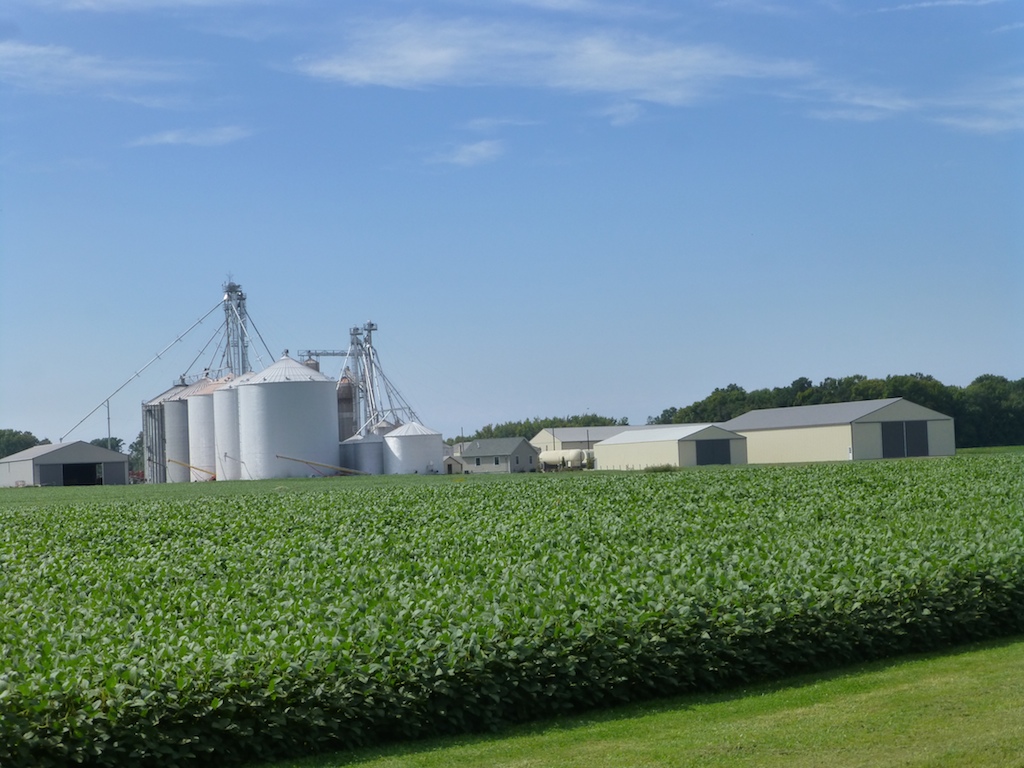
We found a wonderful anchorage in the Sassafras river – no root beer. Once again, we buzzed up river on One Fish to explore.  The walk was a bit of a flop, as we walked a major rural route with large trucks and soy bean field vistas.  We did discover The Granary in Georgetown.  It was here that I broke my crab cake ban.   The ban is a failed attempt to reduce the crab pot population.  I have previously complained about lobster pots but the Maryland Crabber has much to learn from the Maine Lobsterman.  The Crabman’s buoys, used to mark his pots, are often faded and dirty and thus look black against the dark sea.   The Maine Lobsterman has more pride in his work, and keeps his buoys clean and brightly painted.   These infestations of crab pots encourage Two Fish to sail on the edges of the main shipping channel.   I have to confess I like both lobsters and crabs, so my boycott is doomed to failure.

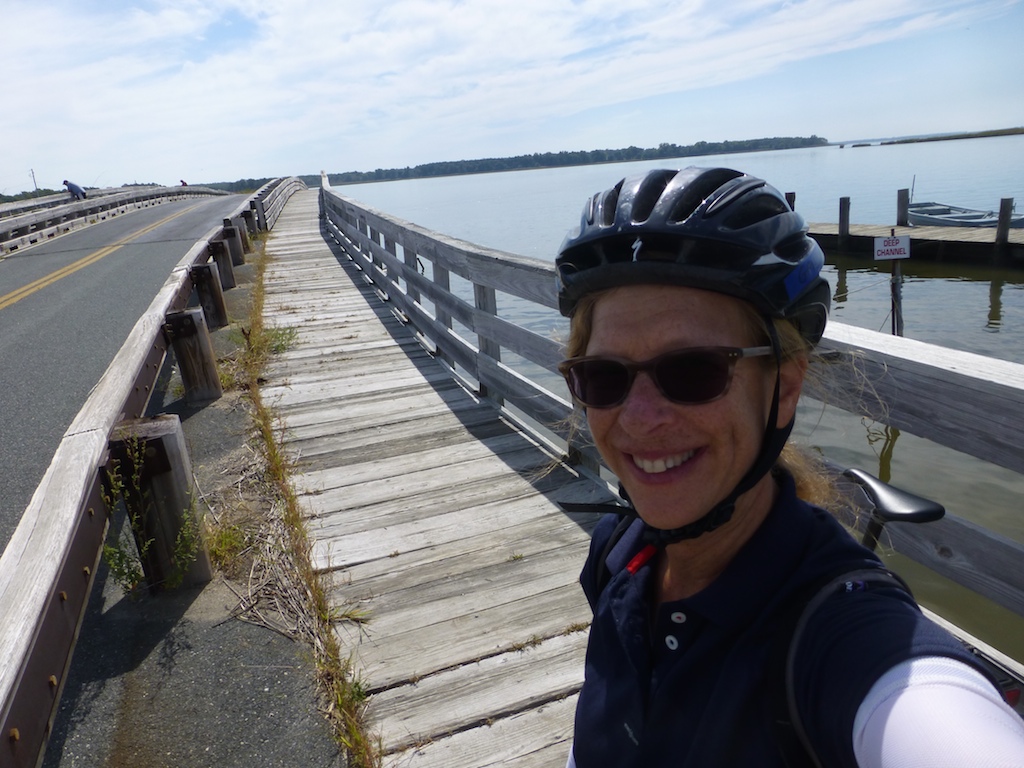
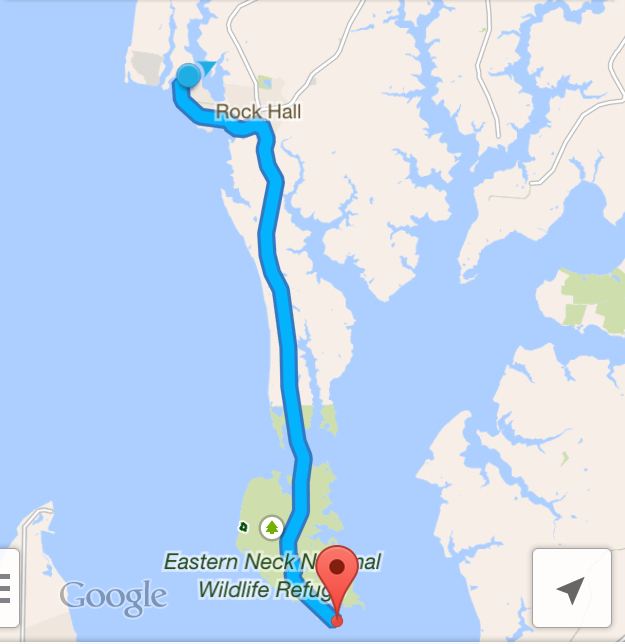
Our next stop was Swan Creek, adjacent to the famous crab town of Rock Hall. We grabbed a mooring ball right next to the channel so were able to watch the parade of boats enter and exit the area. I rode my bike to Eastern Neck – a local fishing bridge. Judging from the empty buckets, I think there might have been a bit more gabbing than fishing.

Bicycle Ride

Bicycle Ride

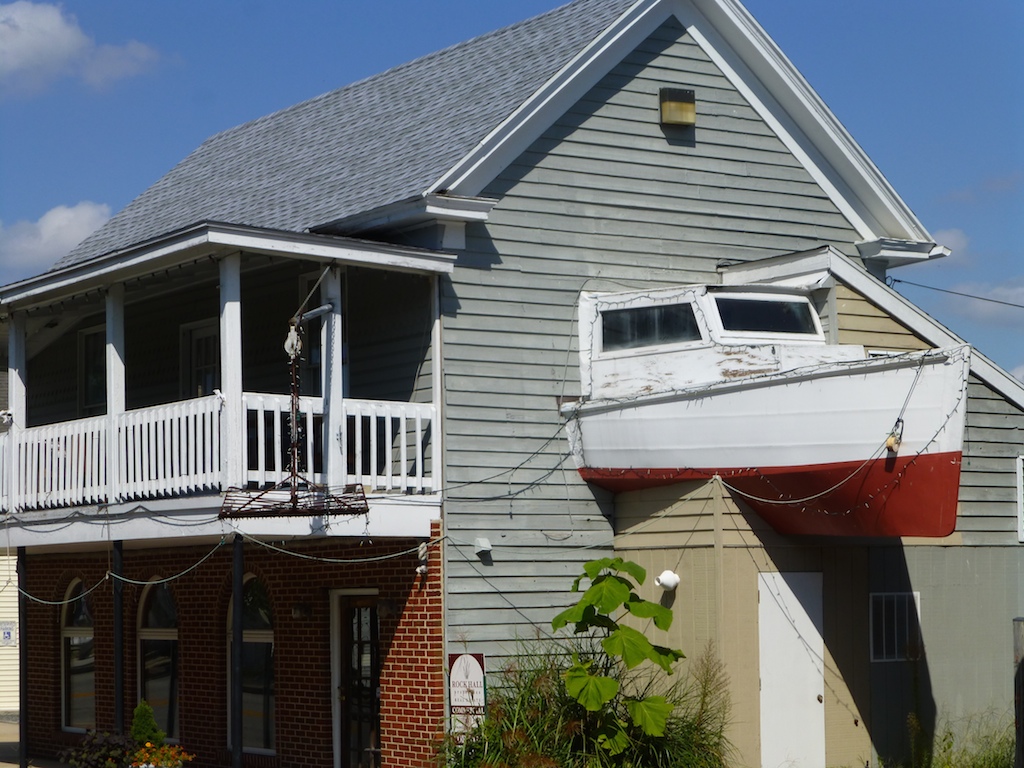
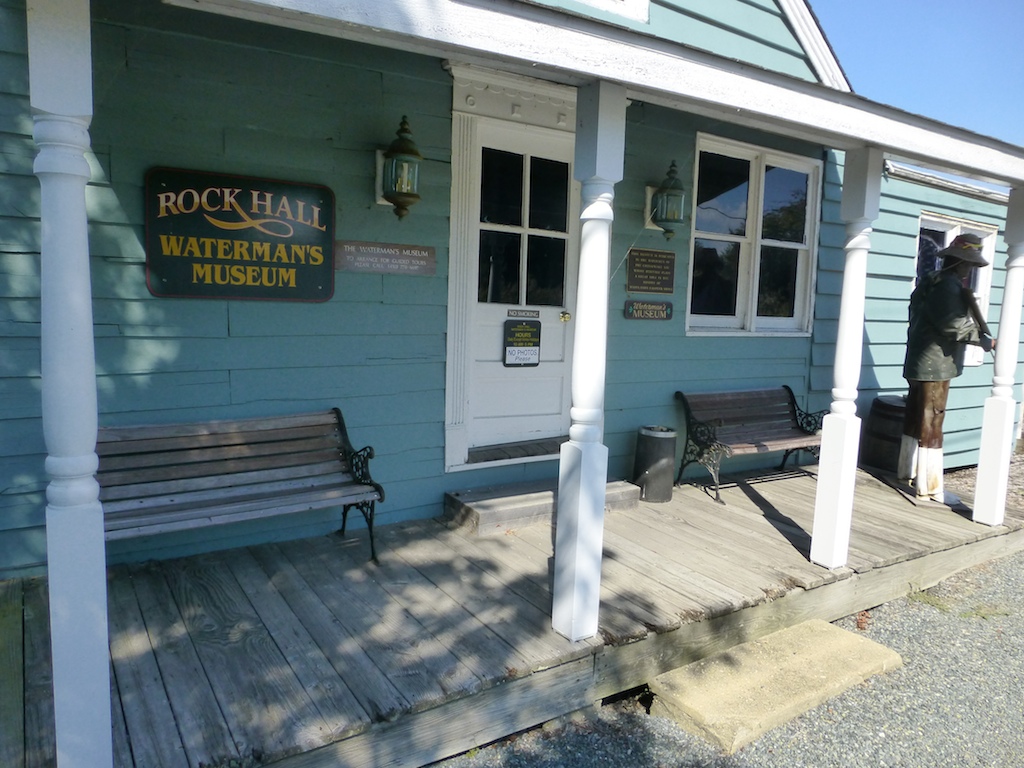
It was a short walk to Rock Hall; unfortunately, the Watermen’s museum was in mothballs but we had a

Ice Buoy

Ice Buoy

good meal at The Kitchen at Rock Hall. Other off-boat meals were at the local Harbor Shack, which on a Sunday afternoon is filled with fans dressed in full Baltimore Raven gear. Fortunately, they were not playing the Eagles that week. (Yes, I realize they are in a different conference. Reminder: I should check my fantasy football lineup for this week).

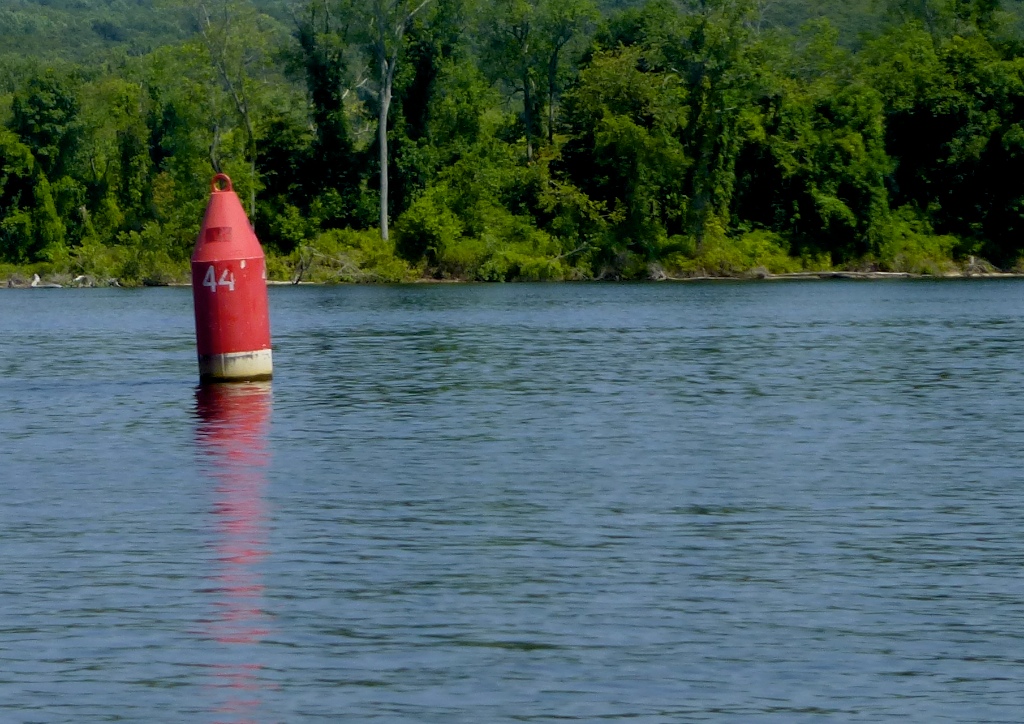
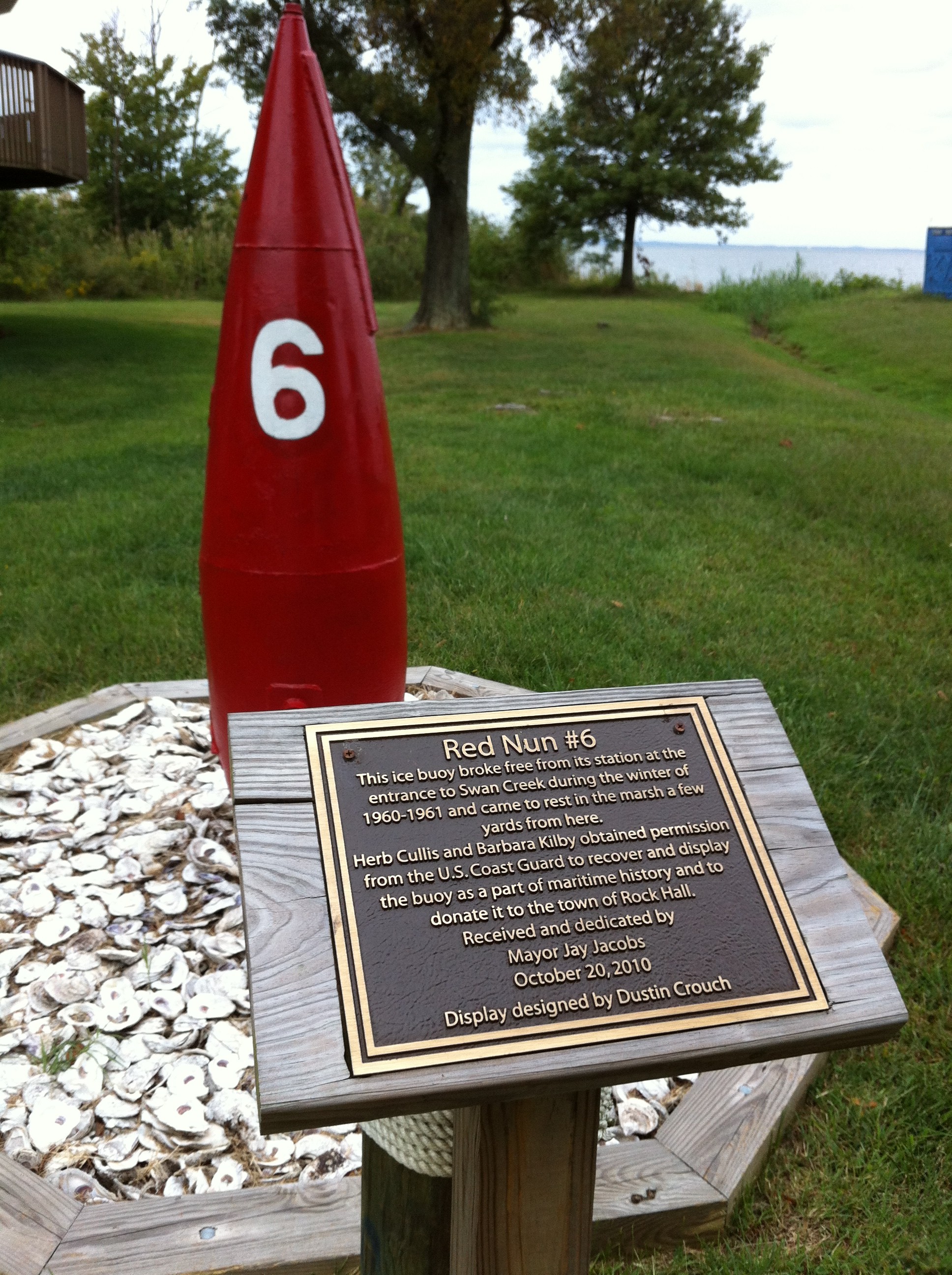
The ice buoy in the photo was a new navigation aid for me. I learned that many aids to navigation are picked up by the Coast Guard during the winter but some important locations are marked by Ice Buoys. These are conical buoys that are harder to see but are less likely to be damaged by ice.

Next stop: Baltimore.

11rockhall 1

Read full story  · Comments { 1 }